

-
Francesco Vezzoli, Musei delle Lacrime – Installation view
-
Francesco Vezzoli, Musei delle Lacrime – Installation view
-
Francesco Vezzoli, Musei delle Lacrime – Installation view
-
Francesco Vezzoli, Musei delle Lacrime – Installation view
-
Francesco Vezzoli, Musei delle Lacrime – Installation view
-
Francesco Vezzoli, Musei delle Lacrime – Installation view
-
Francesco Vezzoli, Musei delle Lacrime – Installation view
-
Francesco Vezzoli, Musei delle Lacrime – Installation view
-
Francesco Vezzoli, Musei delle Lacrime – Installation view
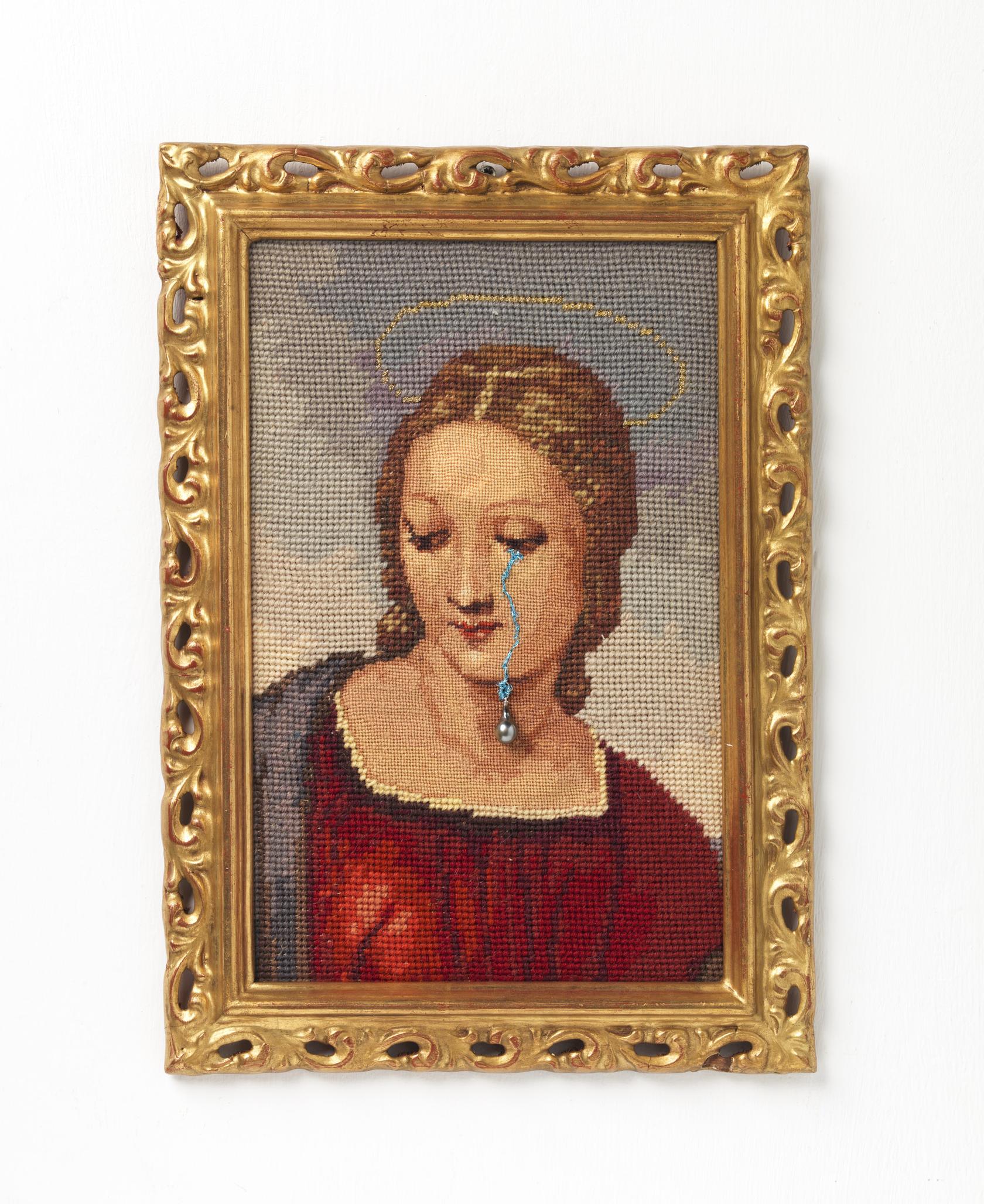
-
Francesco Vezzoli, Musei delle Lacrime – Installation view
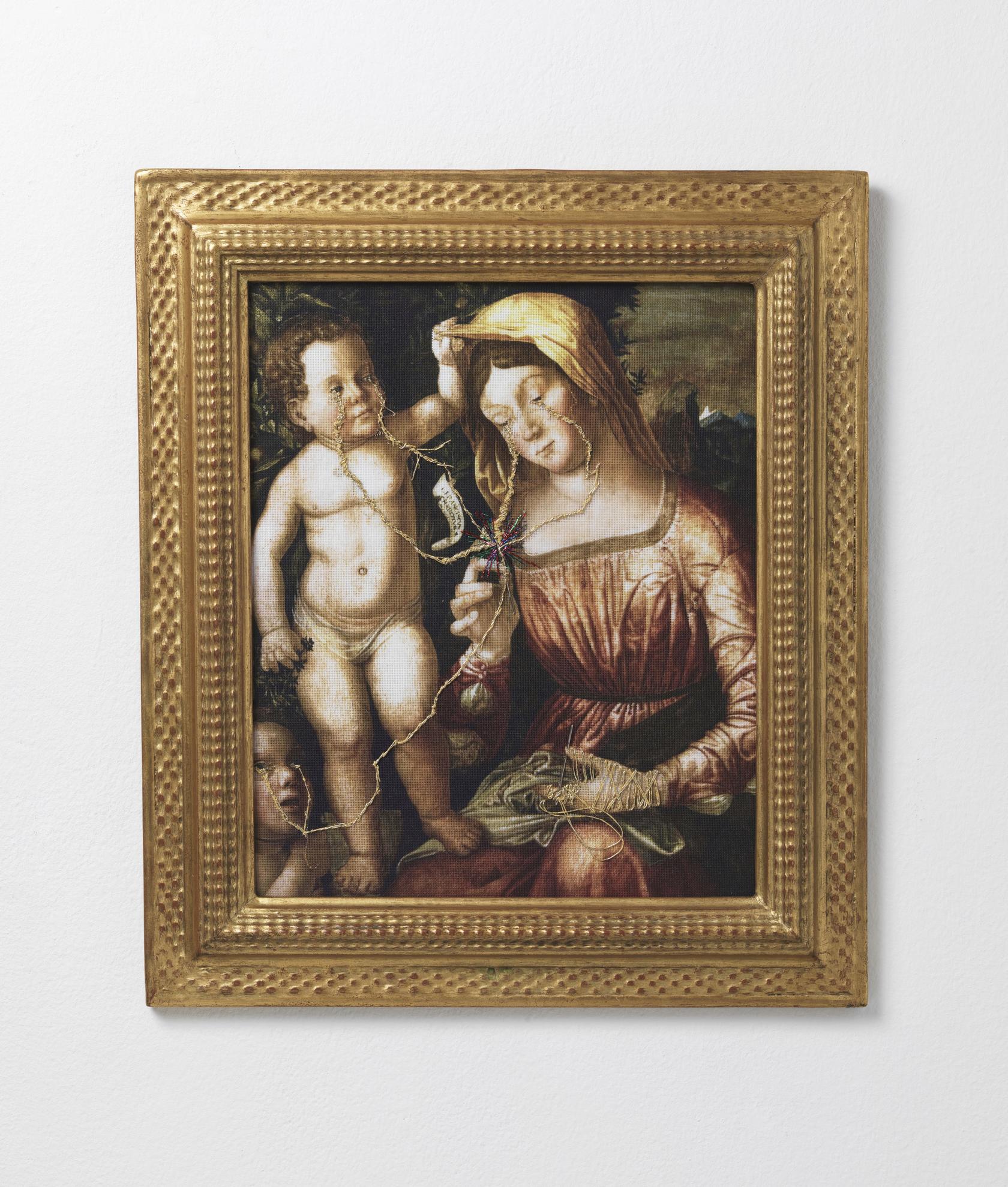
-
Francesco Vezzoli, Musei delle Lacrime – Installation view
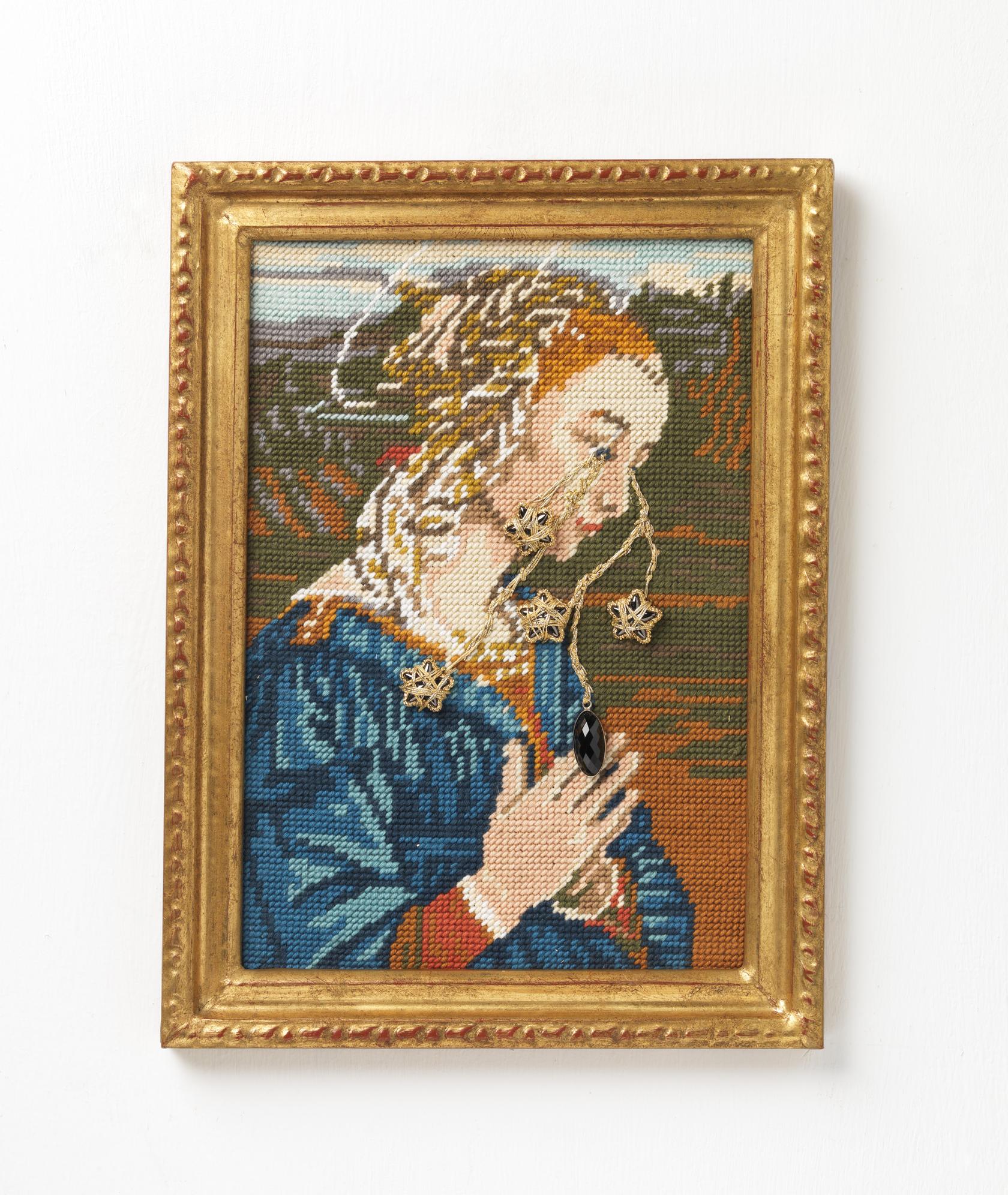
-
Francesco Vezzoli, Musei delle Lacrime – Installation view
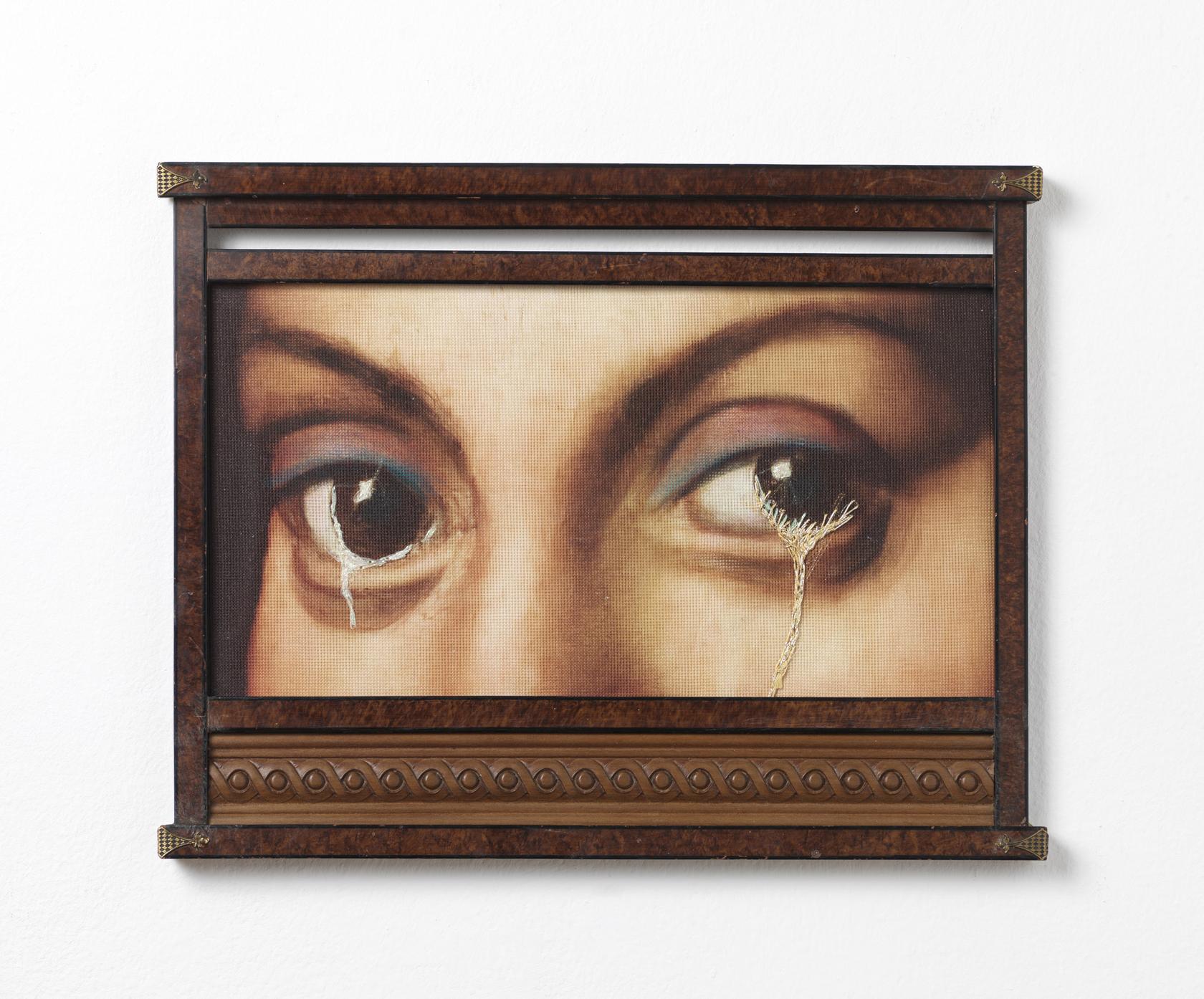
-
Francesco Vezzoli, Musei delle Lacrime – Installation view
-
Francesco Vezzoli, Musei delle Lacrime – Installation view
-
Francesco Vezzoli, Musei delle Lacrime – Installation view
-
Francesco Vezzoli, Musei delle Lacrime – Installation view
-
Francesco Vezzoli, Musei delle Lacrime – Installation view
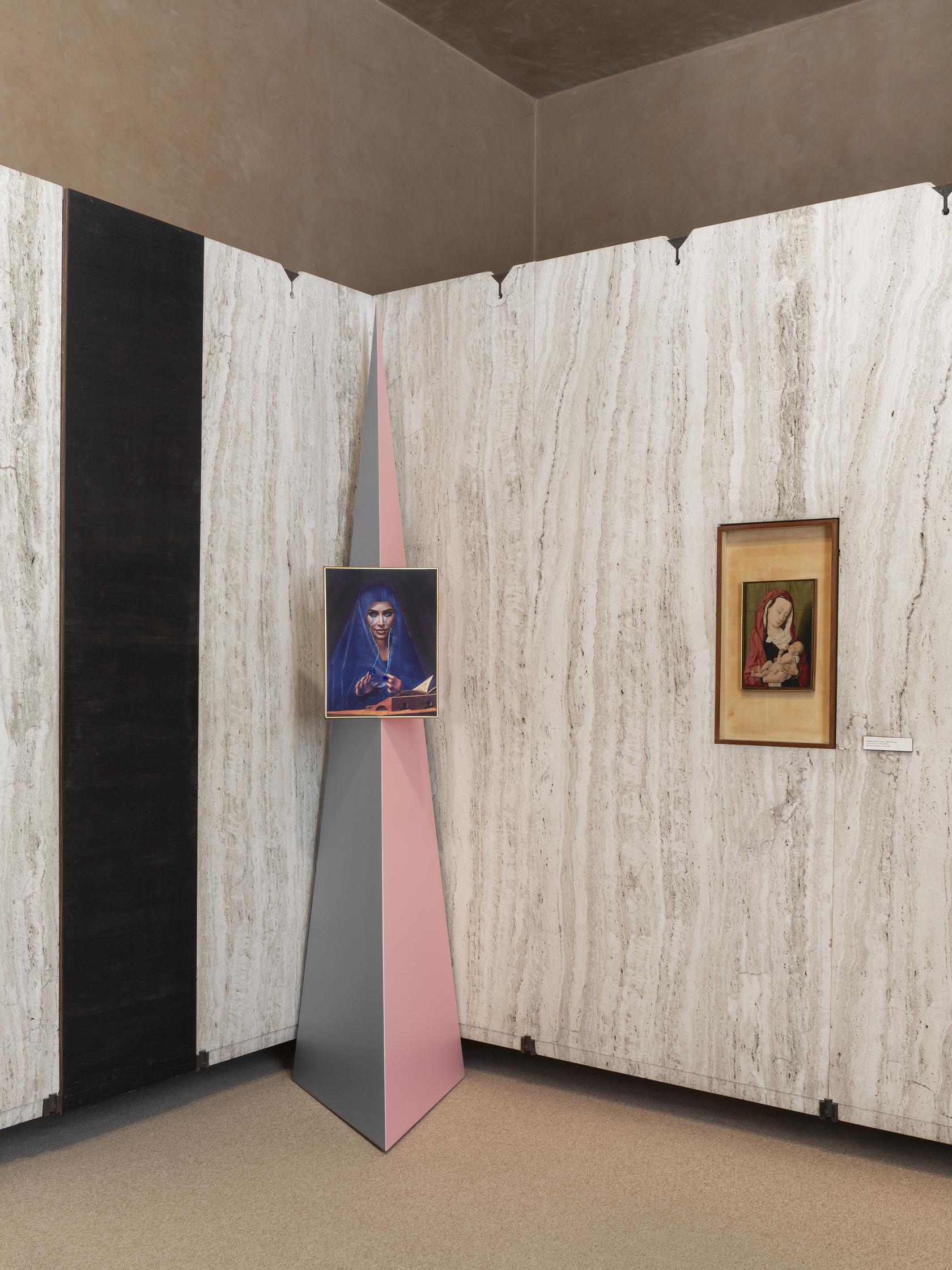
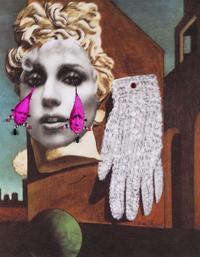

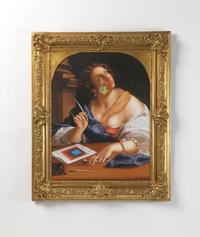
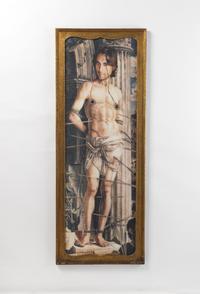
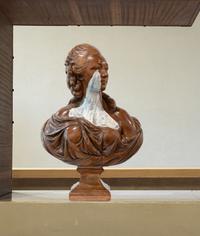
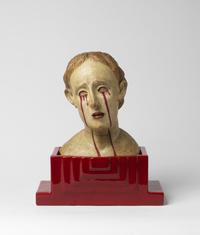
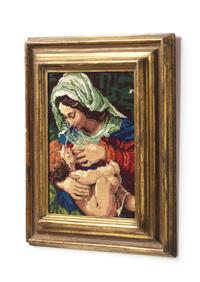

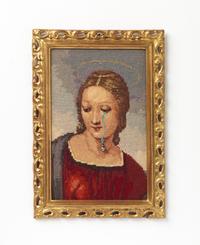
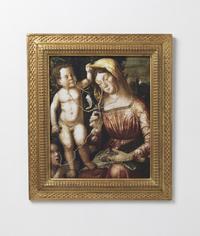
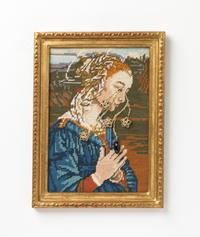
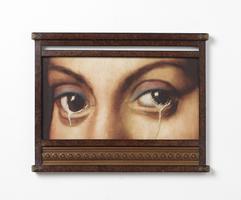
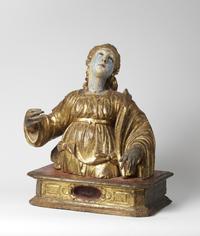
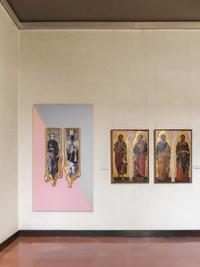
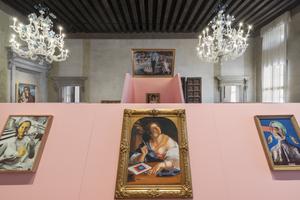
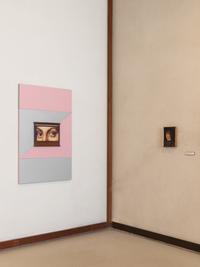
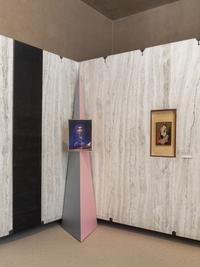
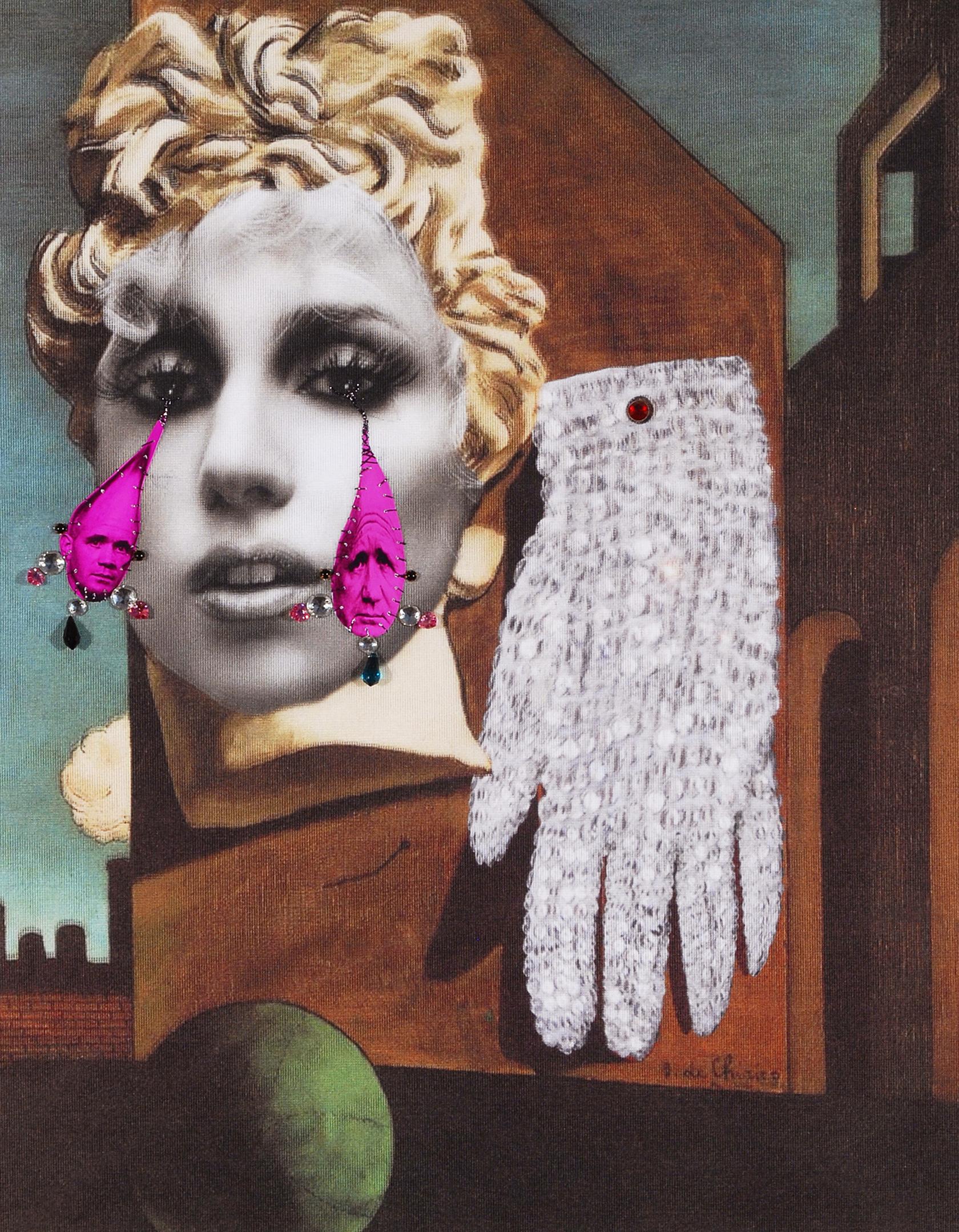
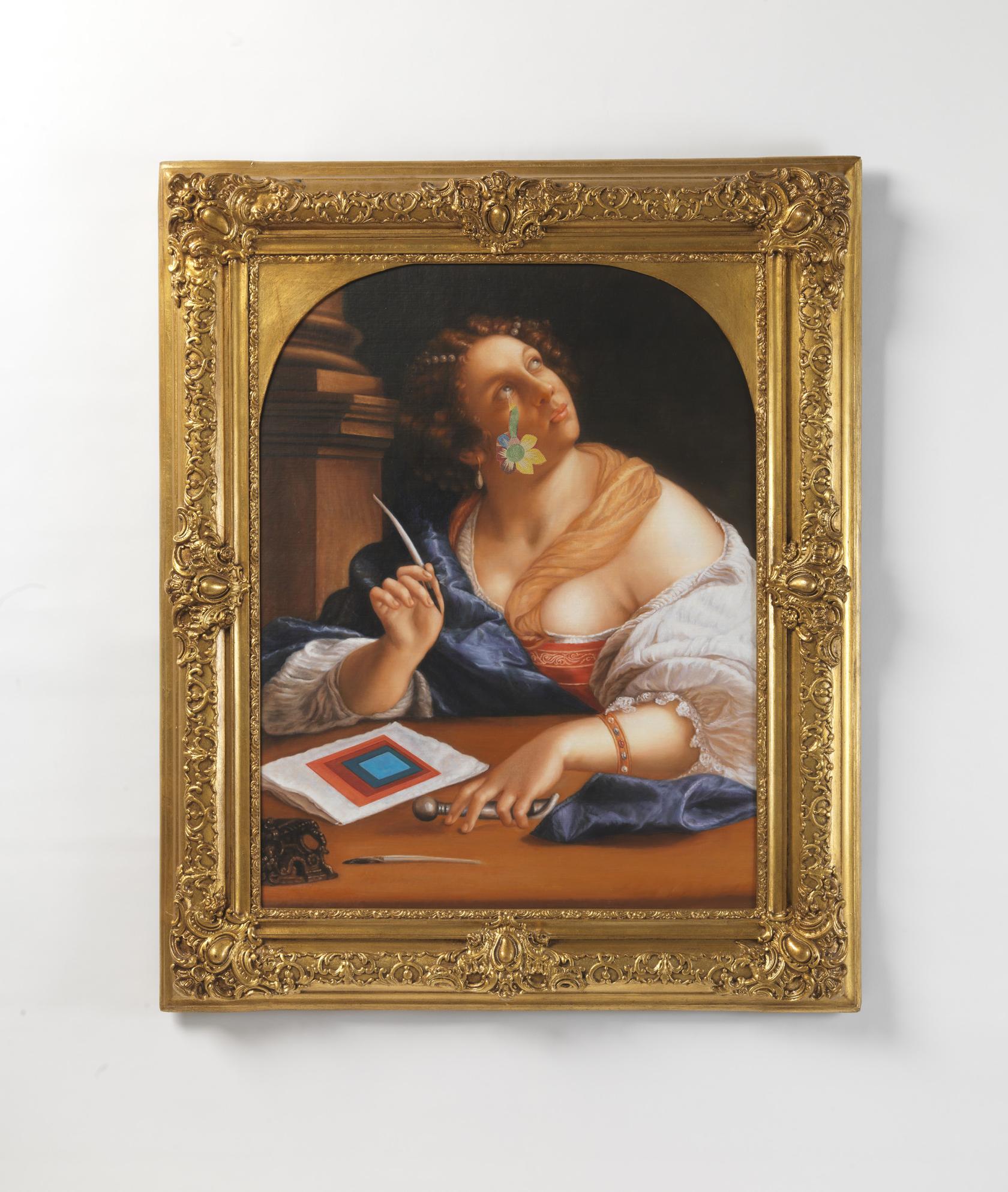
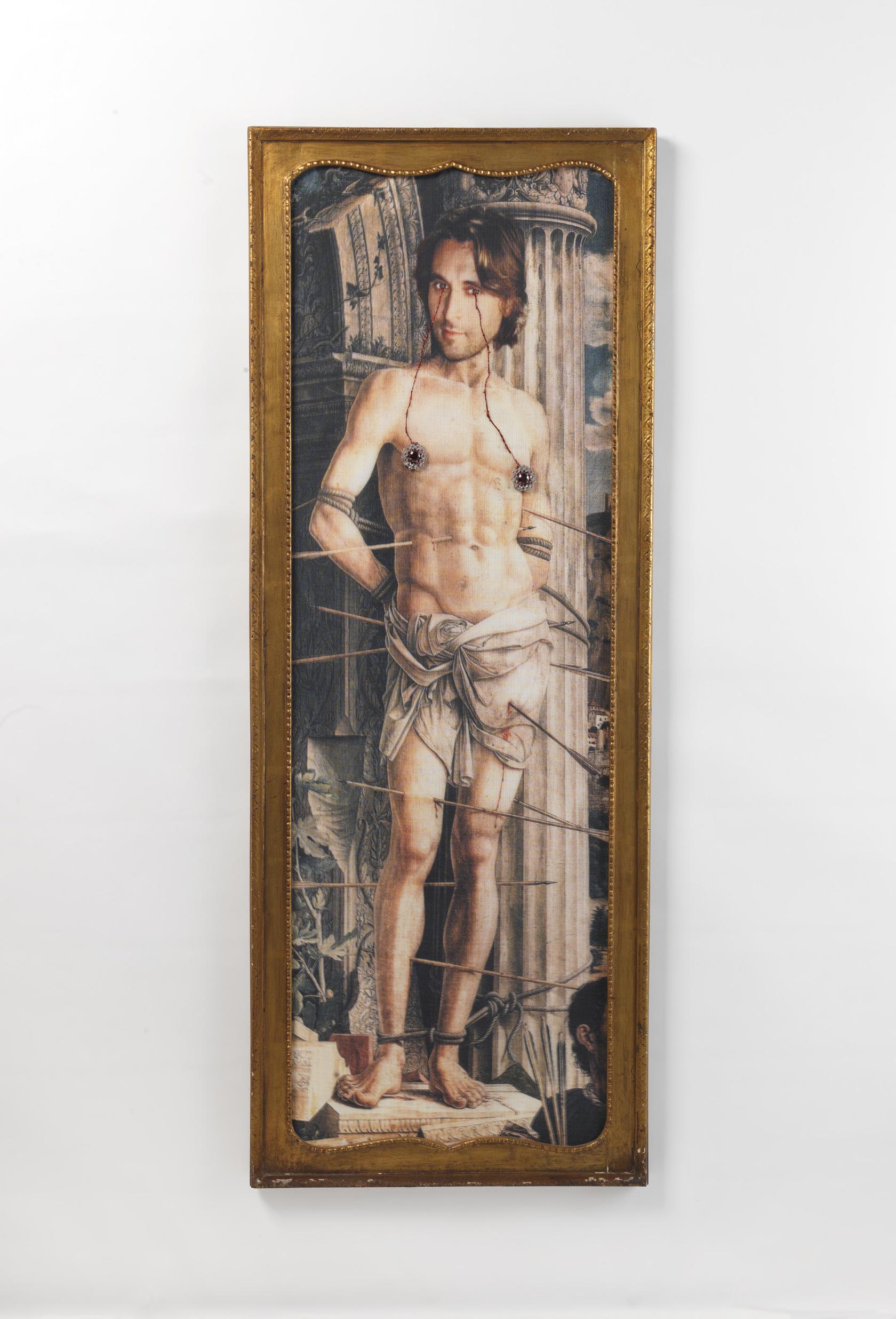
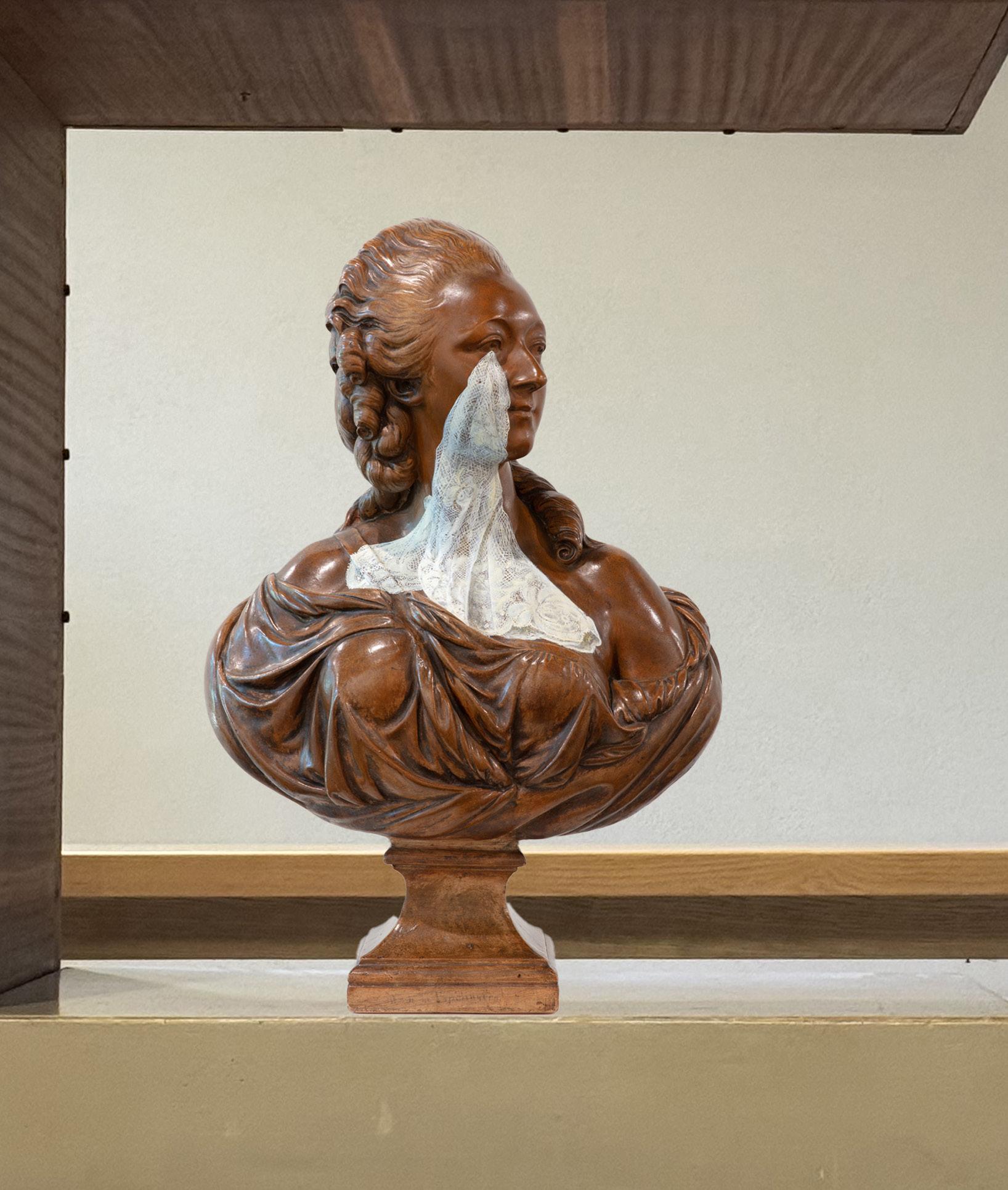
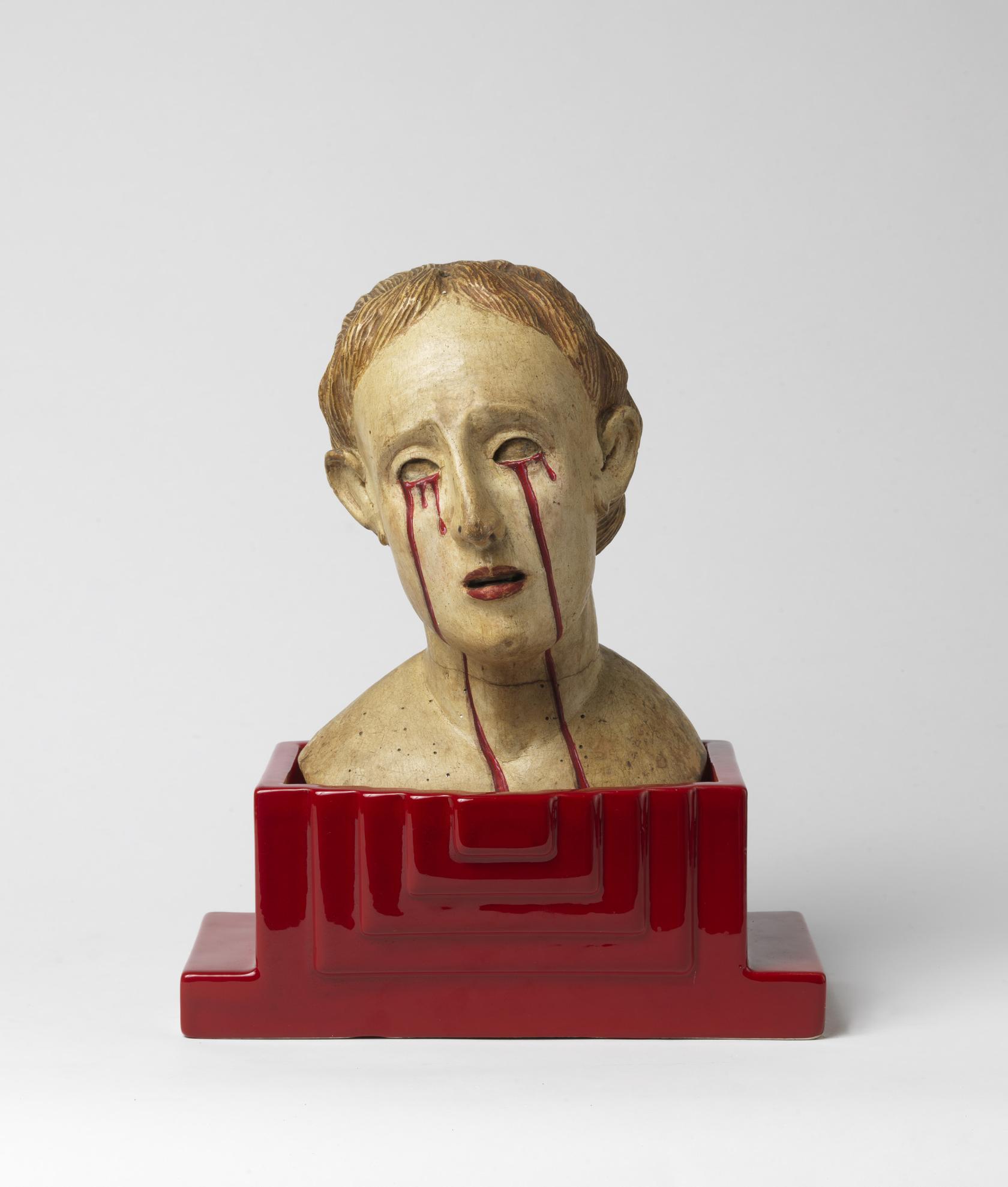
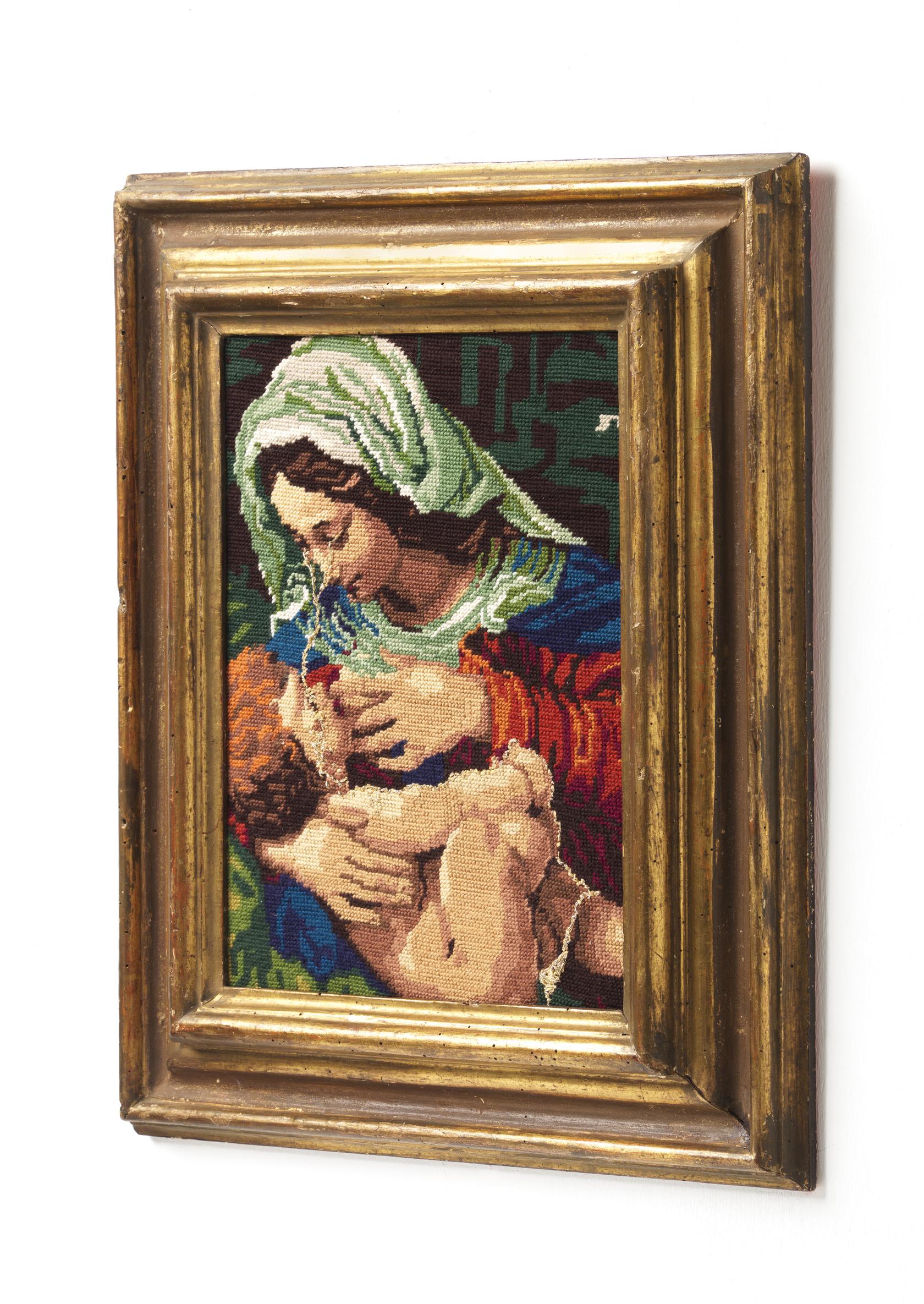
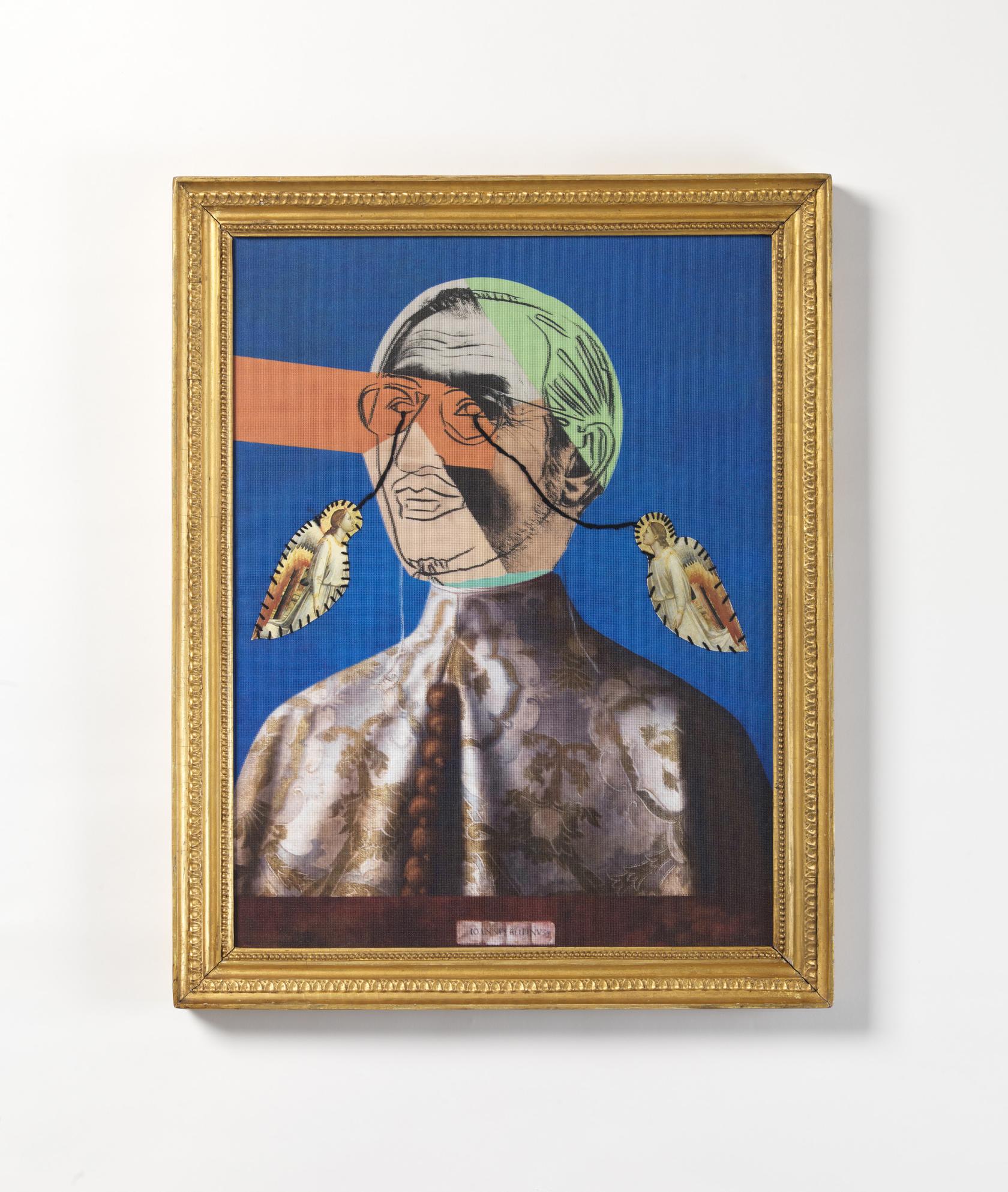
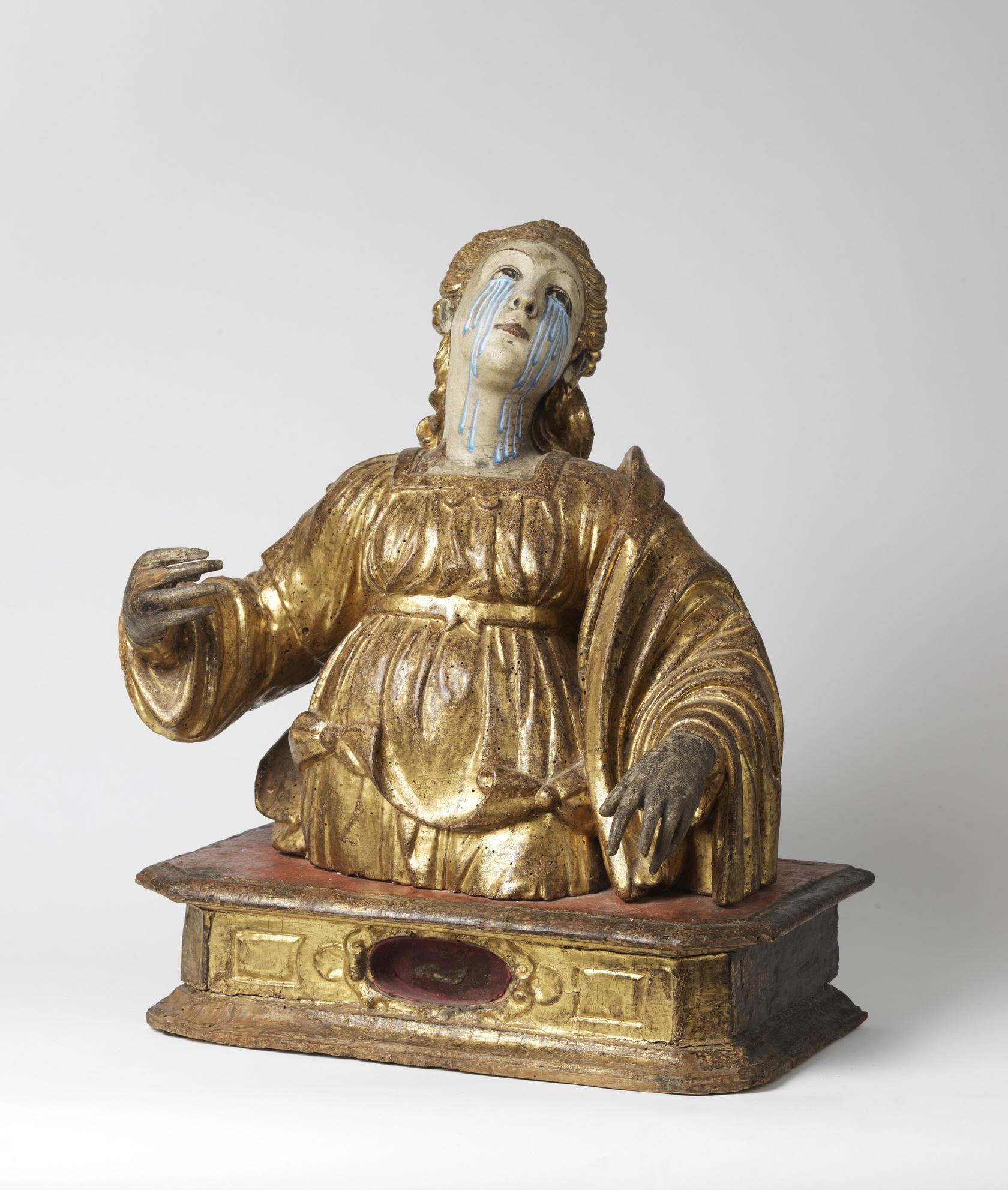
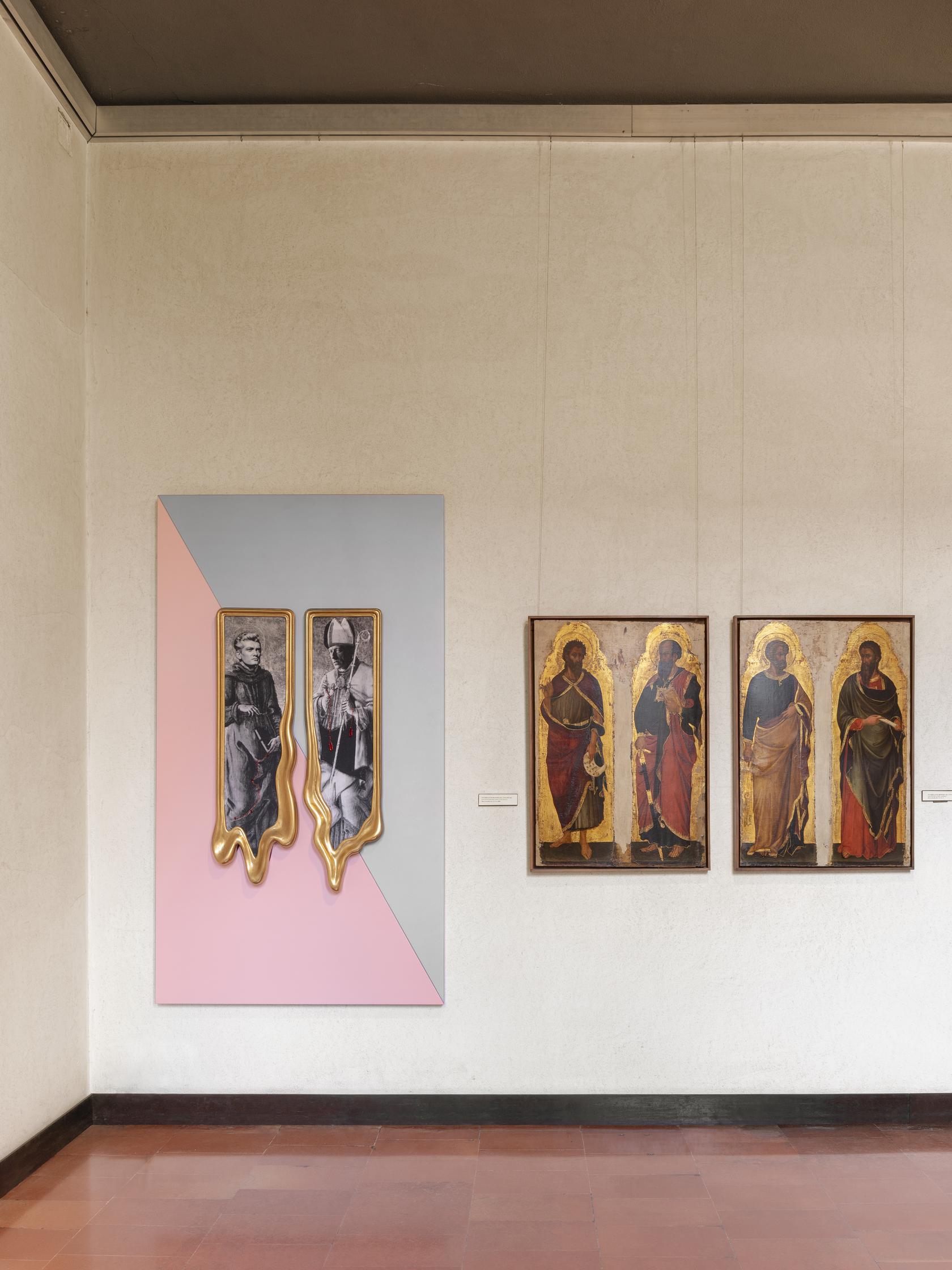
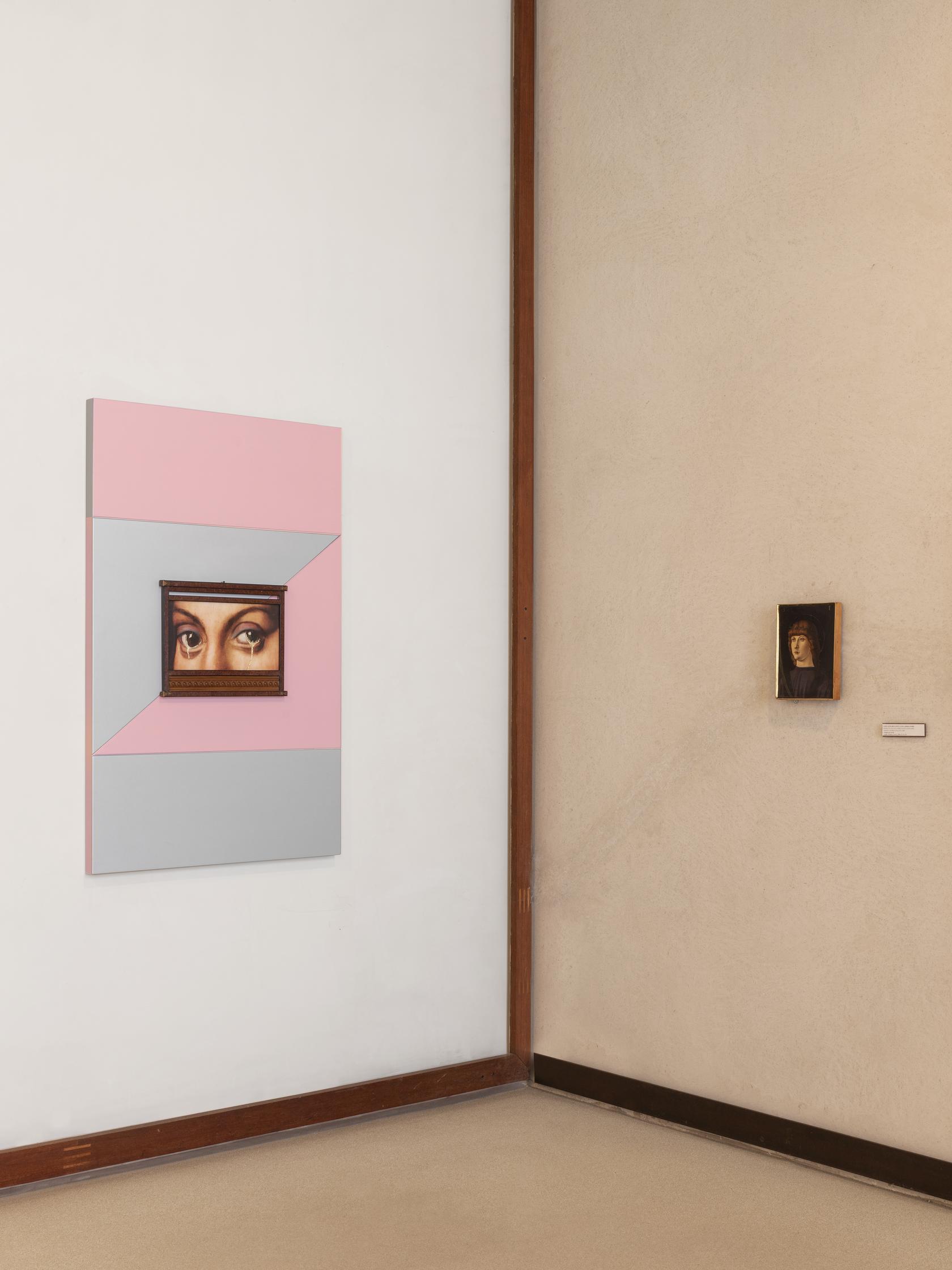
Over the last decade Francesco Vezzoli has deepened his artistic research which has brought him to the creation of a bridge between the reality we inhabit and art history, mainly directing his poetic towards antiquity in its most solemn and sacralized expressions. Through different media such as video, artistic performance and his typical portaits with embroided tears, Vezzoli tried to connect the past and its icons to the contemporary imagination, juggling between diverse languages in a game of references and mixtures between the classical culture, somber, eternal, and pop culture.
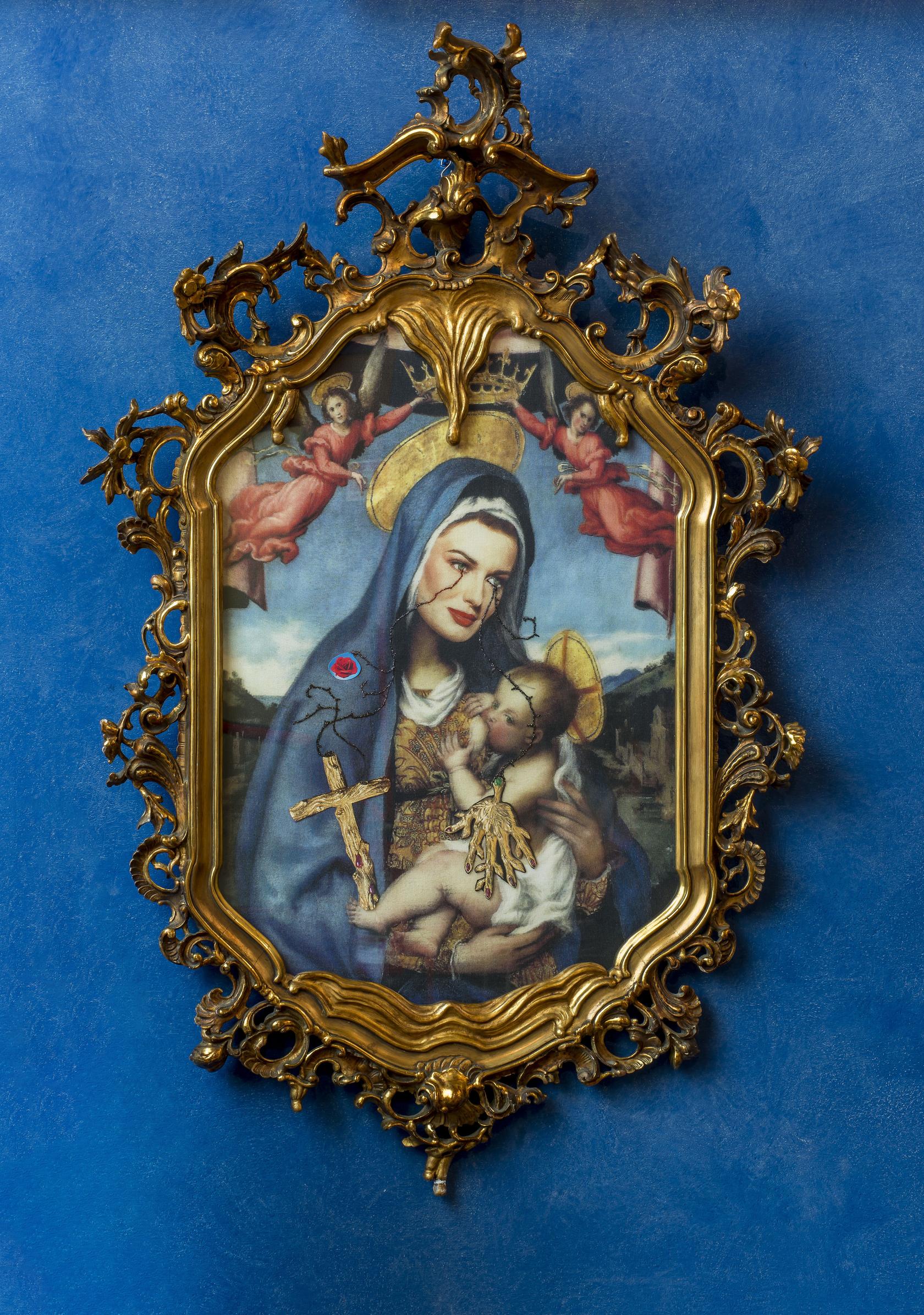
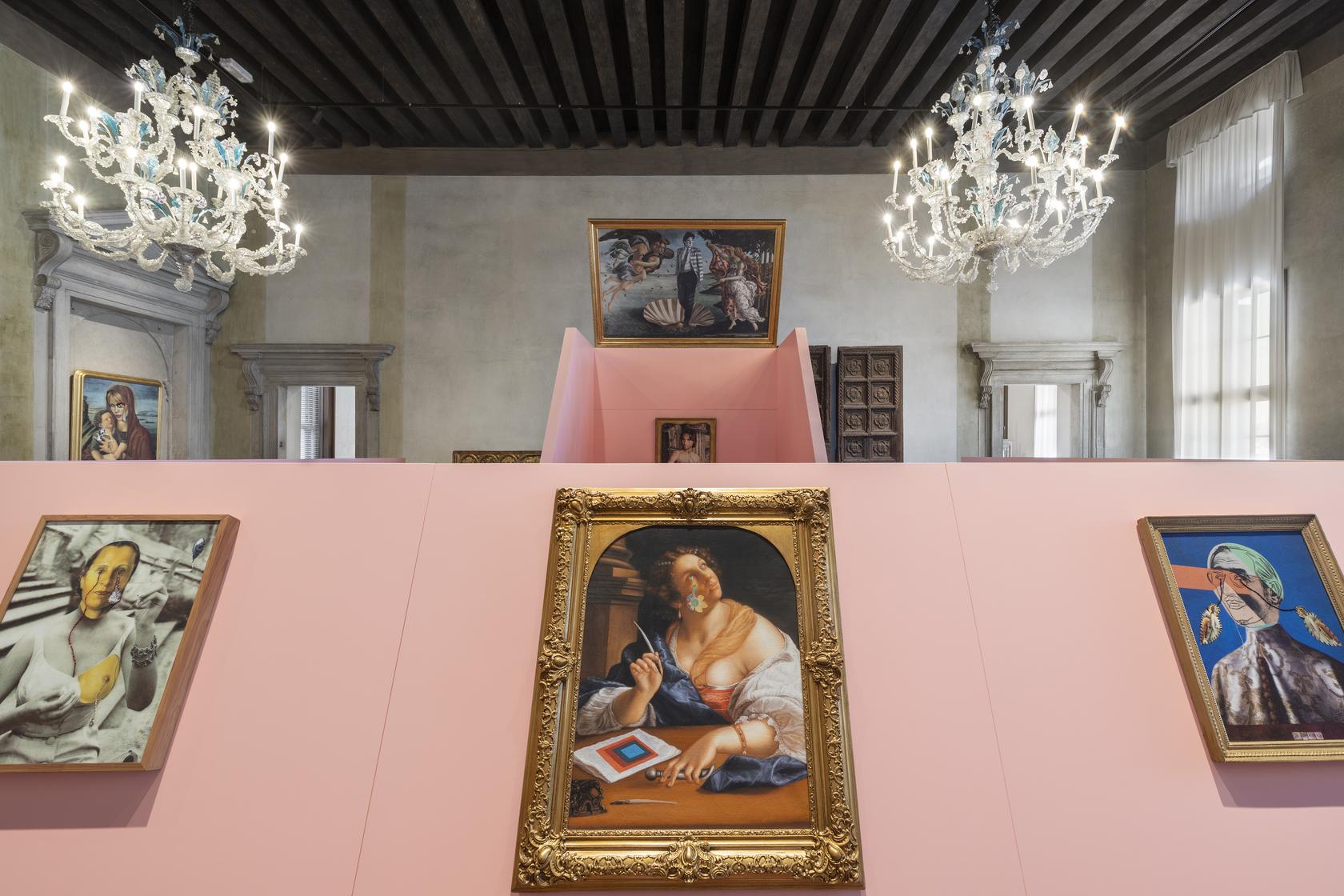
In 2011, for the first time, Vezzoli brought his vision to New York with the solo show Sacrilegio, during which he transformed the premises of the Gagosian Gallery in Chelsea in a Renaissance chapel, exhibiting his personal reinterpretation of some of the most renowned Italian paintings from the 14th century featuring Madonna and Child. Instead of the Virgin's hieratic faces painted by Leonardo, Botticelli e Bellini, Vezzoli introduced the secular and sensual ones of the most famous top models of the Eighties and Nineties, such as Claudia Schiffer, Linda Evangelista, Stephanie Seymour and Cindy Crawford, decorating them with make-up, jewels and big embroidered tears.
At a later time, in a solo show hosted at the Lambert Collection of Avignon (2019), Vezzoli created a poetic dialogue among his own sculptures and Cy Twombly's most celebrated works inspired from the roman antiquity.
In the following years, for the first time in his artistic practice, he decided to grapple with the introduction of his works into archeologic sites, as he did with the exhibition Palcoscenici Archeologici, produced with Fondazione Brescia Musei. In 2021, with the project Francesco Vezzoli in Florence, he made two new site-specific sculptures. In Piazza della Signoria, in the work Pietà, a monumental 20th century rampant lion installed on an antique pedestal is grinding a roman head from the 2nd century A.D., in a pastiche among different artistic epochs which became the distinguishing trait of many of Vezzoli's recent works. The second sculpture, La Musa Dell'Archeologia piange, positioned inside Francesco I de' Medici's studiolo in Palazzo Vecchio, grafts on a togated roman figure a "metaphysical" bronze head, a quotation of Giorgio de Chirico's Archeologi, one of the works which best represent the rehabilitation of classicism in modern times.
The idea of a new project for the city of Venice arrives as the natural continuation e completion of this long discourse made of archeology, memory and contemporary imagination, further deepened in the recent solo show Vita dulcis. Paura e desiderio nell'Impero romano (Palazzo delle Esposizioni, Roma, 2023). Together with Donatien Grau, Francesco Vezzoli has conceived the exhibition titled Musei delle Lacrime, within which his works (historical, recent and some produced in this occasion) will flank the masterpieces of Museo Correr's collection, with the intent of sparking a dialogue and a new narrative where Art History, instead of an immutable model, is presented as a subject that is modern and alive in the present; finding in the hybridization of themes and iconographies- especially religious themed ones - of other epochs the cause for artistic reflection on topics such as the cult of identity, authorship, emotionality and on how to live the past without neglecting or erasing it. Conceived precisely for Venice, the city of art par excellence (eternal but eternally in renewal), the project is also meant as an homage to Carlo Scarpa and his work on the city's historical and artistic identity and, in particular on venetian museums. An homage which is first of all conceptual, and extended to the installation elements, with the intention of creating a series of esthetic-linguistic superimpositions which can heighten the mold of the tradition, celebrating their trascendental power.