

-
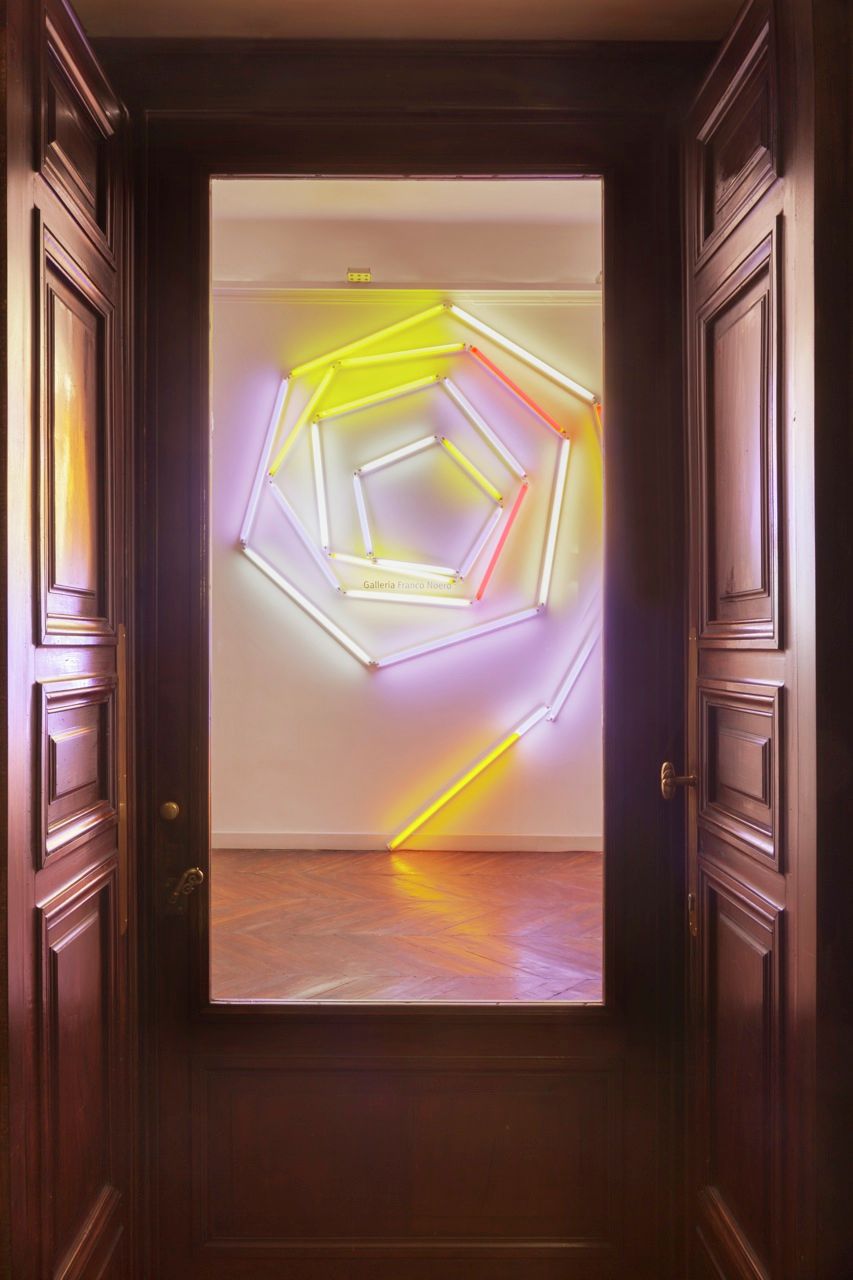
Mark Handforth, After Nature – Installation view
-
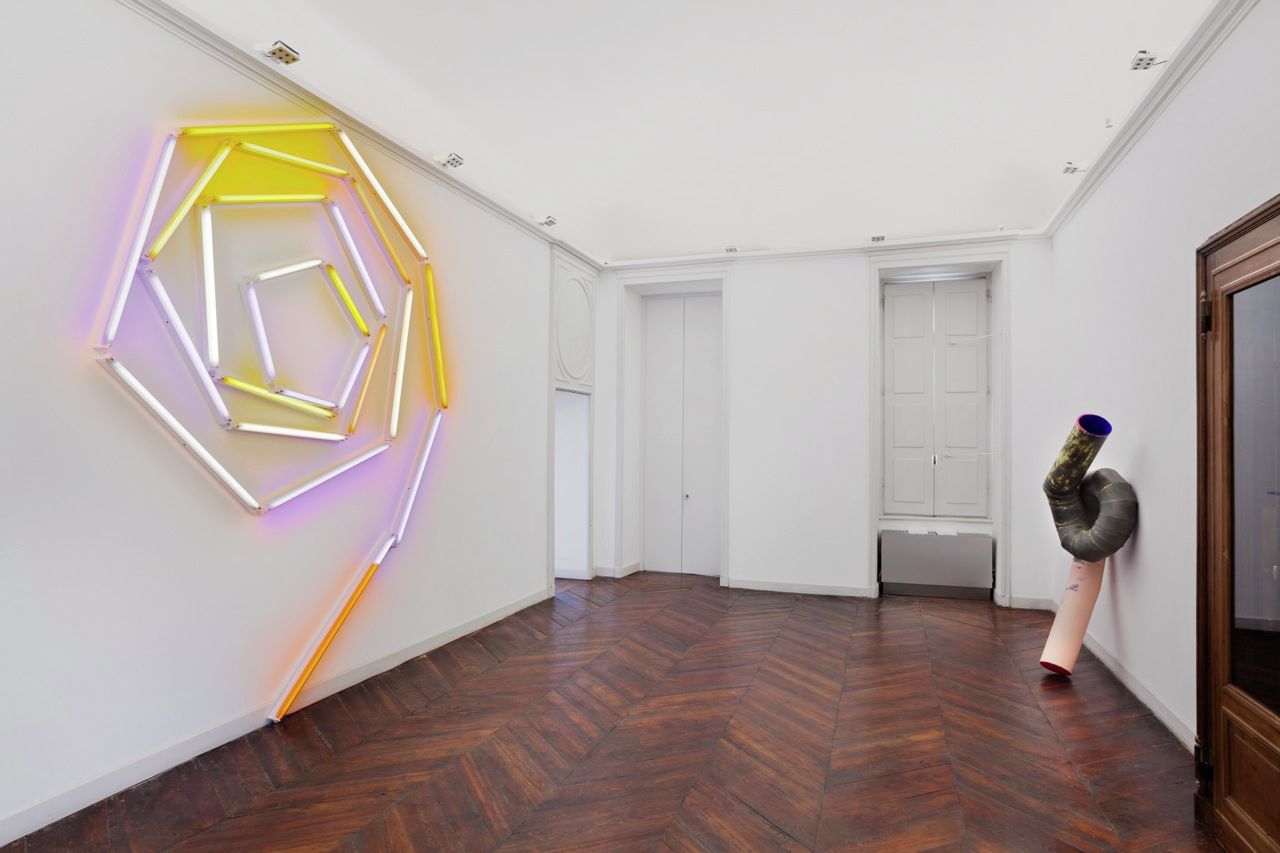
Mark Handforth, After Nature – Installation view
-
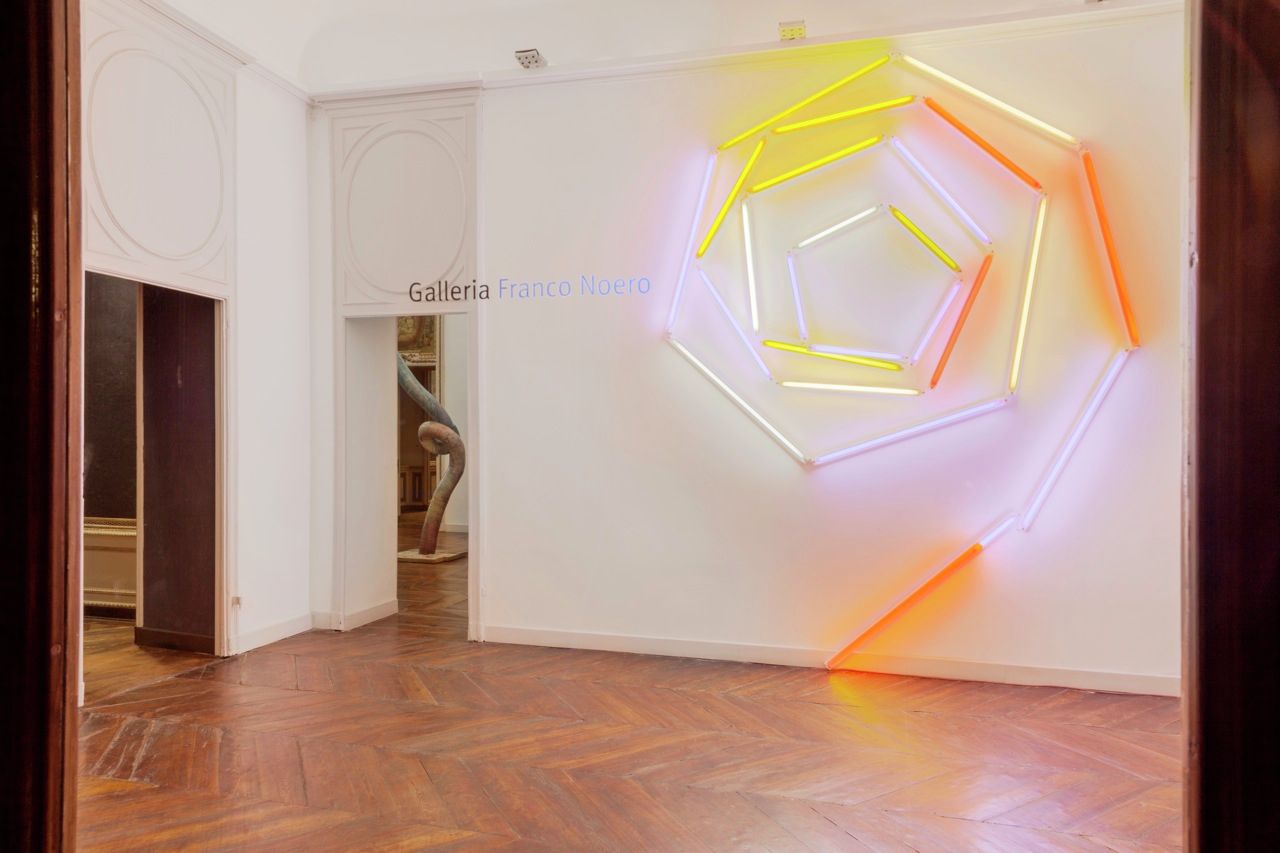
Mark Handforth, After Nature – Installation view
-
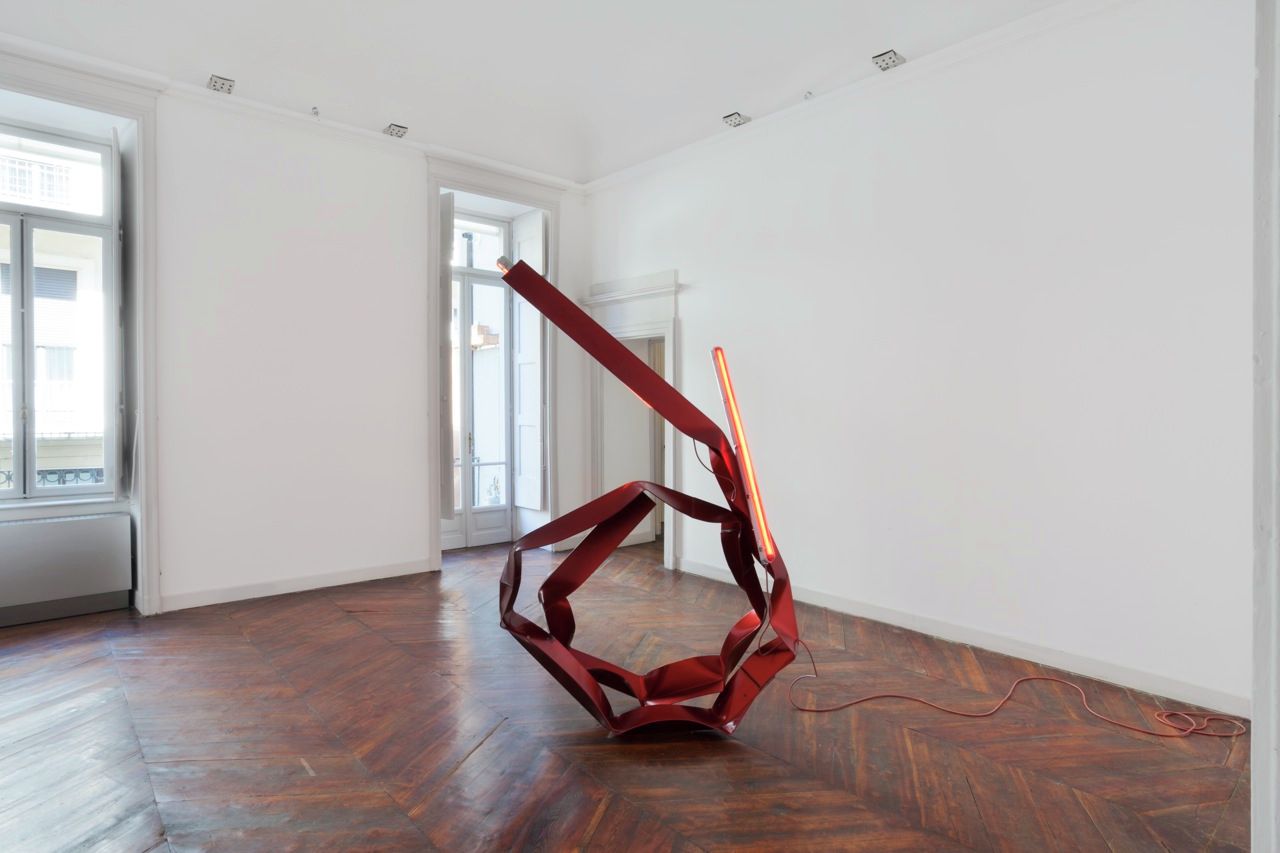
Mark Handforth, After Nature – Installation view
-
Mark Handforth, After Nature – Installation view
-
Mark Handforth, After Nature – Installation view
-
Mark Handforth, After Nature – Installation view
-
Mark Handforth, After Nature – Installation view
-
Mark Handforth, After Nature – Installation view
-
Mark Handforth, After Nature – Installation view
-
Mark Handforth, After Nature – Installation view
-
Mark Handforth, After Nature – Installation view
-
Mark Handforth, After Nature – Installation view
-
Mark Handforth, After Nature – Installation view
-
Mark Handforth, After Nature – Installation view
-
Mark Handforth, After Nature – Installation view
-
Mark Handforth, After Nature – Installation view
-
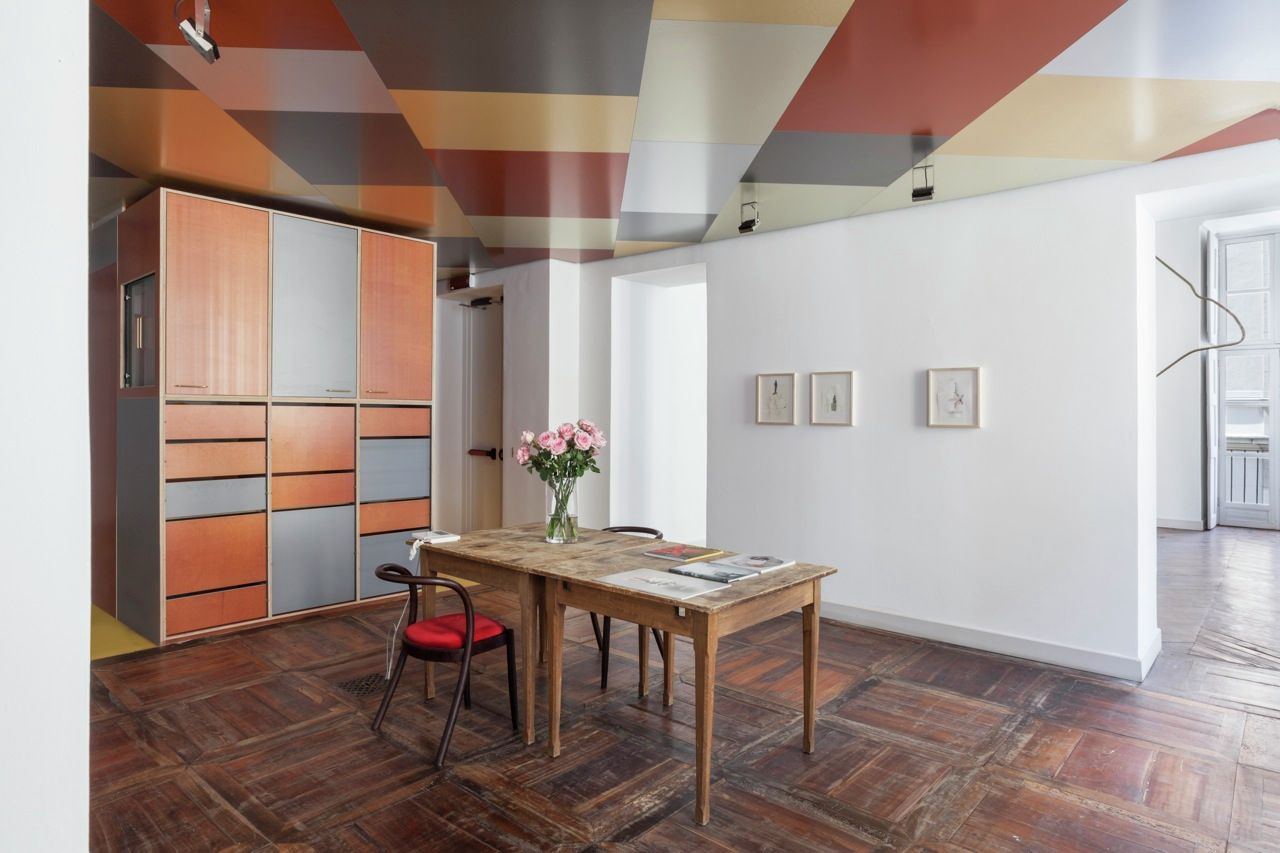
Mark Handforth, After Nature – Installation view

-
Mark Handforth, After Nature – Installation view
-
Mark Handforth, After Nature – Installation view
-
Mark Handforth, After Nature – Installation view
-
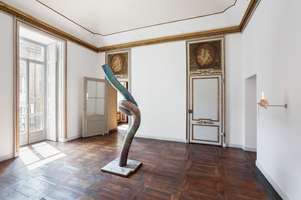
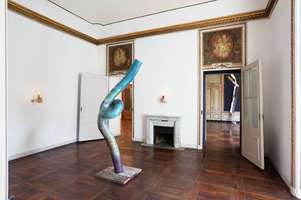
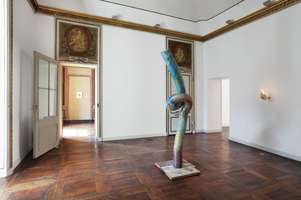
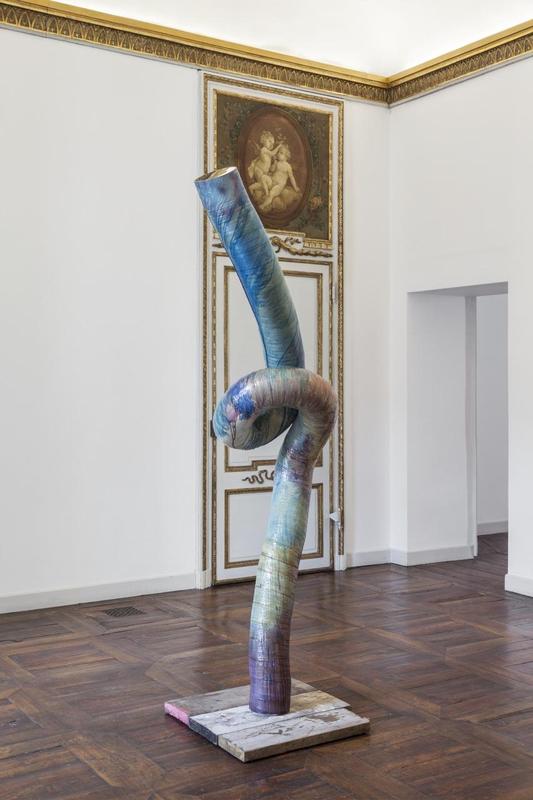
Mark Handforth, Painted Worm, 2017 –
-
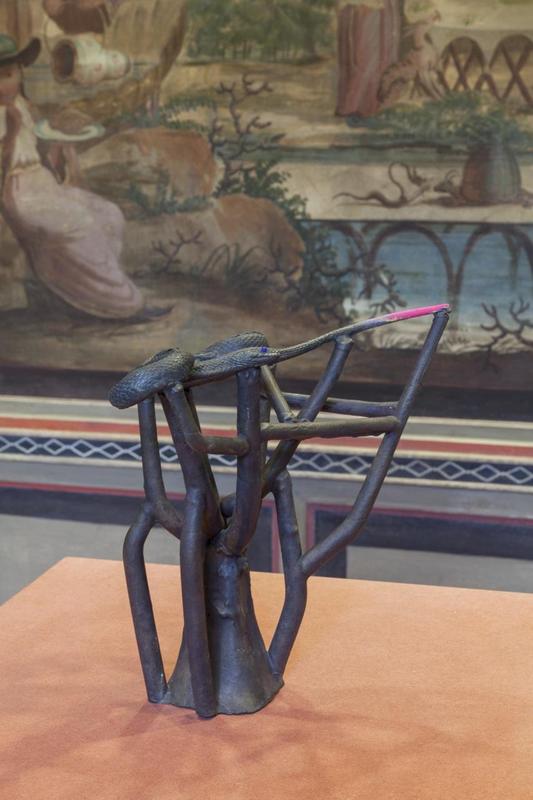
Mark Handforth, Snake Tree, 2017 –
-
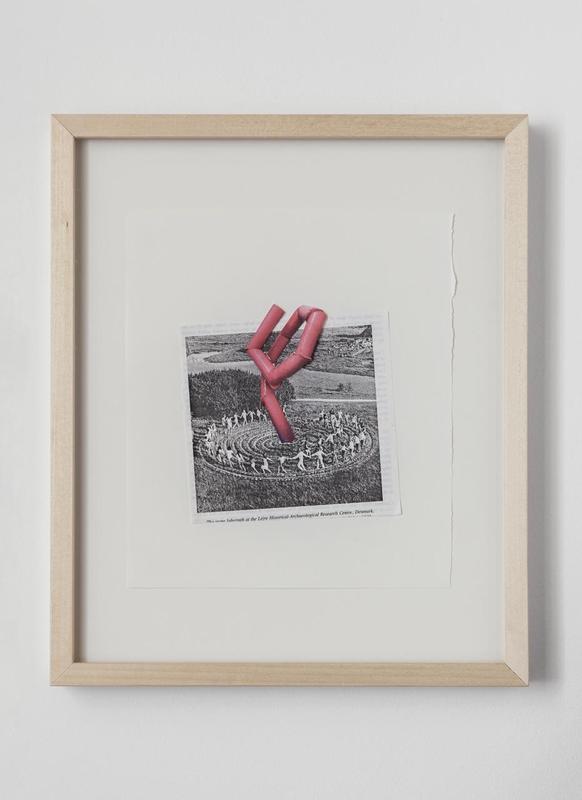
Mark Handforth, Project for Pink Fern , 2017 –
-
Mark Handforth, Black Fern, 2017 –
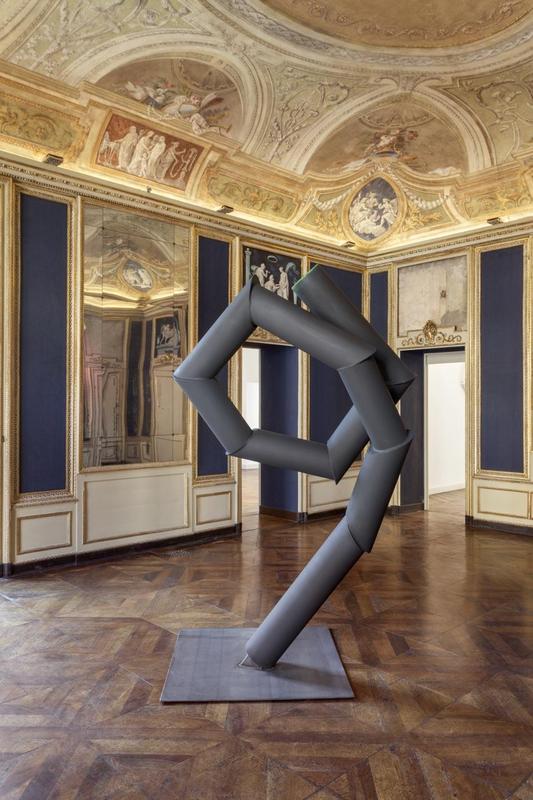
-
Mark Handforth, Dancing Cross, 2017 –
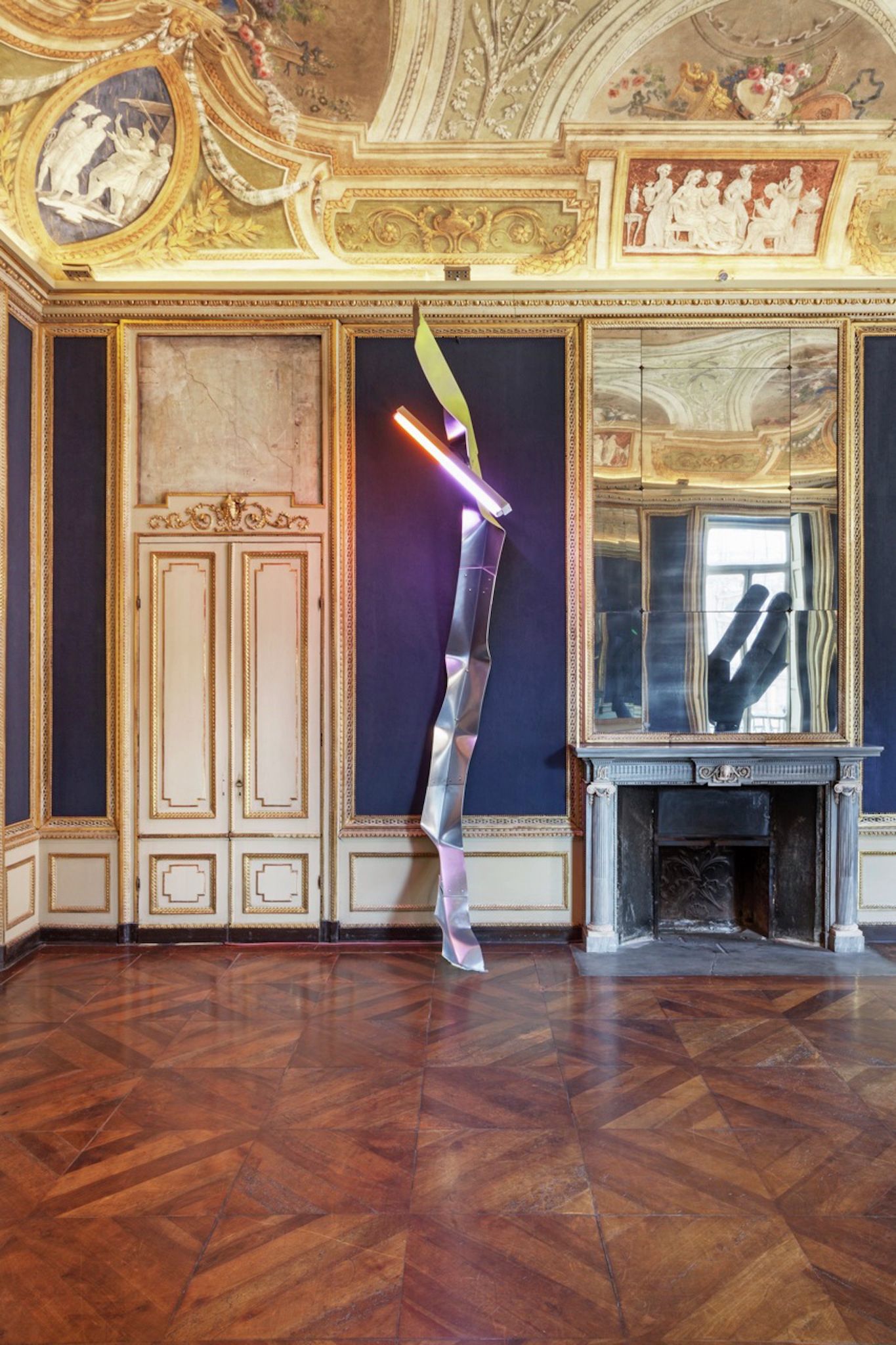
-
Mark Handforth, Rolling Rose, 2017
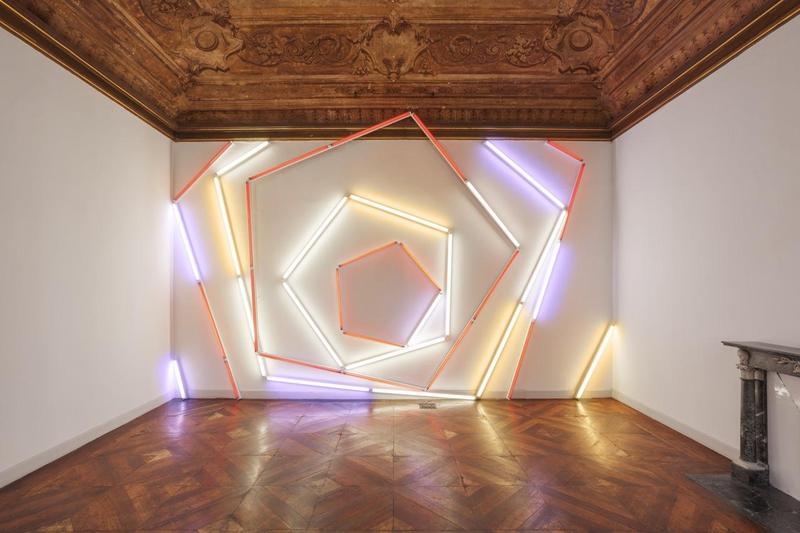
-
Mark Handforth, Green turns Blue, 2017 –
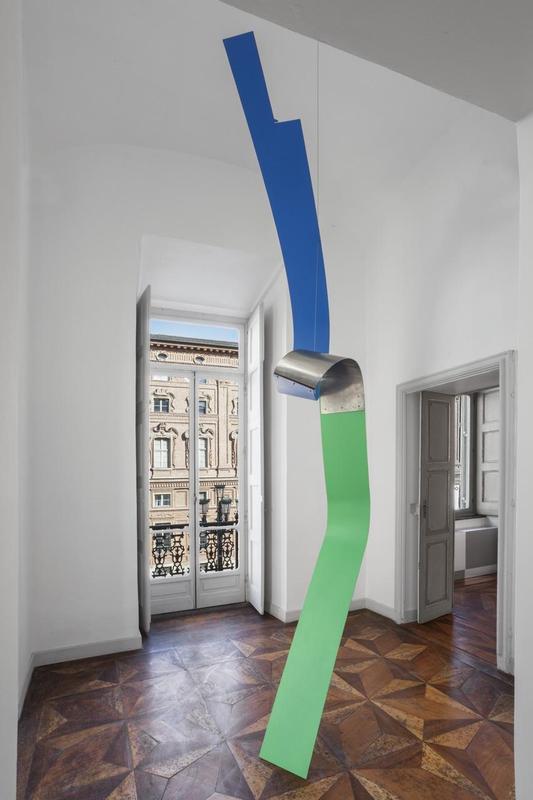
-
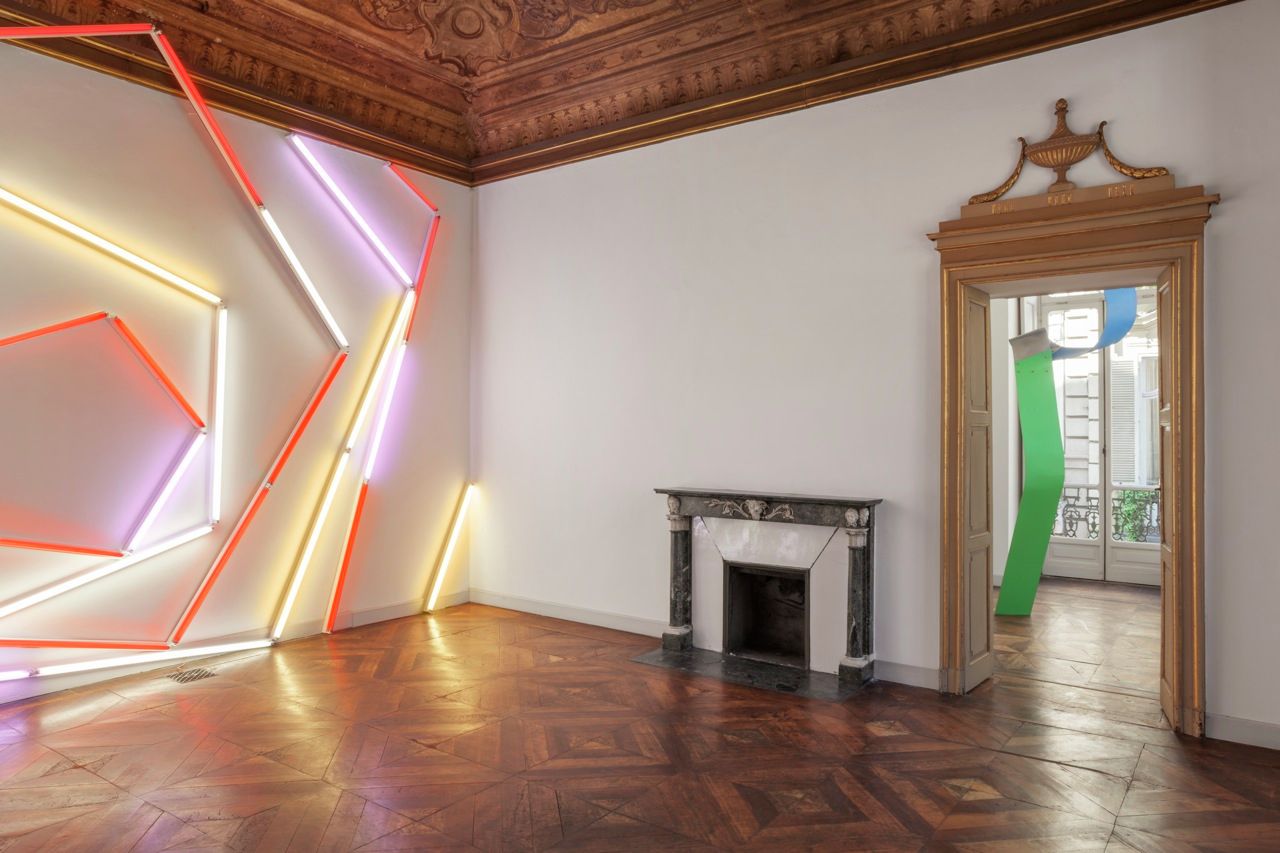
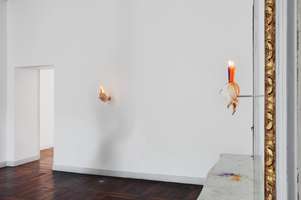
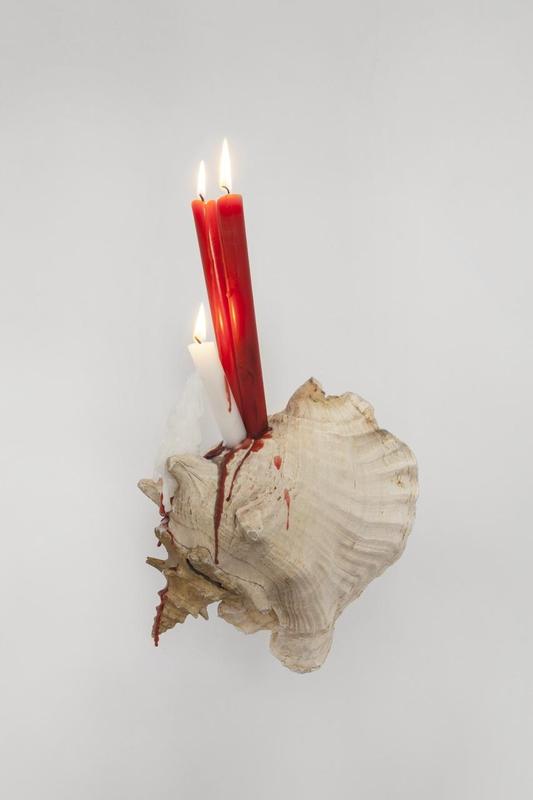
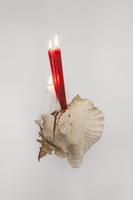
Mark Handforth, After Nature (Red on White), 2017 –
-
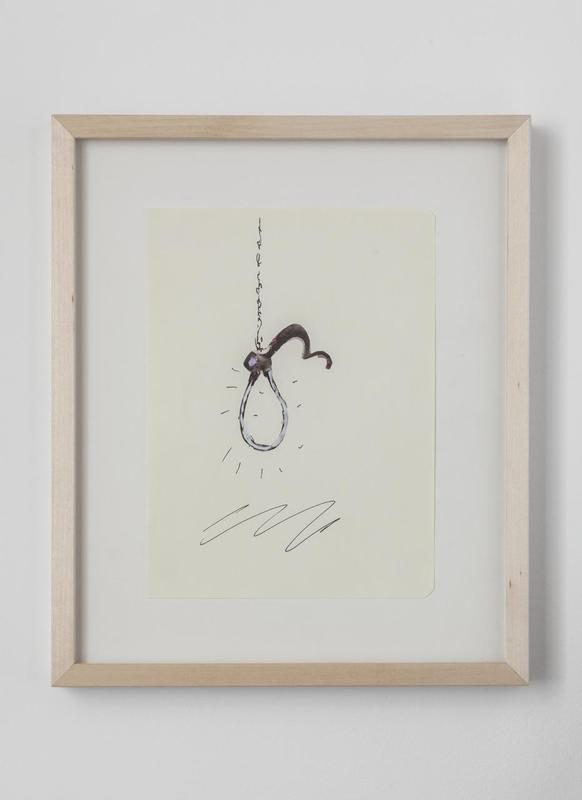
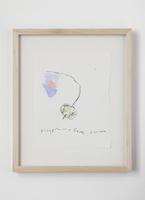
Mark Handforth, Project for Capricorno, 2017 –
-
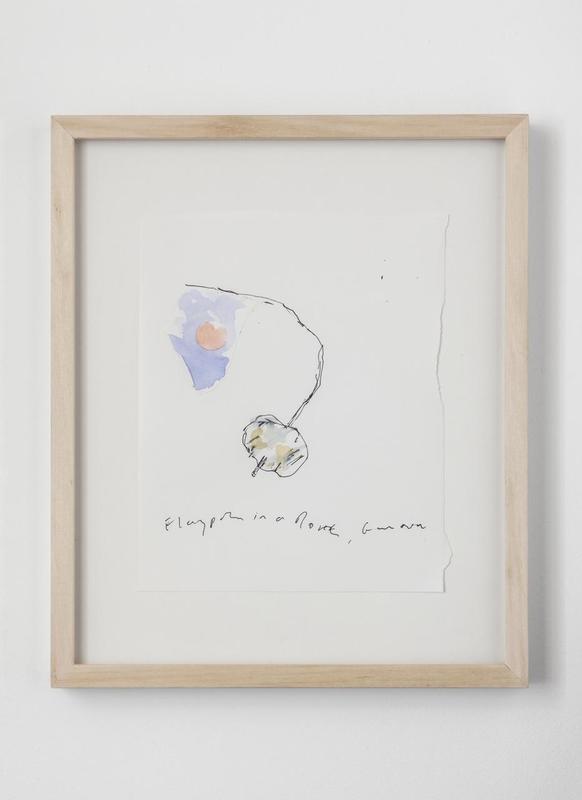
Mark Handforth, Project for Flag Pole in a Rock , 2017 –
-
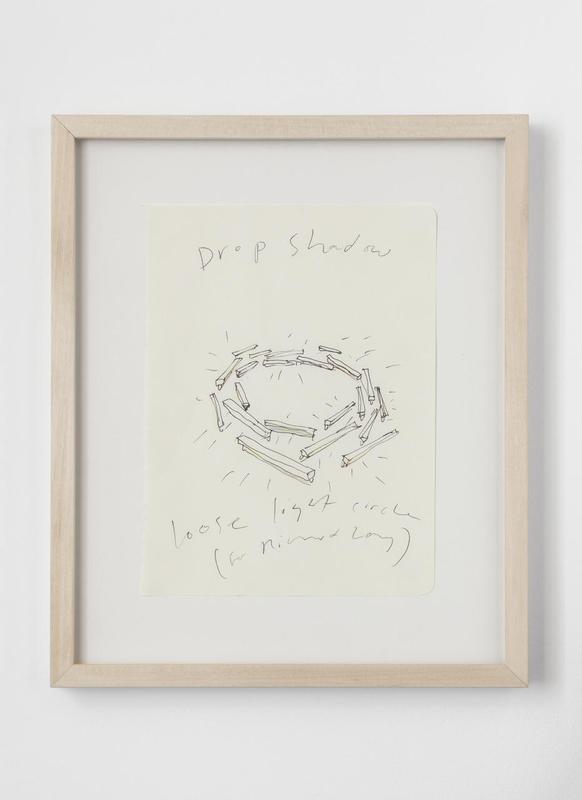
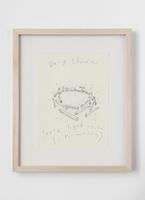
Mark Handforth, Project for Drop Shadow , 2017 –
-
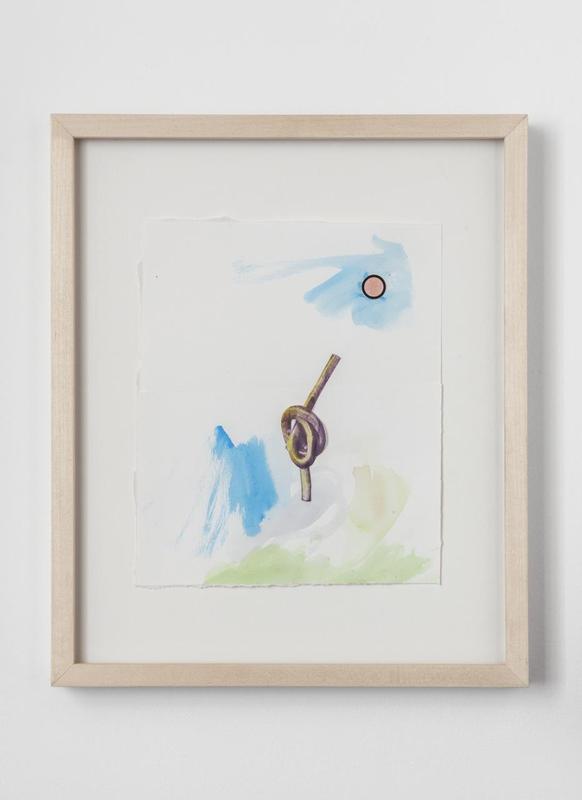
Mark Handforth, Yellow Collage , 2017 –
-
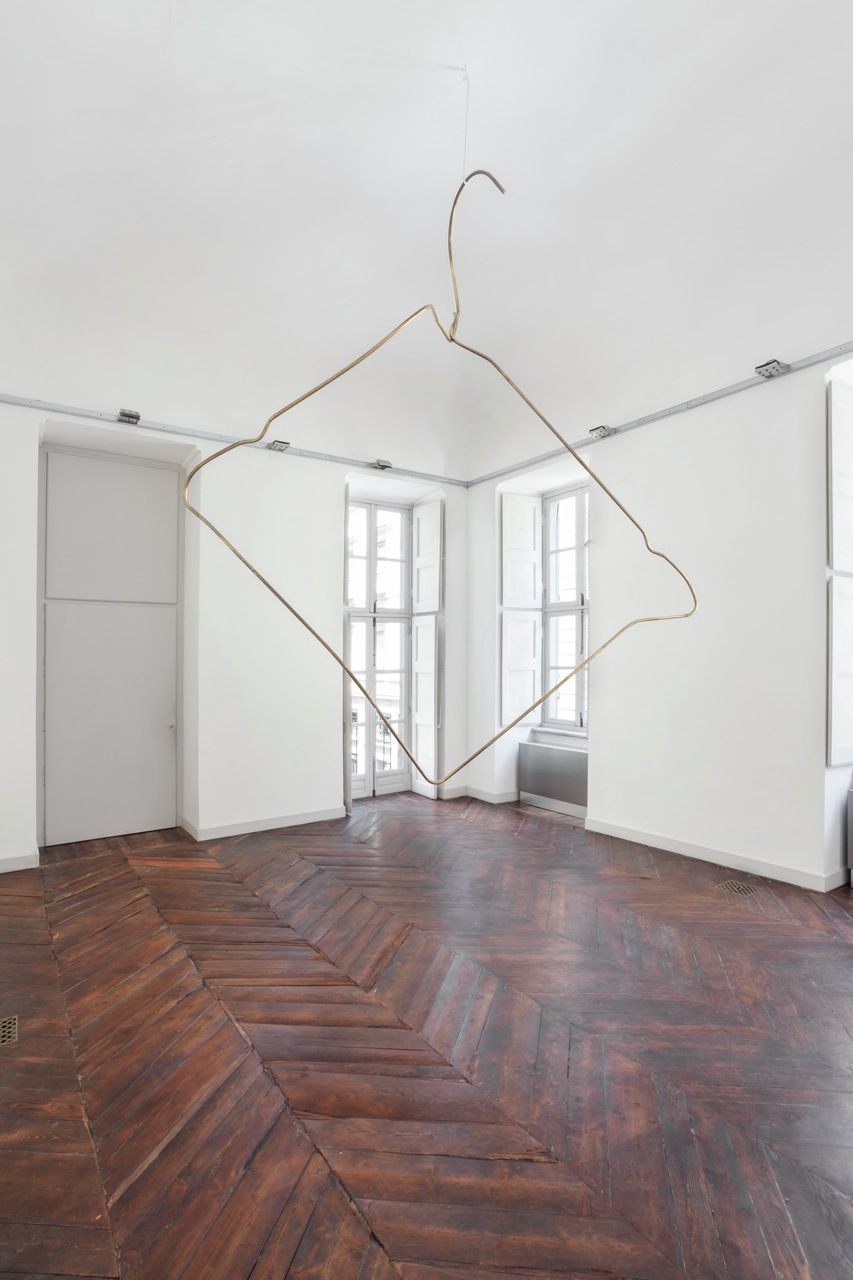
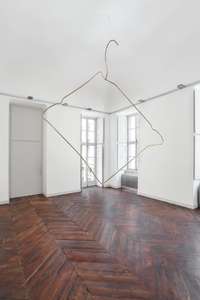
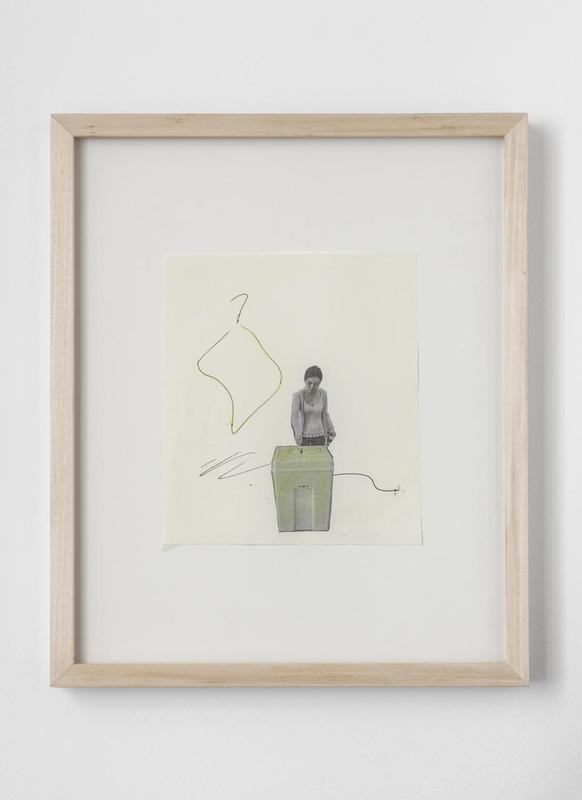
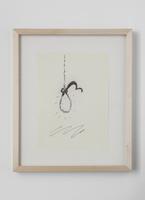
Mark Handforth, Project for Diamond Hanger , 2017 –
-
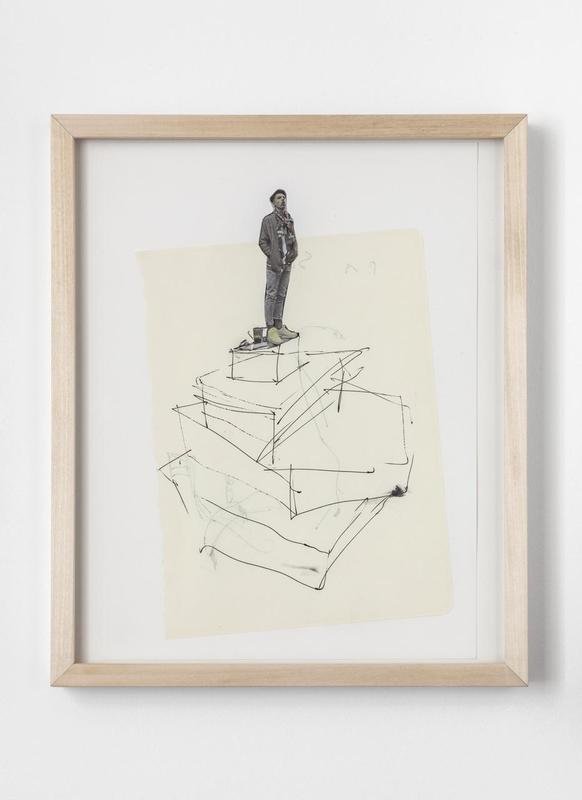
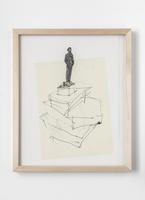
Mark Handforth, Project for Ziggurat , 2017 –
-
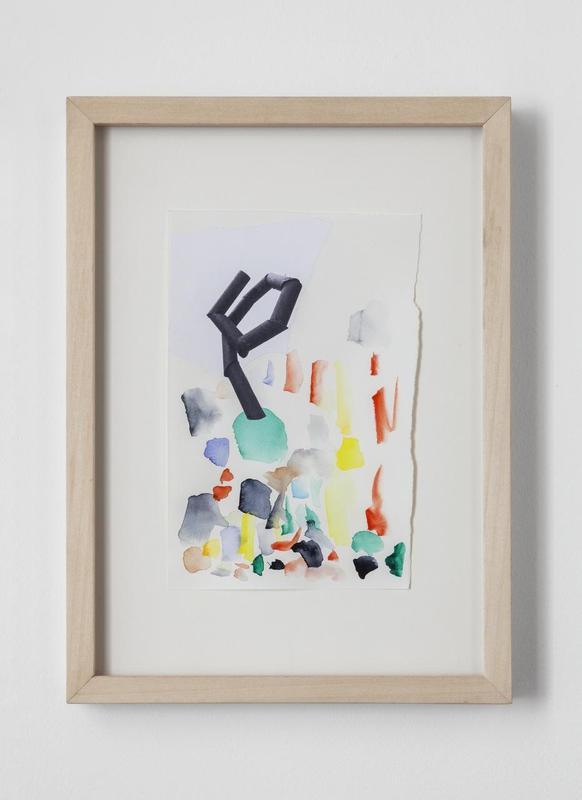
Mark Handforth, Project for Black Fern, 2017 –
-
Mark Handforth, Amber Fractal, 2017
-
Mark Handforth, Red Ends, 2017 –
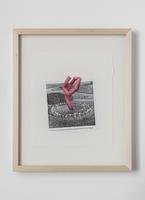
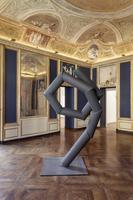
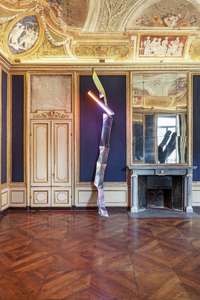
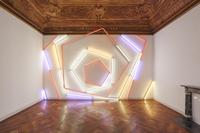
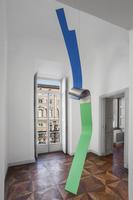
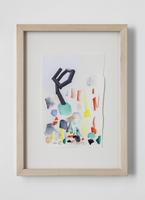
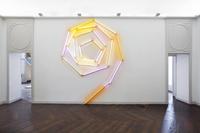
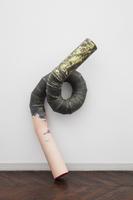
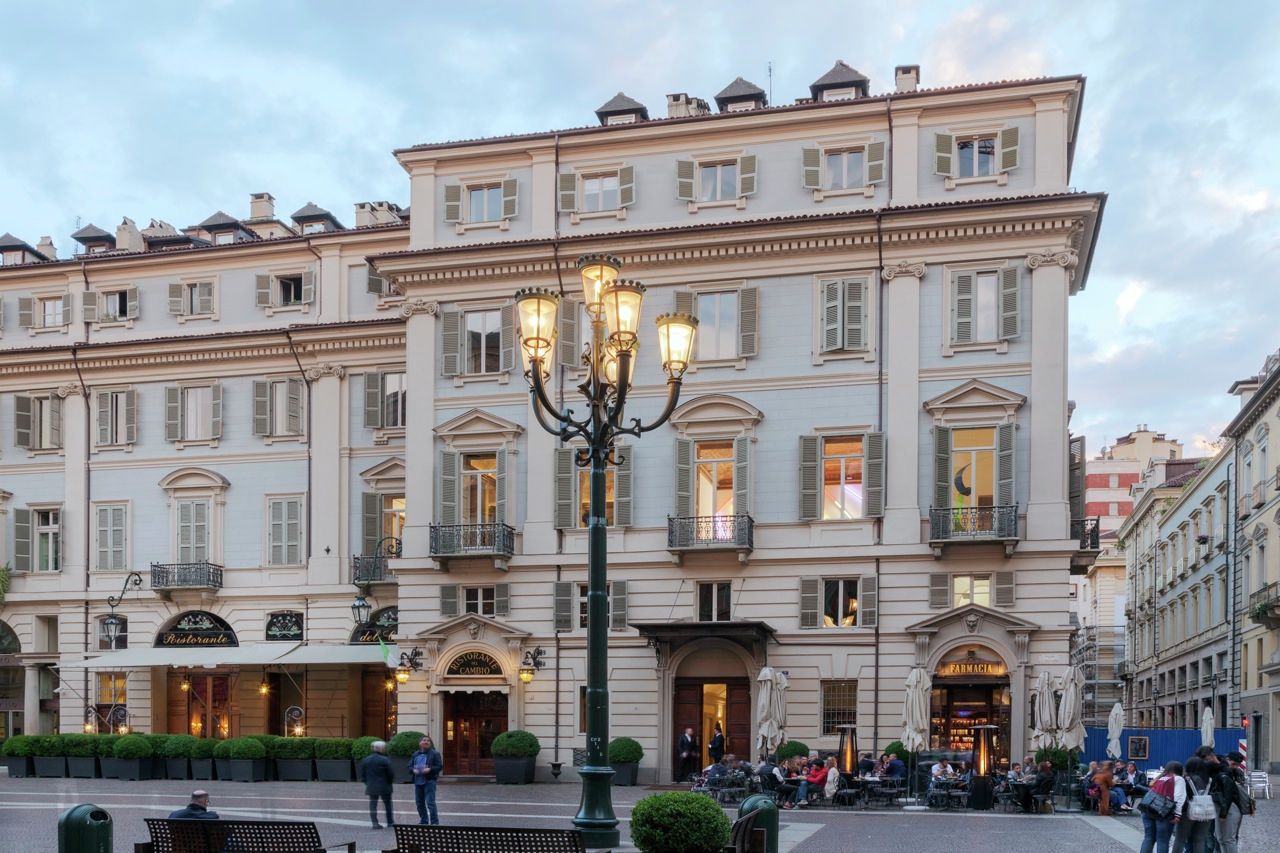
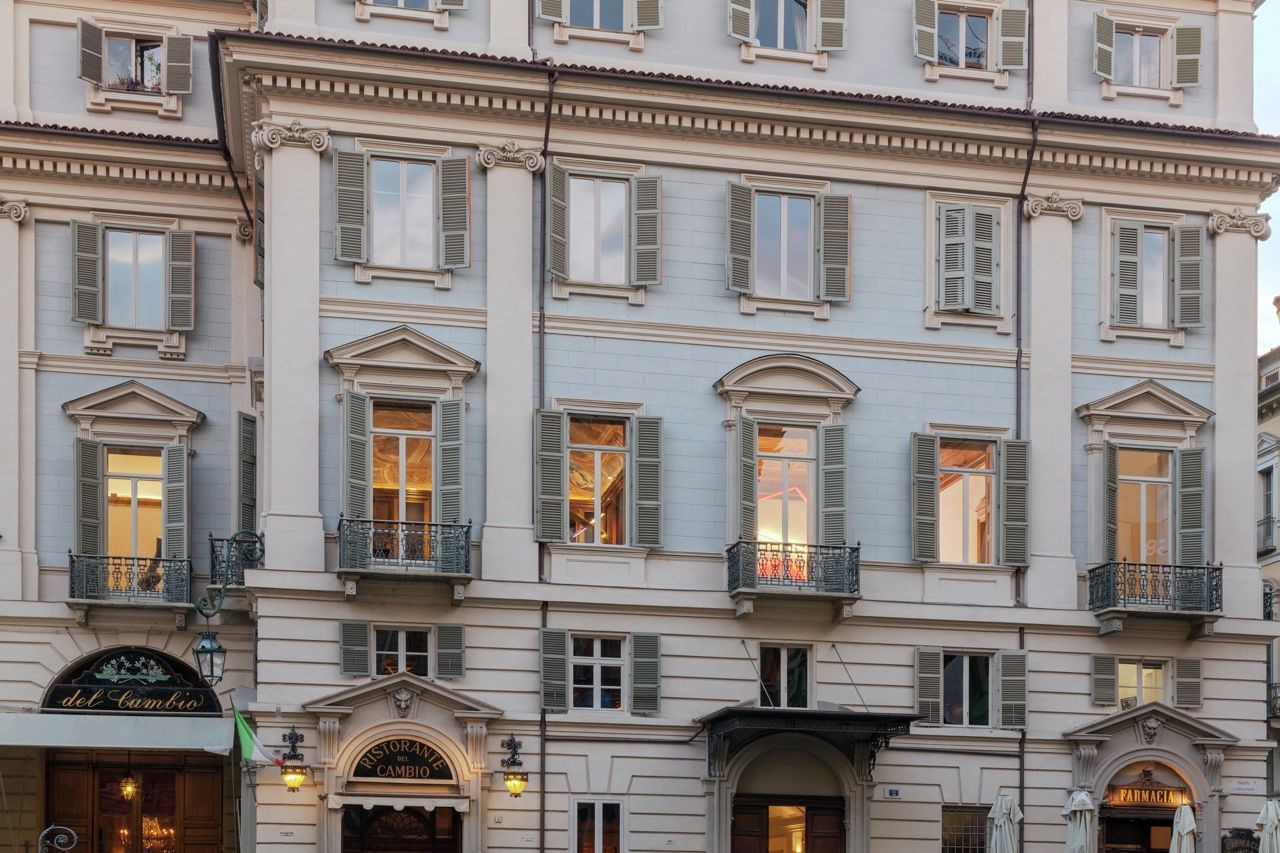
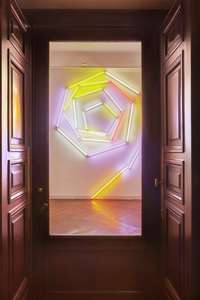
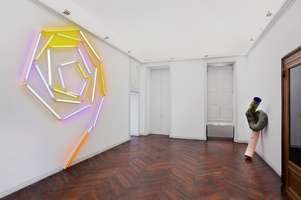
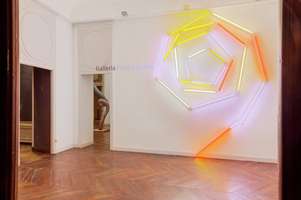
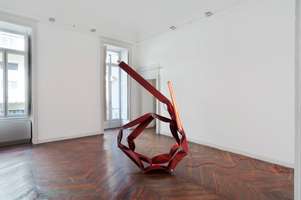
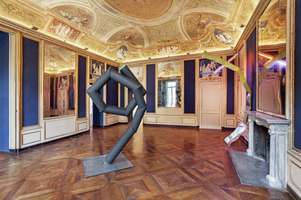
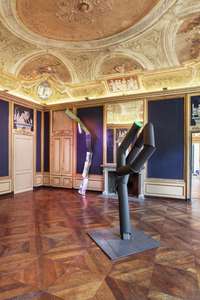
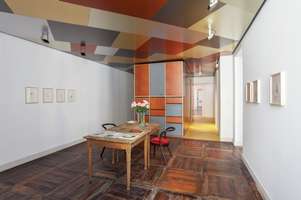
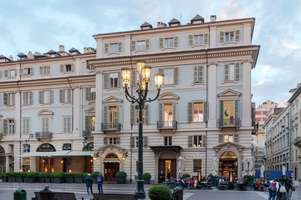
Galleria Franco Noero is pleased to present After Nature, Mark Handforth's third solo exhibition in Torino and his first hosted in the gallery space of Piazza Carignano.
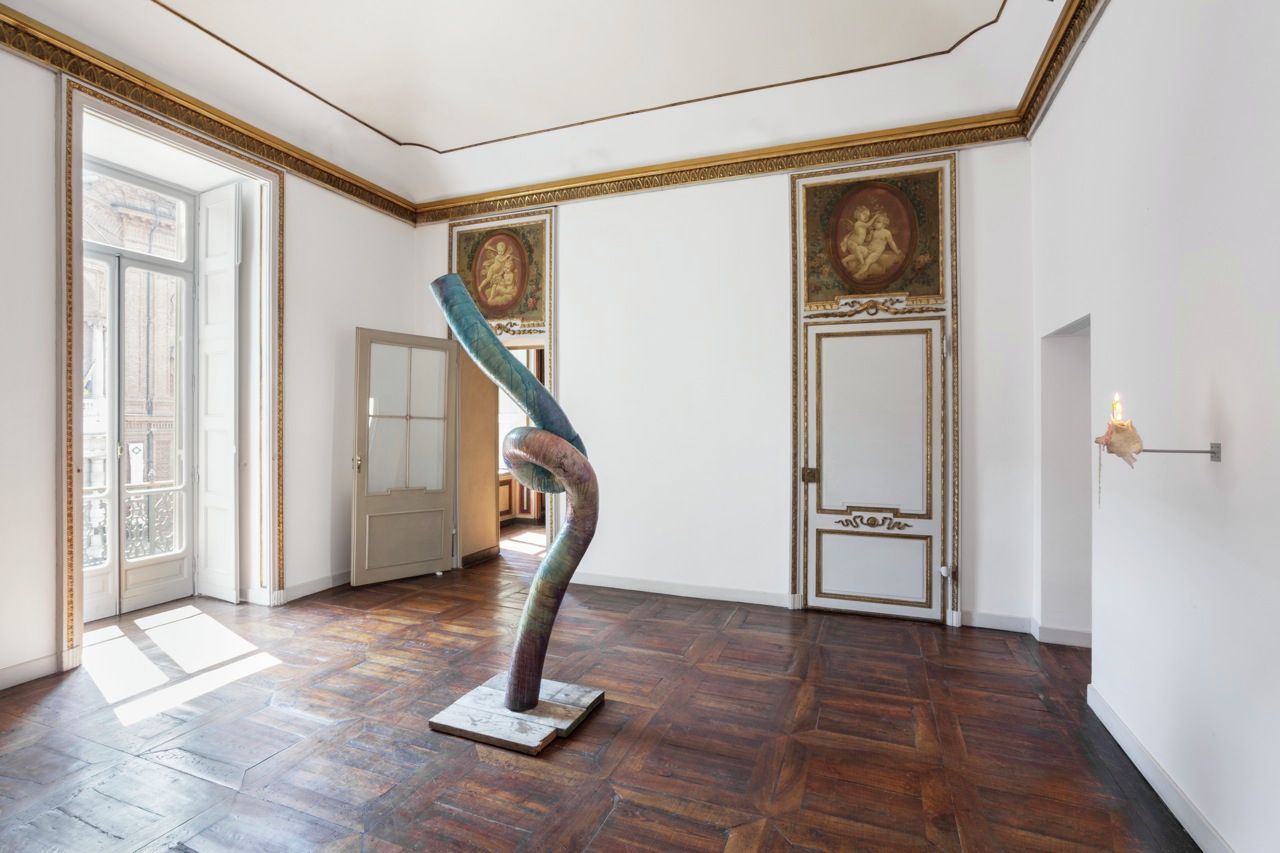
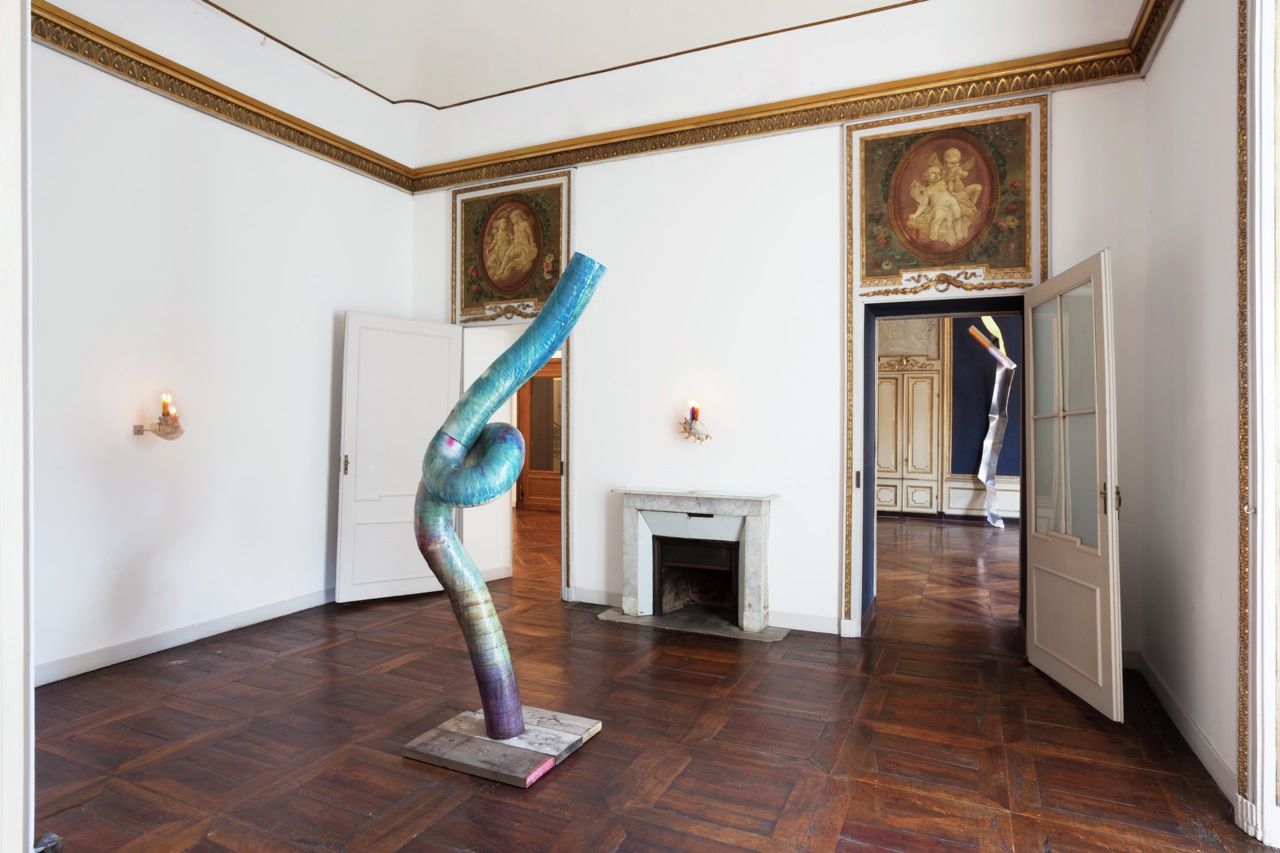
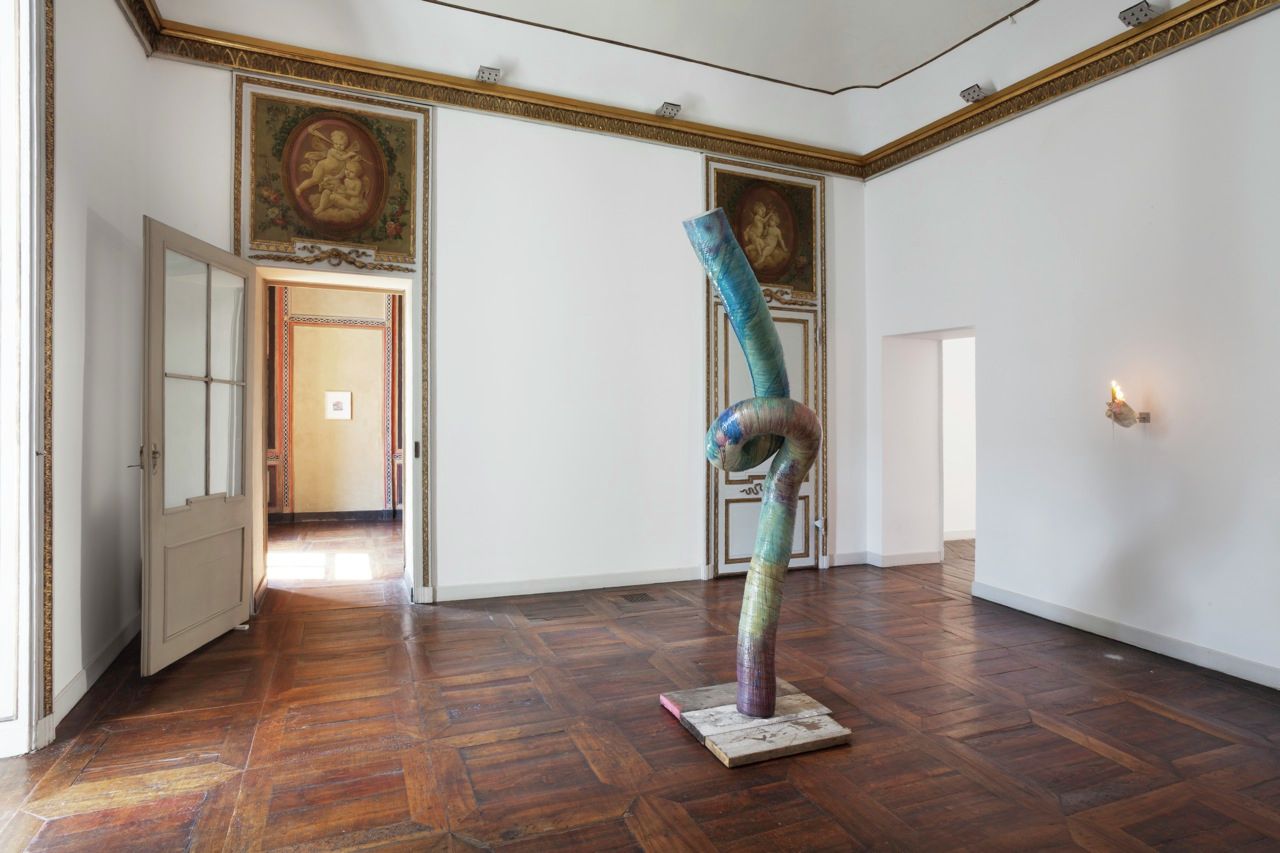
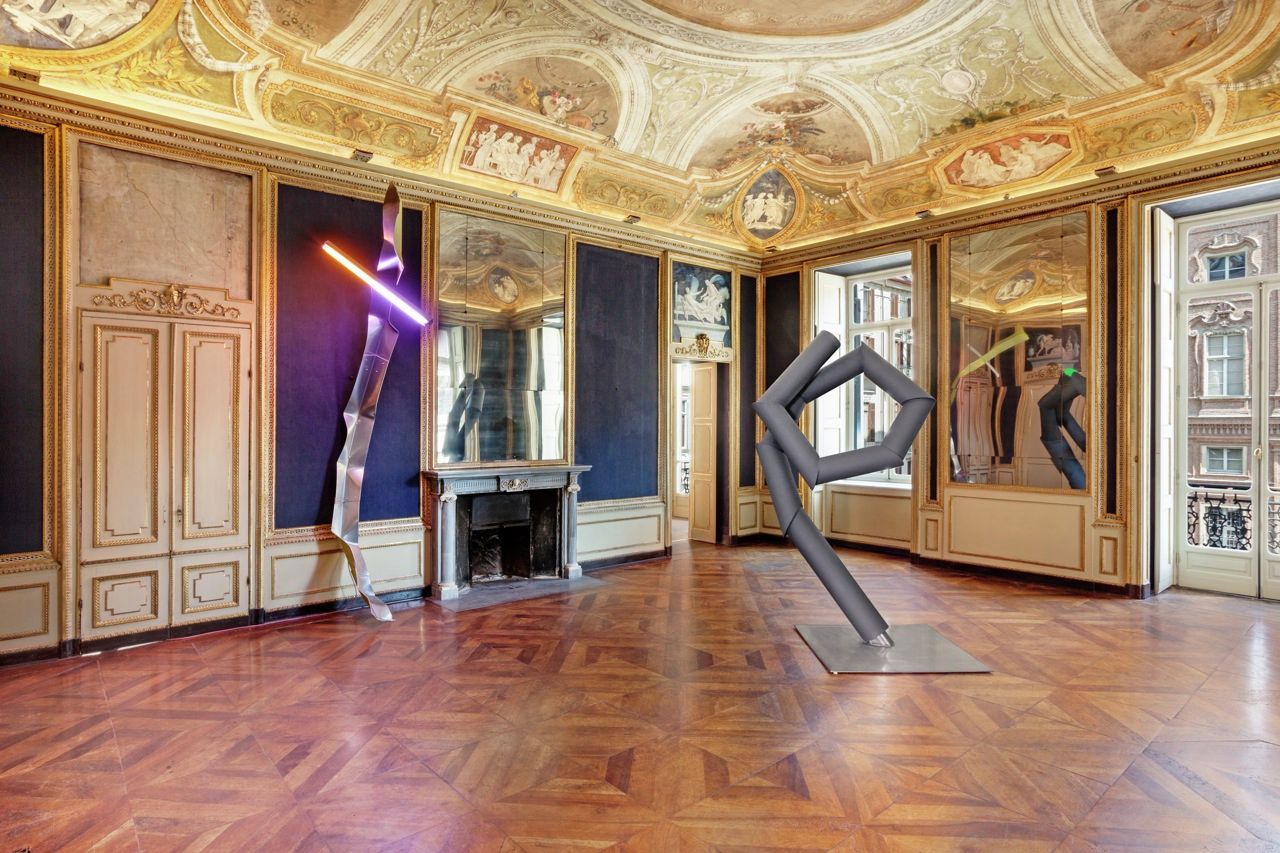
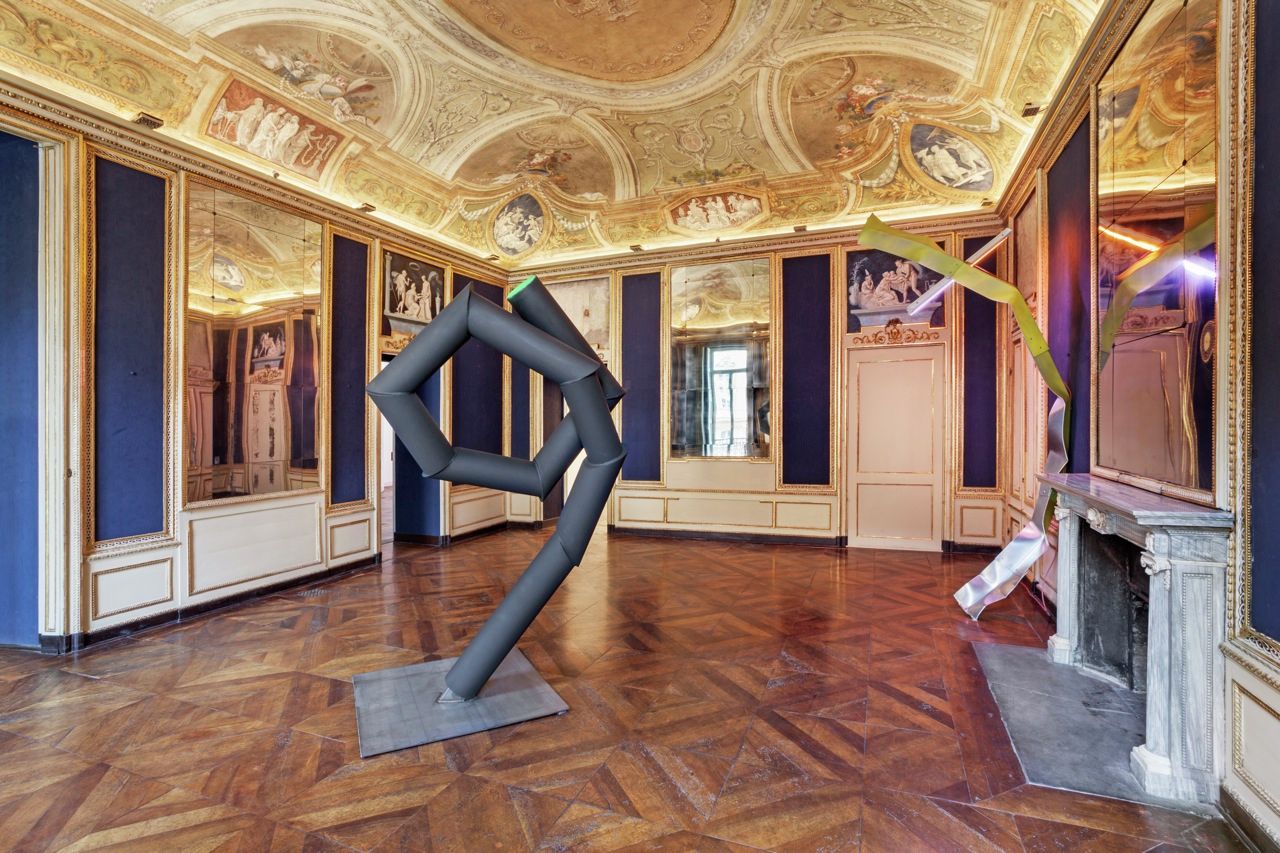
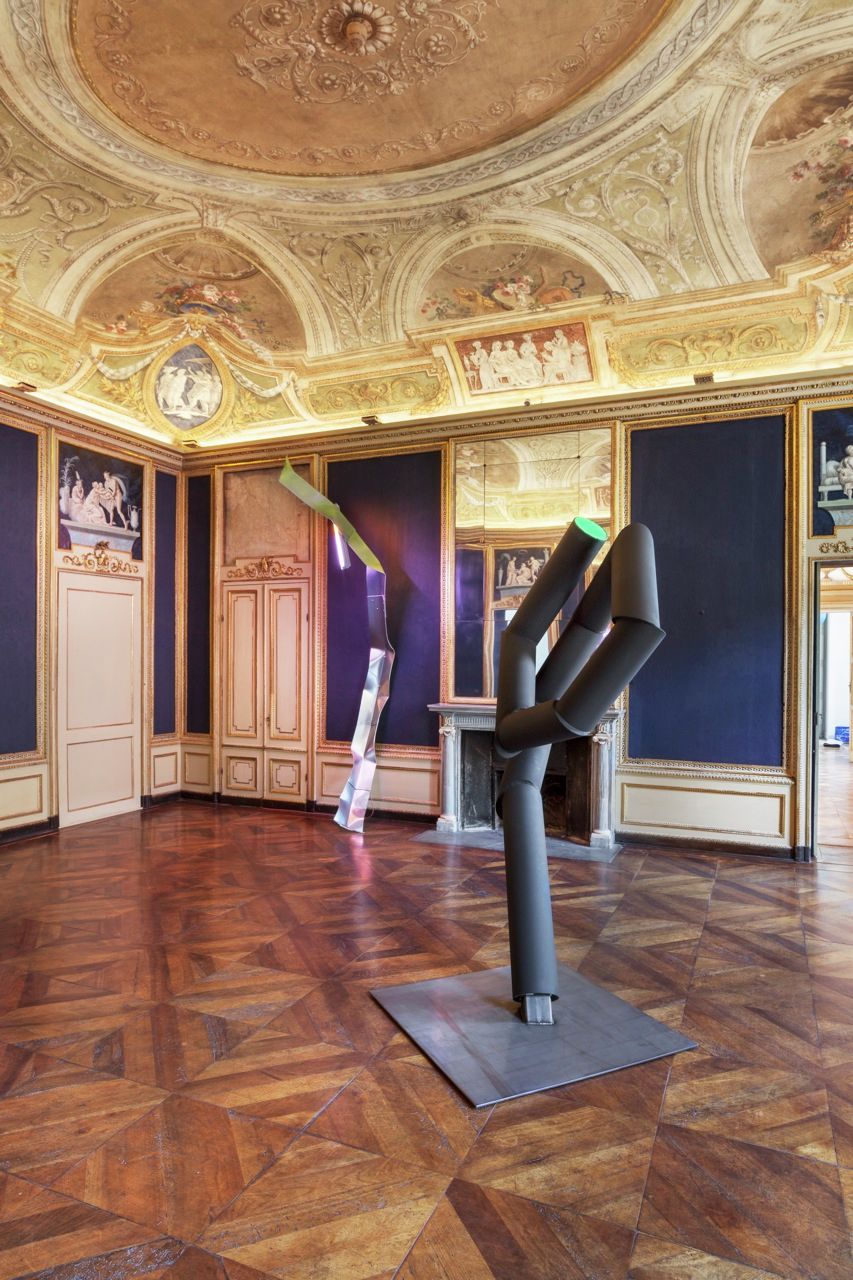
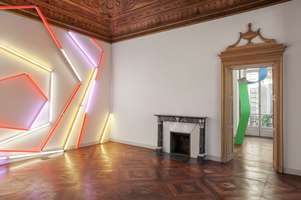
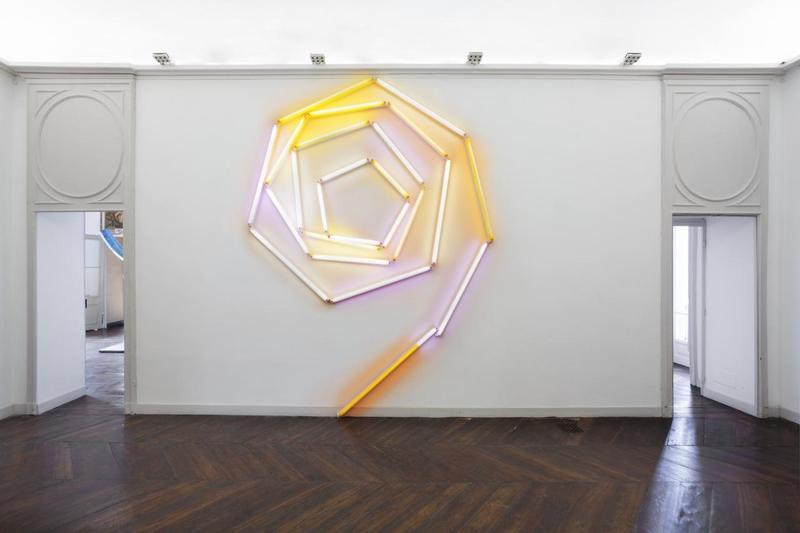
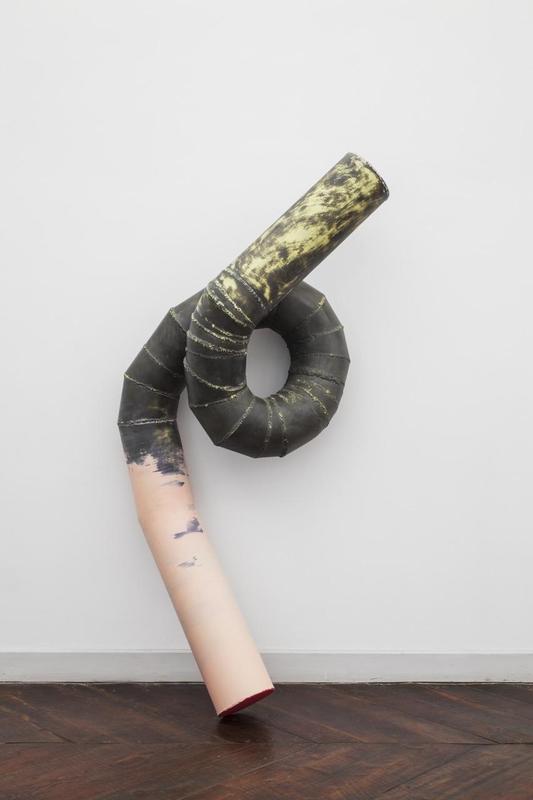
In a series of new sculptures and light works that draw "directly, inadvertently or inevitably" from elemental natural forms, from ferns and fractals, from worms and snakes, the artist applies the spiraling, looping tendencies of Nature's ad-hoc progressions as both muse and working process.
The dynamism expressed by nature, in its aspects of continuous change and reproduction, suggests a tendency towards iteration, which is found in abstract forms such as fractals, but also in living forms such as ferns, snakes or worms, a trend that can be associated with a progression, a spiral, a form that simultaneously becomes the inspirational muse and the driving force behind the artist's creative process.
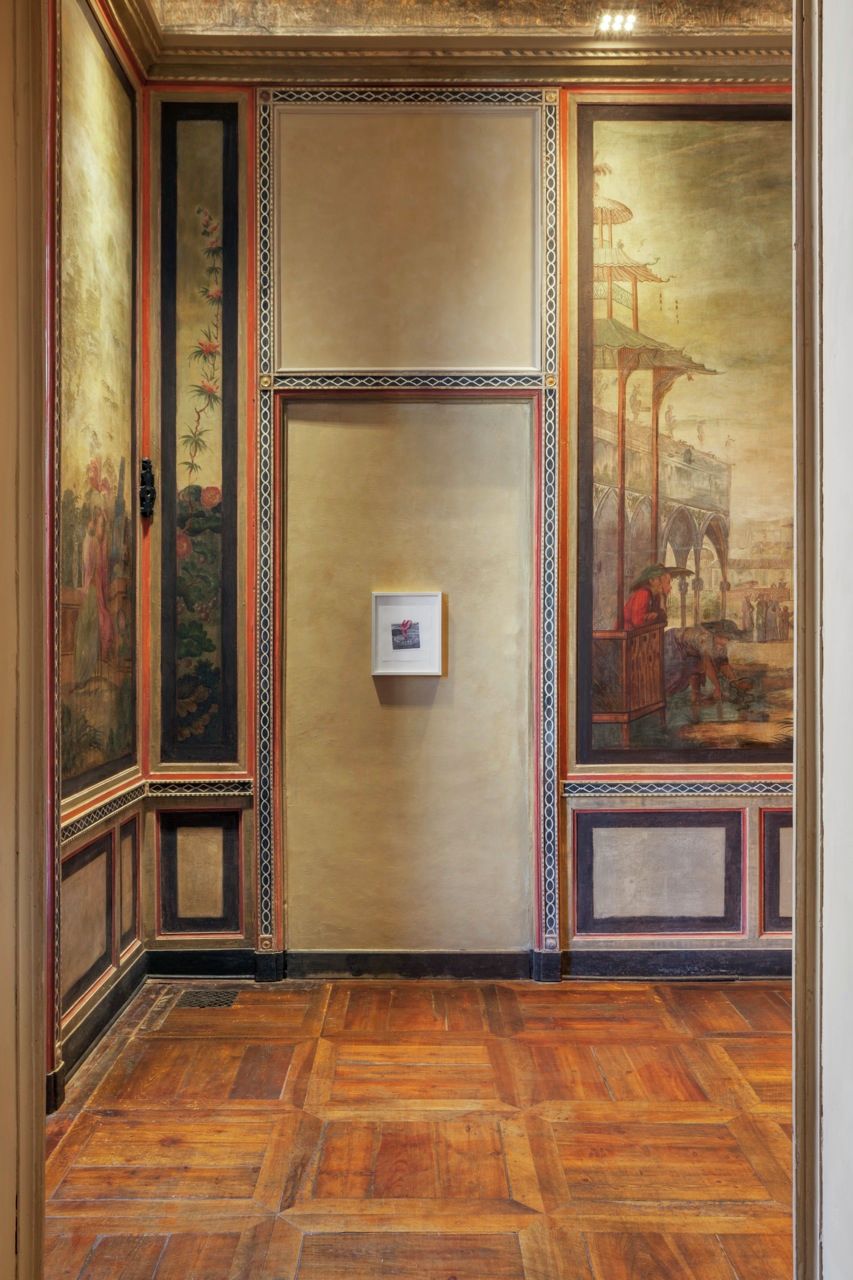
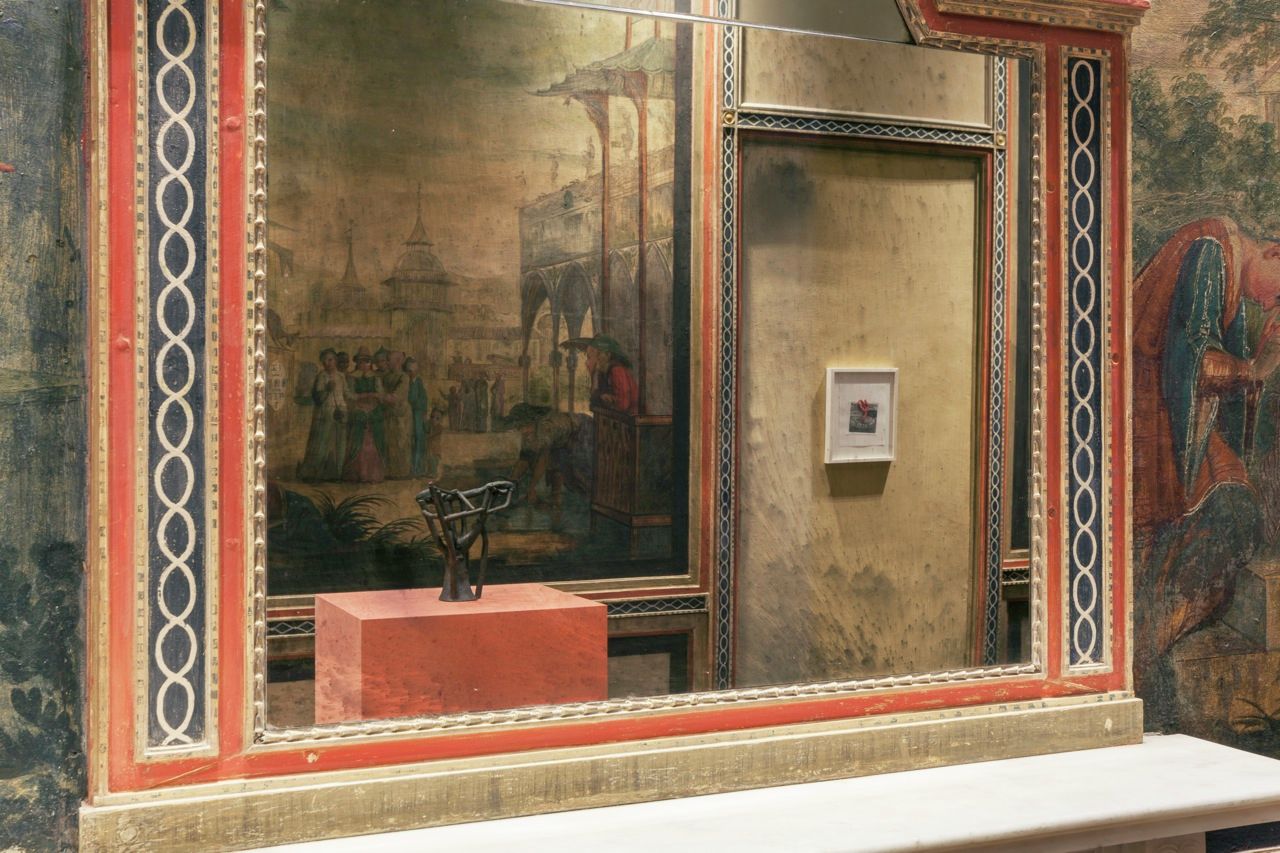
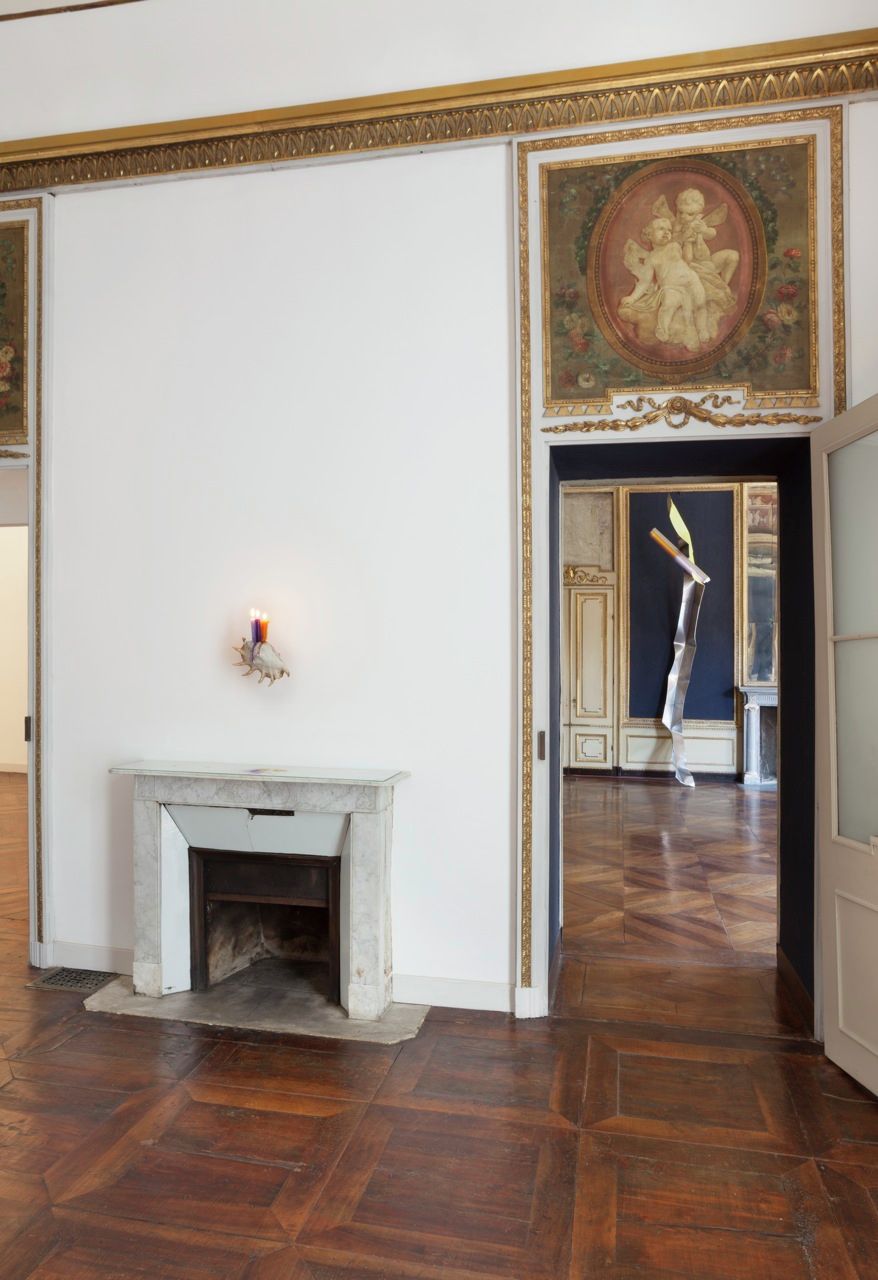
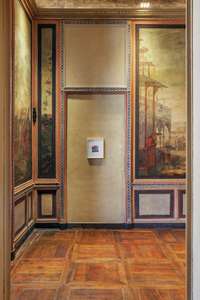
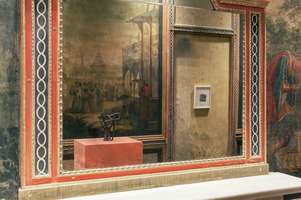
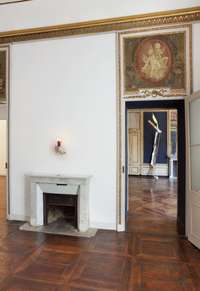
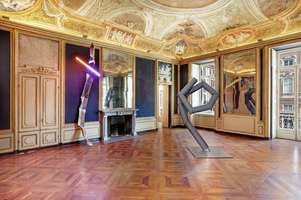
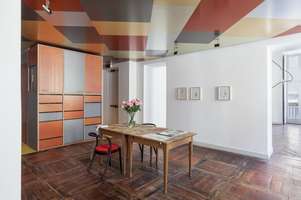
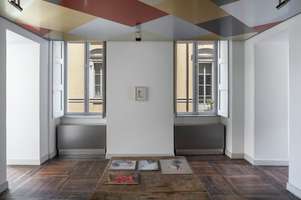
Made specifically for the ornate rooms of the 18th century apartment, the pieces might refer equally to the Baroque and post-Baroque preoccupation with natural forms evident in the painted ceilings, where plants morph into animals and snakes loop absurdly, their natural forms twisted to fit the demanding patterns of high bourgeois culture.
Yet substituting the notion of natural representation with that of analogous objects, of post-industrial minimal forms that stand as easily within or next to nature, the sculptures, as the title suggests, also hint at the idea of stand-ins for nature and the alarming perversity of a future without it.
In After Nature, Handforth combines the element of natural inspiration with the constant reference to the urban landscape. By creating works ranging in size from intimate to monumental where the spiral form prevails, his sculptures generate a powerful energy that spreads throughout the space, creating a dynamic tension between the organic and the geometric, between concepts of change and immanence, the natural and the artificial, abstraction and symbolic representation.
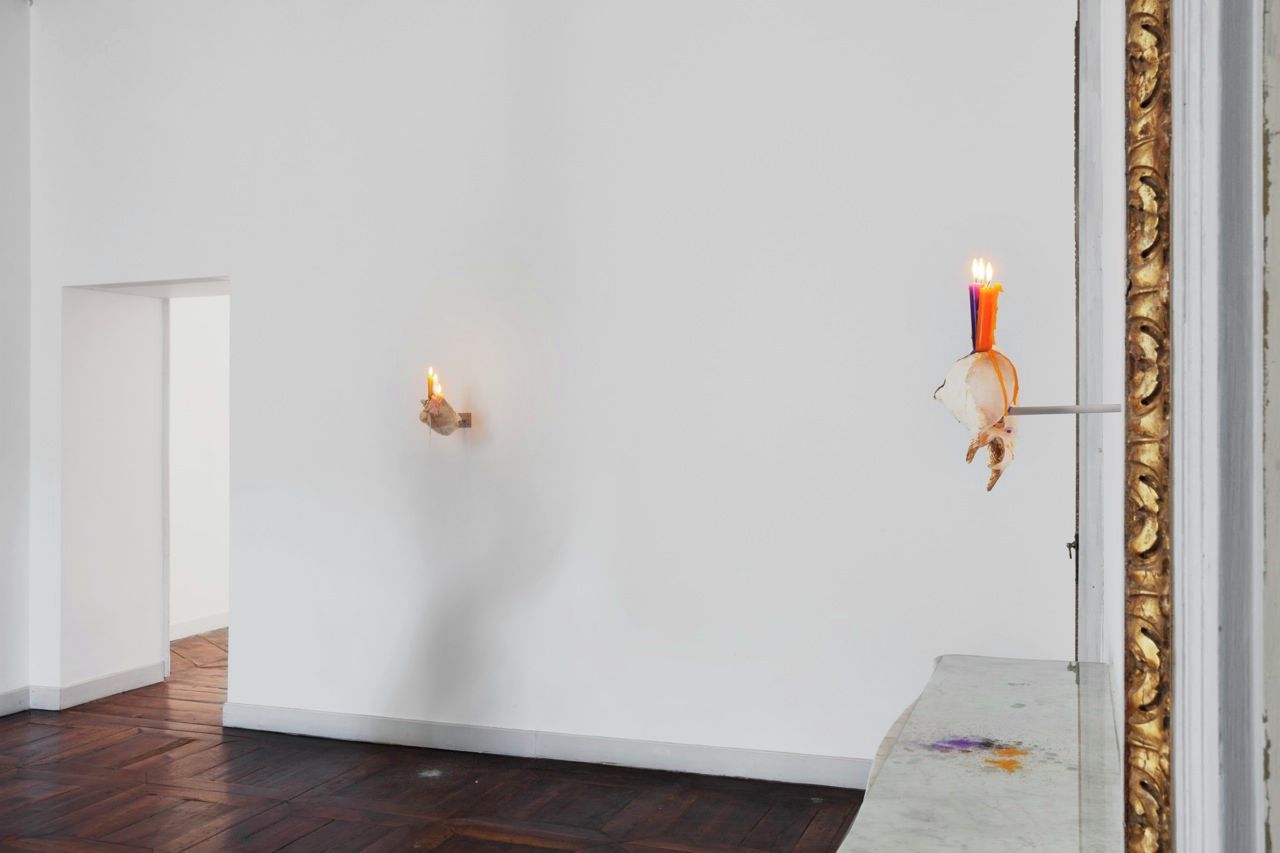
Light is another significant element in the artistʼs practice, either cold and artificial when produced by neons or warm and immersive when colored candles are lit: it becomes a tangible element part of the plasticity of the sculptures, transforming and substantially altering the perception of their forms.