

-
Andrew Dadson, Andrew Dadson: Over The Sun – Installation view
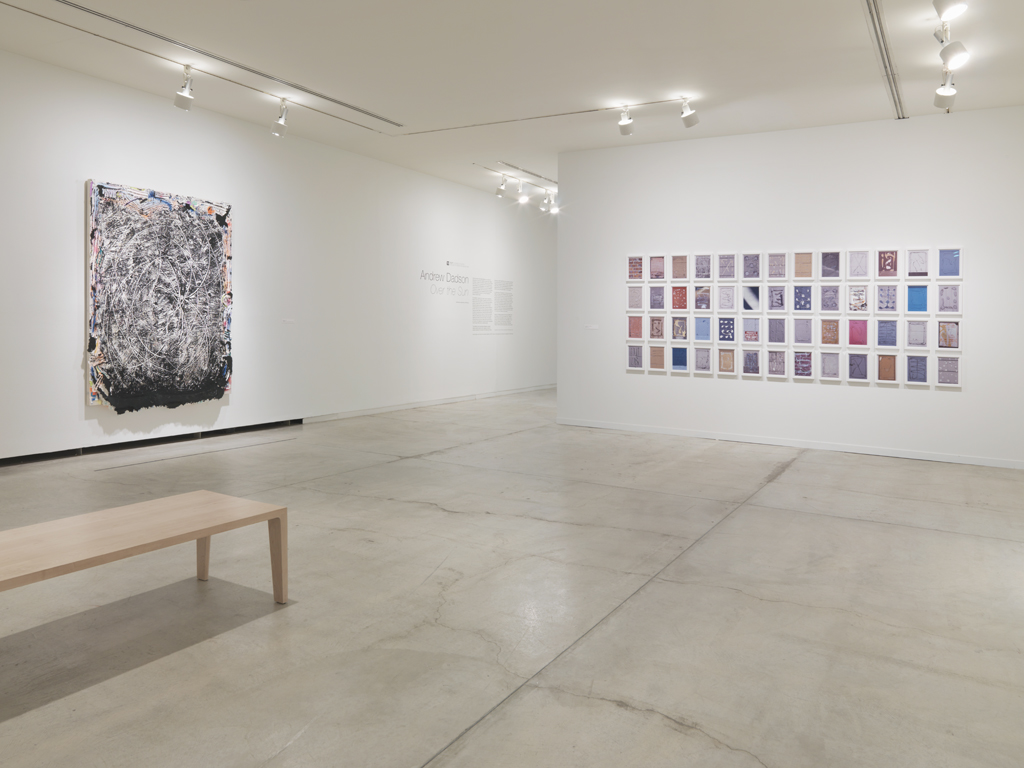
-
Andrew Dadson, Andrew Dadson: Over The Sun – Installation view
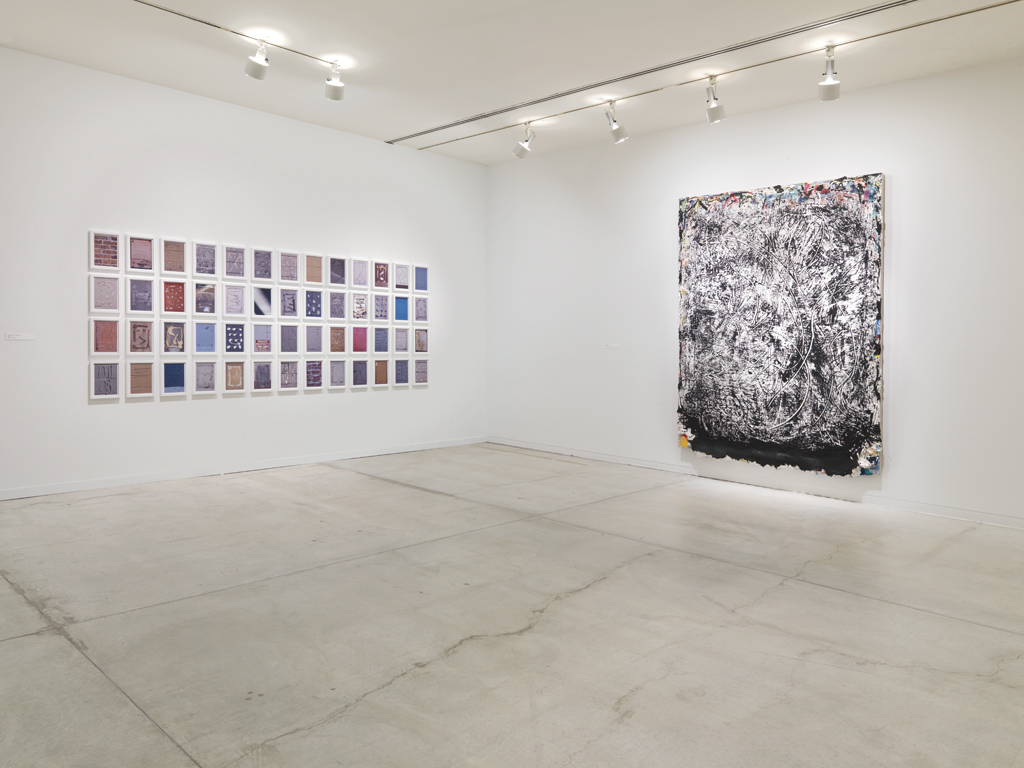
-
Andrew Dadson, Andrew Dadson: Over The Sun – Installation view
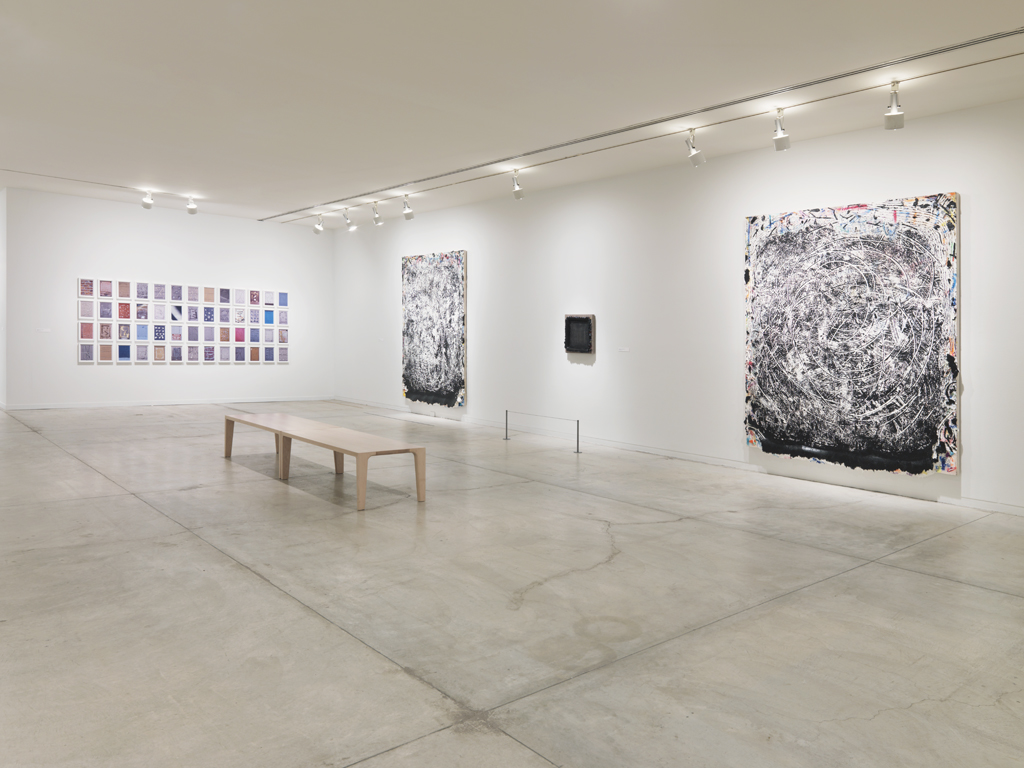
-
Andrew Dadson, Andrew Dadson: Over The Sun – Installation view
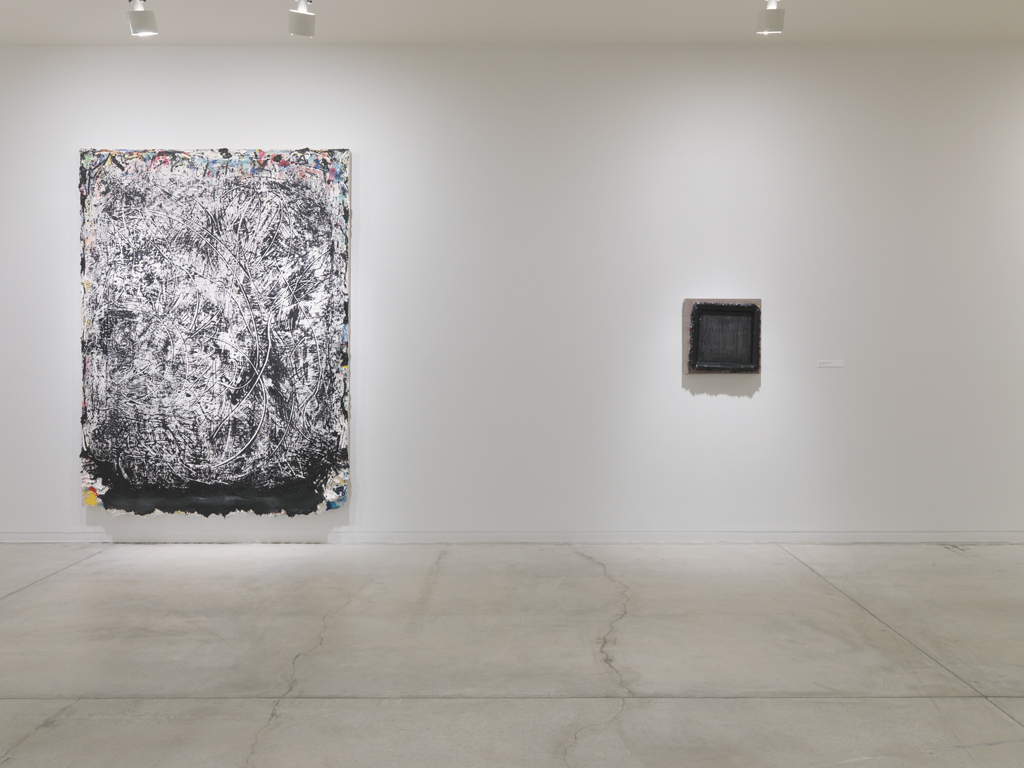
-
Andrew Dadson, Andrew Dadson: Over The Sun – Installation view
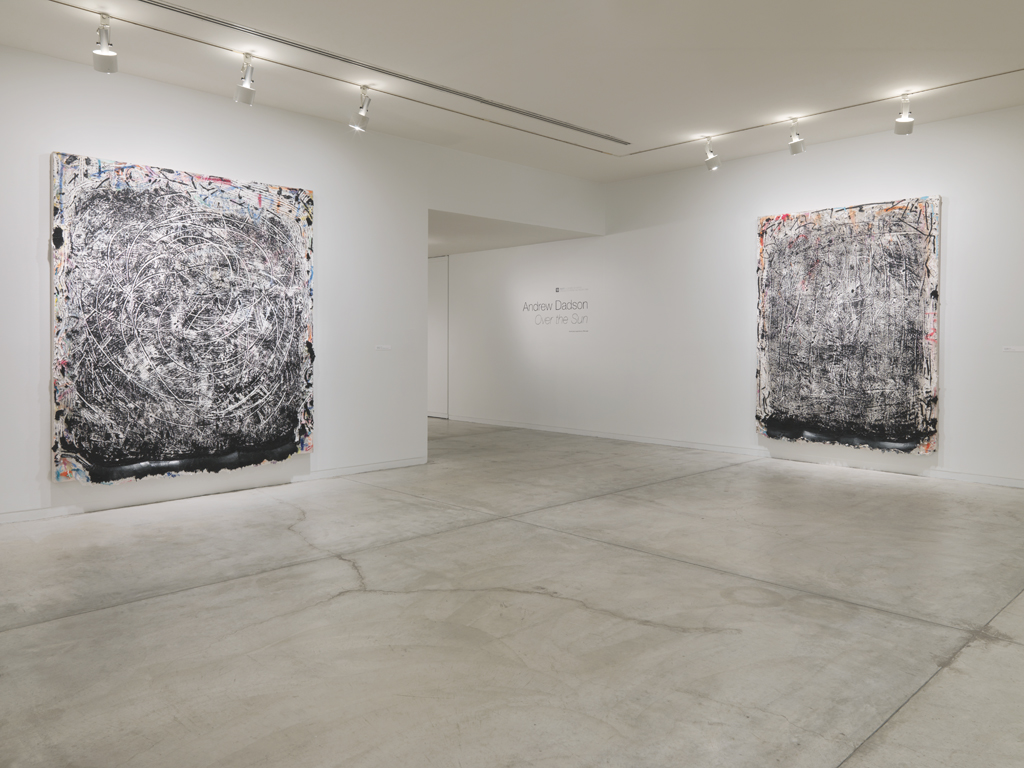
-
Andrew Dadson, Andrew Dadson: Over The Sun – Installation view
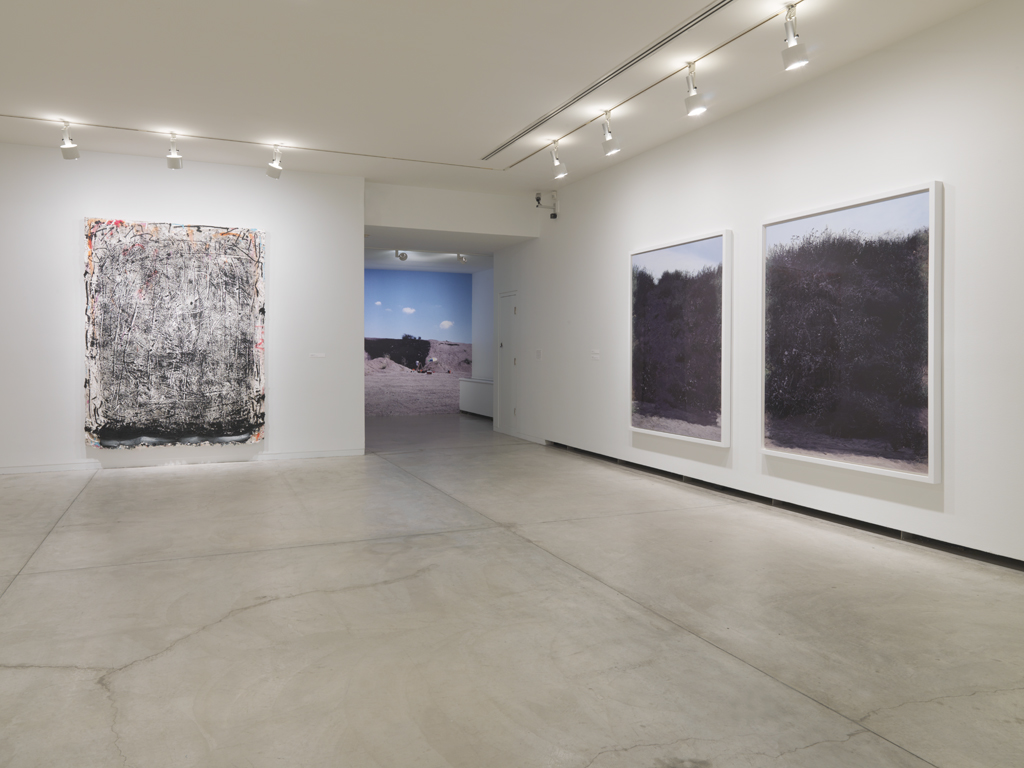
-
Andrew Dadson, Andrew Dadson: Over The Sun – Installation view
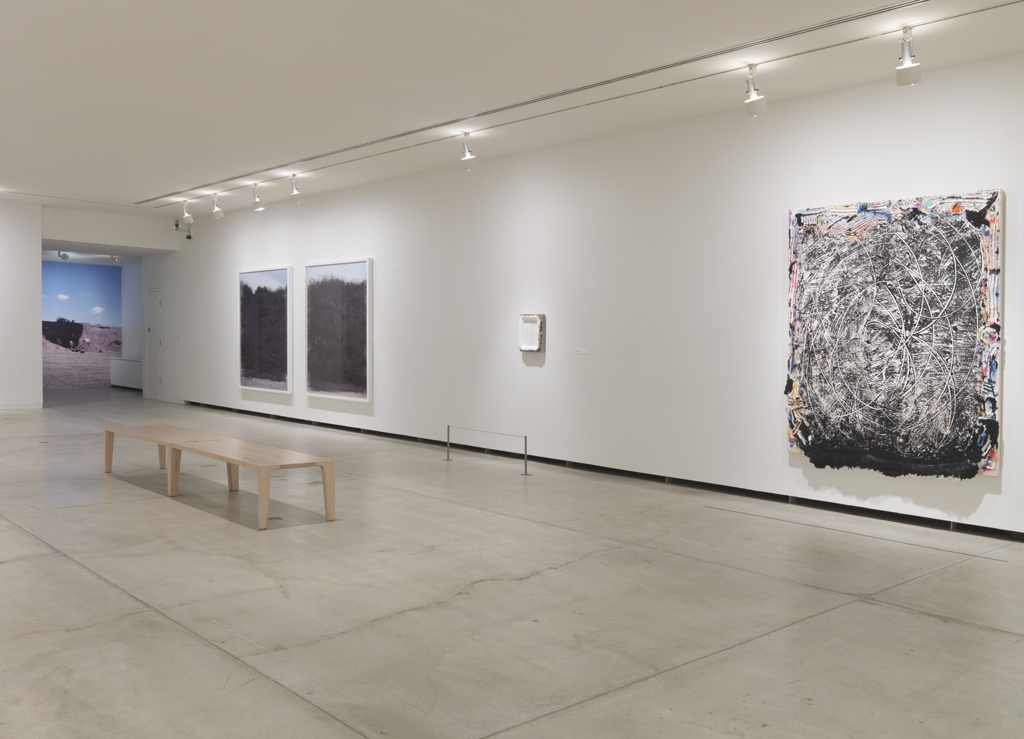
-
Andrew Dadson, Andrew Dadson: Over The Sun – Installation view
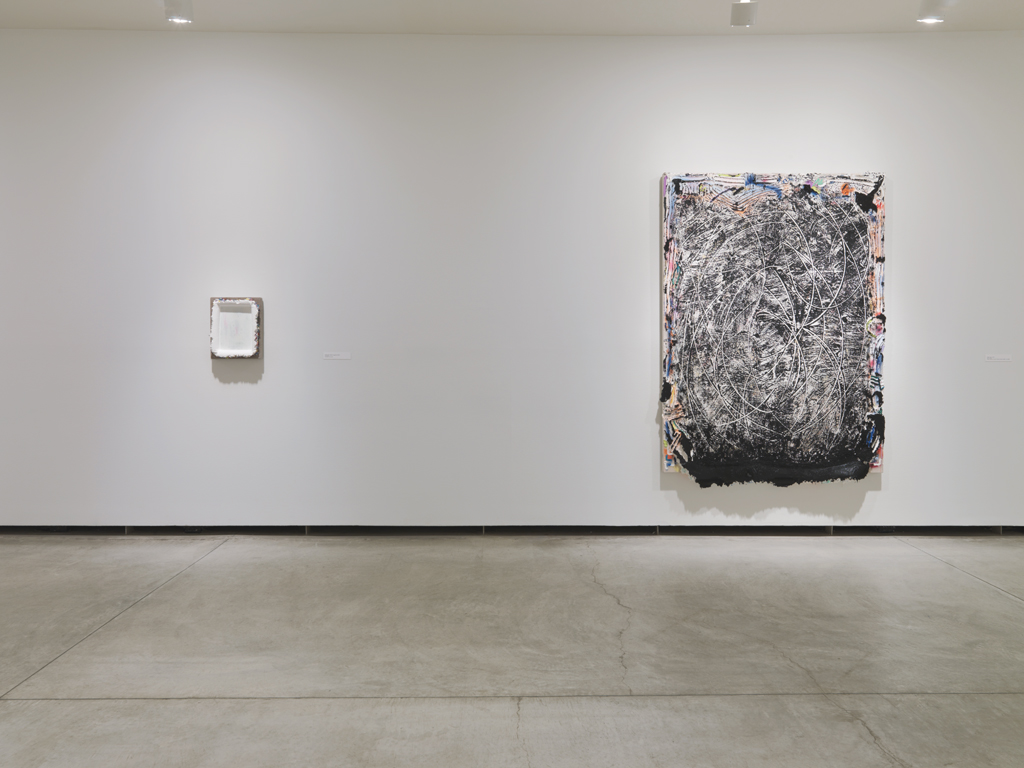
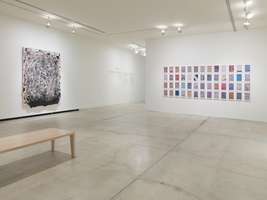
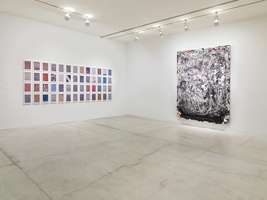
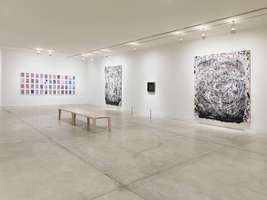
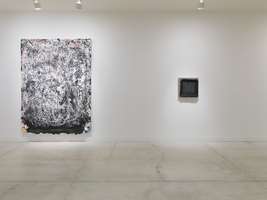
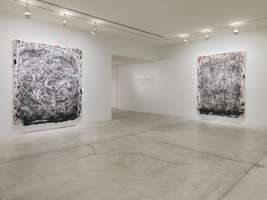
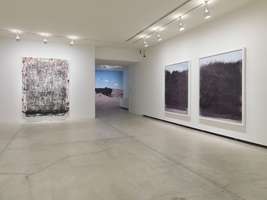
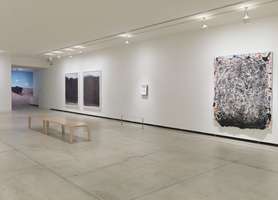
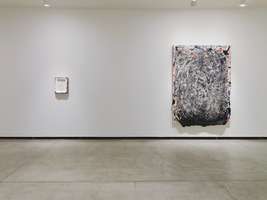
For the latest installment of TD NEXT: A Series of Artist Projects from the Pacific Rim, the Vancouver Art Gallery presents Andrew Dadson: Over the Sun.
Featuring new artworks by Vancouver-based Andrew Dadson, an artist who has been active on the international art stage in recent years, this exhibition explores abstraction in various media and includes several works that are being shown for the first time in Canada.
Andrew Dadson consistently engages with the notion of boundaries in relation to space and time in his painting, performance, photography and works on paper. Highlights of the exhibition include monumental paintings such as High Noon (2014) and Painting Promo (2014), which are time-based artworks that Dadson describes as the result of a “living organic process.” In Black Hill (2014) and Painted Hill (2014), Dadson has taken his project to the suburbs of Vancouver, where he draws attention to the desolation of region by painting the sandy terrain black, documenting the result in the format of inkjet print. Taking its name from one of the earliest known systems of writing, Dadson’s series Cuneiform (2012—ongoing) consists of photographs, primarily taken in Vancouver and Los Angeles, documenting the found mark-making that results from the removal of public posters and advertisements, exposing the residual glue that held them in place. Each image captures the banal applications of glue, which reveal themselves to be surprisingly calligraphic and painterly, manifesting the subconscious potential for abstract art inherent everywhere.
The title of the exhibition references the opera Victory Over the Sun, for which Russian artist Kazimir Malevich (1879–1935) produced costumes and set designs in 1913. That same year, Malevich painted his revolutionary Black Square, considered to be the first manifestation of abstract art. In his exhibition, Dadson most directly evokes Malevich’s legacy in Black Square Re-stretch (2015), a small but powerful square canvas in which black paint is the final application over numerous previous multi-coloured layers. Like Malevich, Dadson has created his own abstract visual language; by expanding on these ideas through his performative acts, Dadson forges a dialogue between abstraction and the world around him.
The Gallery is very grateful for the generous support to the exhibition provided by Phil Lind. “When I first saw Andrew Dadson’s artworks in 2004, I was immediately drawn to the conceptual nature that he builds upon in his abstraction. Dadson is truly unique as a painter—when asked about his source of inspiration, he often cites multidisciplinary artists such as Nam June Paik and Paul McCarthy, rather than the painters one might expect,” said Phil Lind. “I am delighted to support the presentation of these works by this