

-
Arturo Herrera, Arturo Herrera – Installation view
-
Arturo Herrera, Arturo Herrera – Installation view
-
Arturo Herrera, Arturo Herrera – Installation view
-
Arturo Herrera, Arturo Herrera – Installation view
-
Arturo Herrera, Arturo Herrera – Installation view
-
Arturo Herrera, Arturo Herrera – Installation view
-
Arturo Herrera, Arturo Herrera – Installation view
-
Arturo Herrera, Arturo Herrera – Installation view
-
Arturo Herrera, Arturo Herrera – Installation view
-
Arturo Herrera, Arturo Herrera – Installation view
-
Arturo Herrera, Arturo Herrera – Installation view
-
Arturo Herrera, Arturo Herrera – Installation view
-
Arturo Herrera, Arturo Herrera – Installation view
-
Arturo Herrera, Arturo Herrera – Installation view
-
Arturo Herrera, Arturo Herrera – Installation view
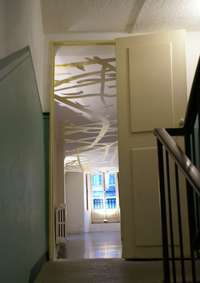
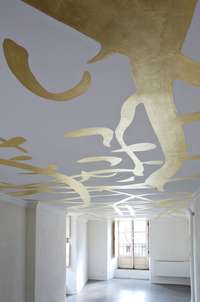
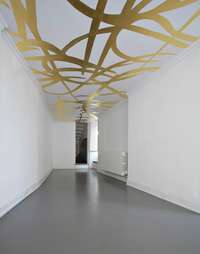
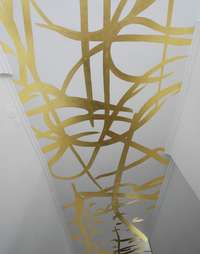
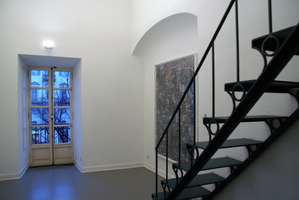
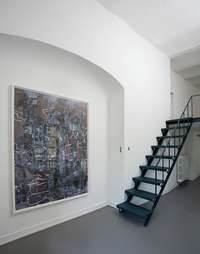
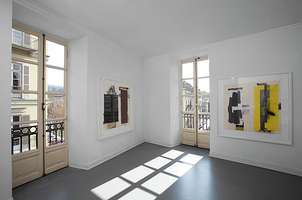
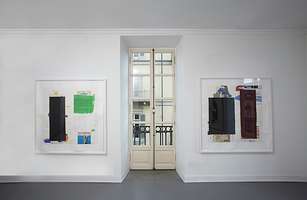
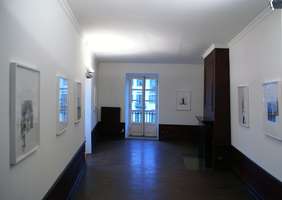
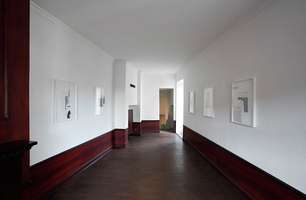
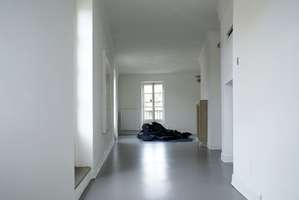
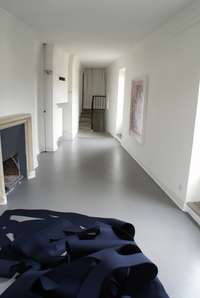
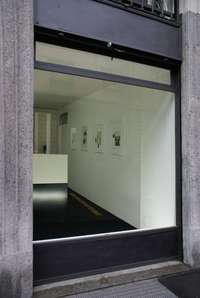
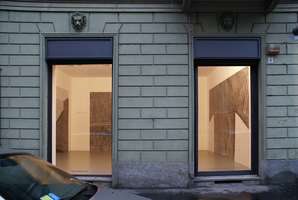
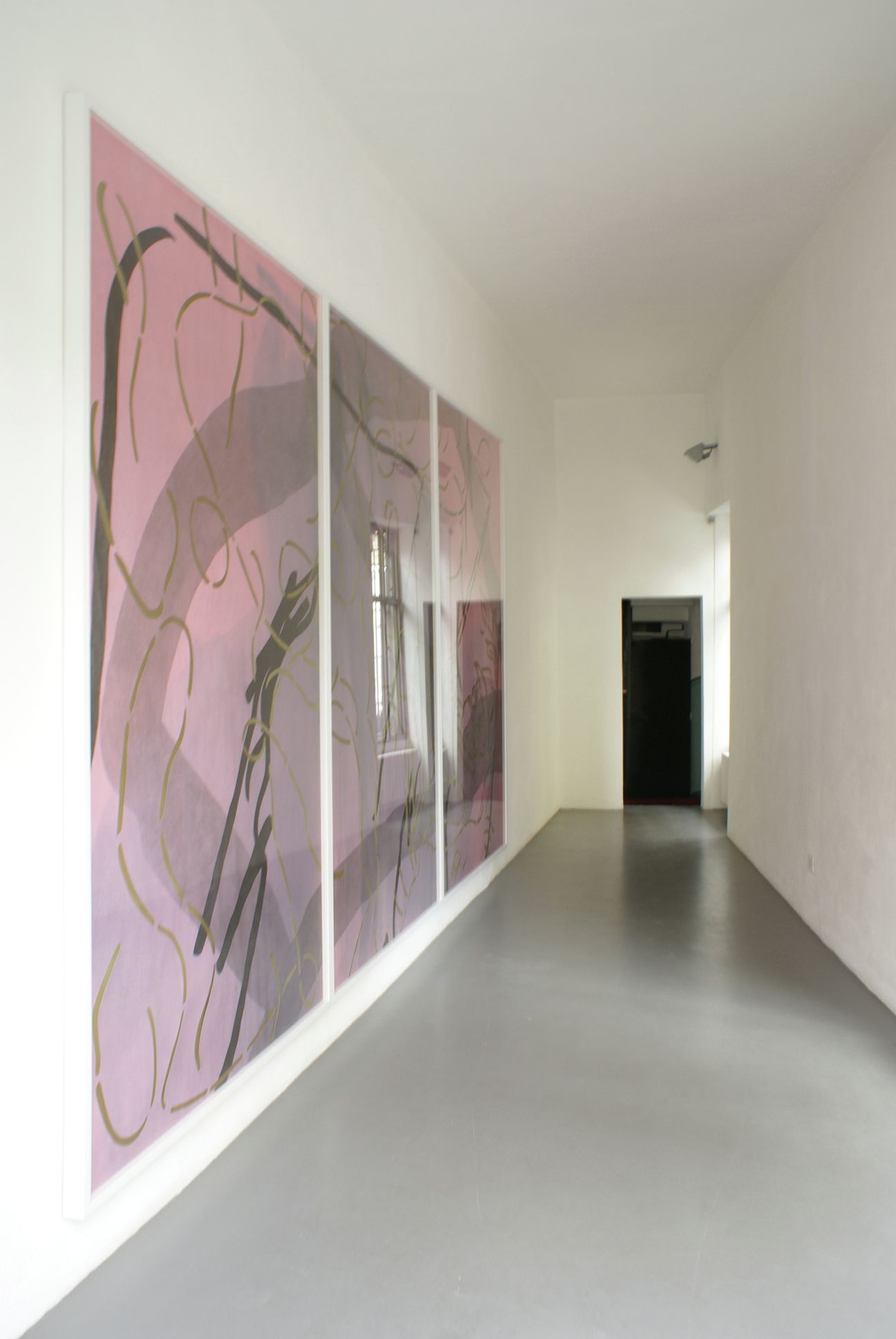
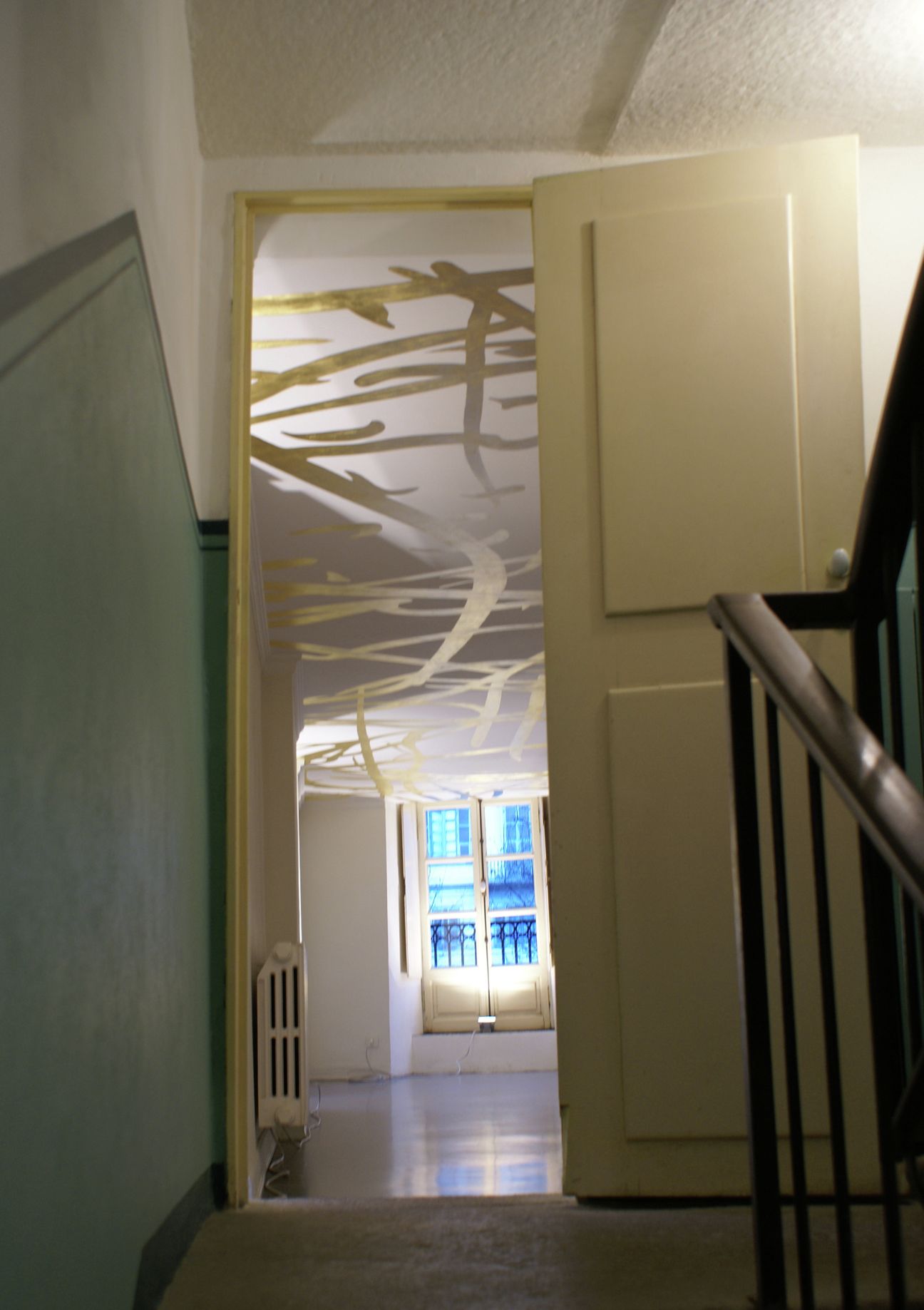
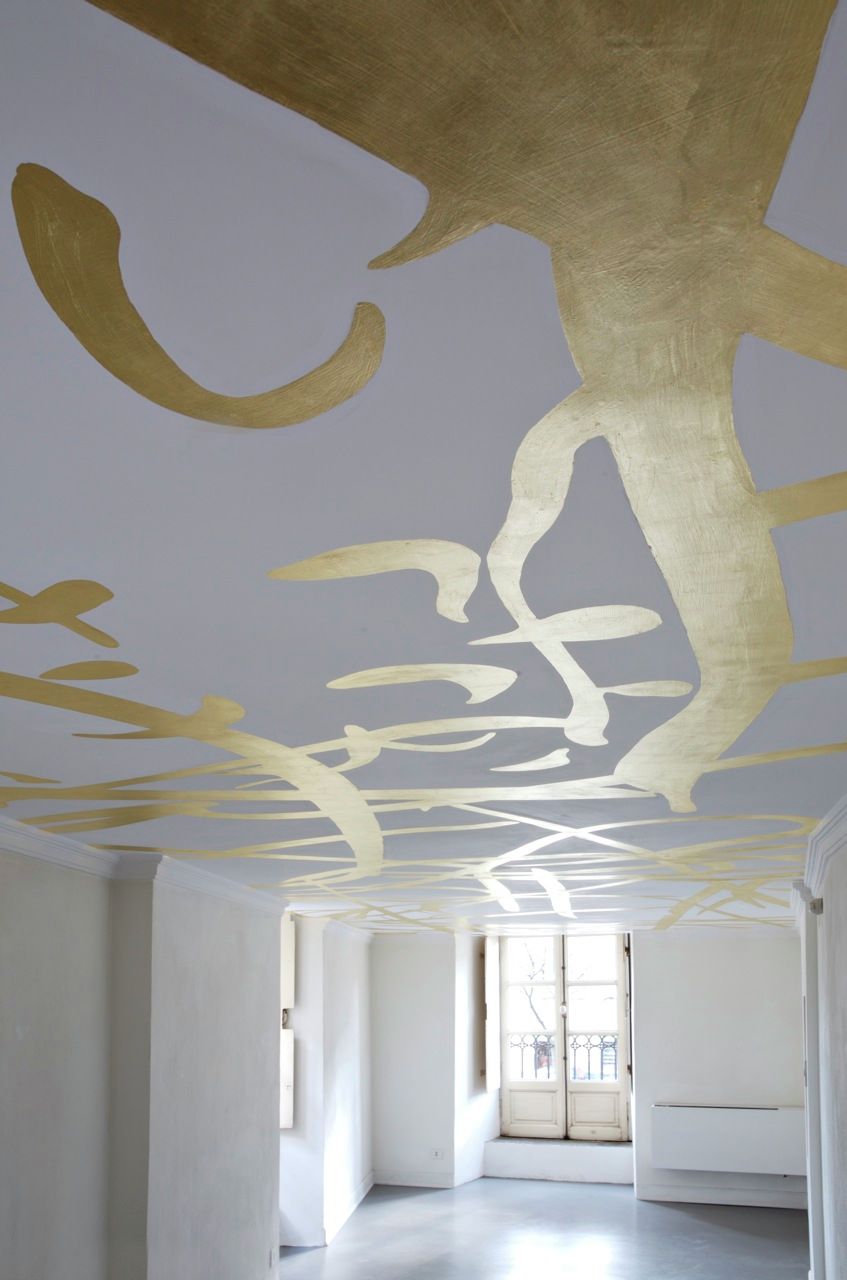
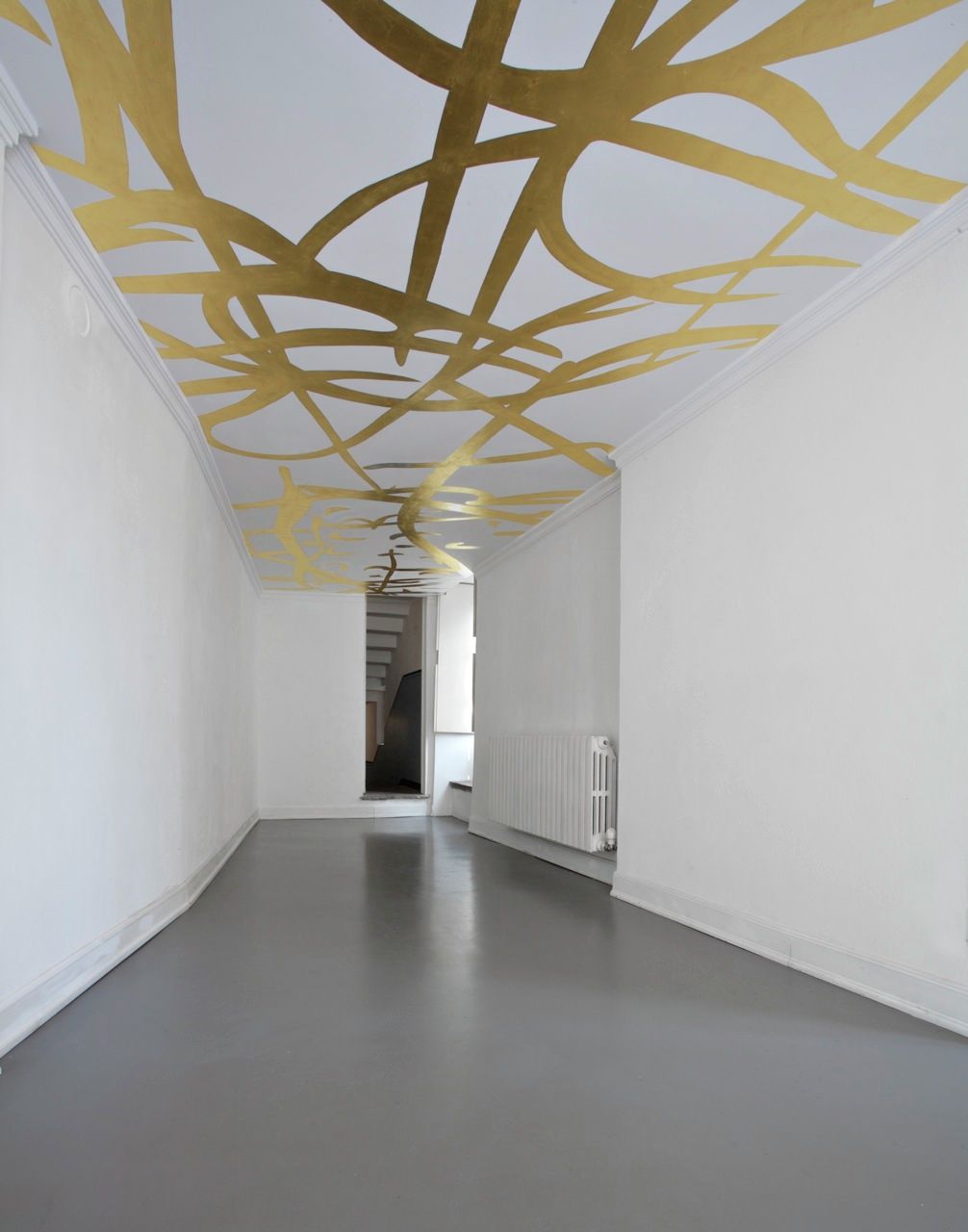
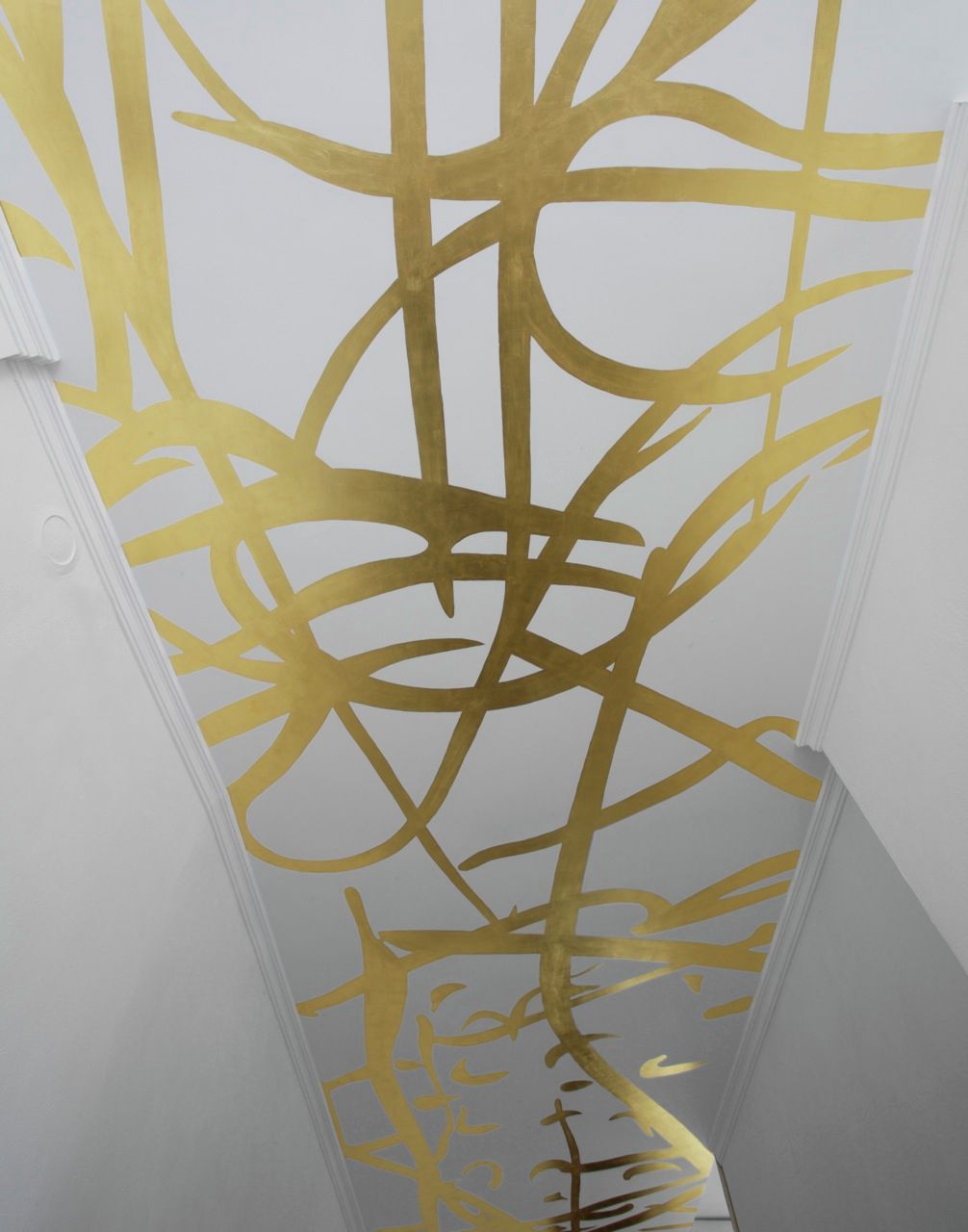
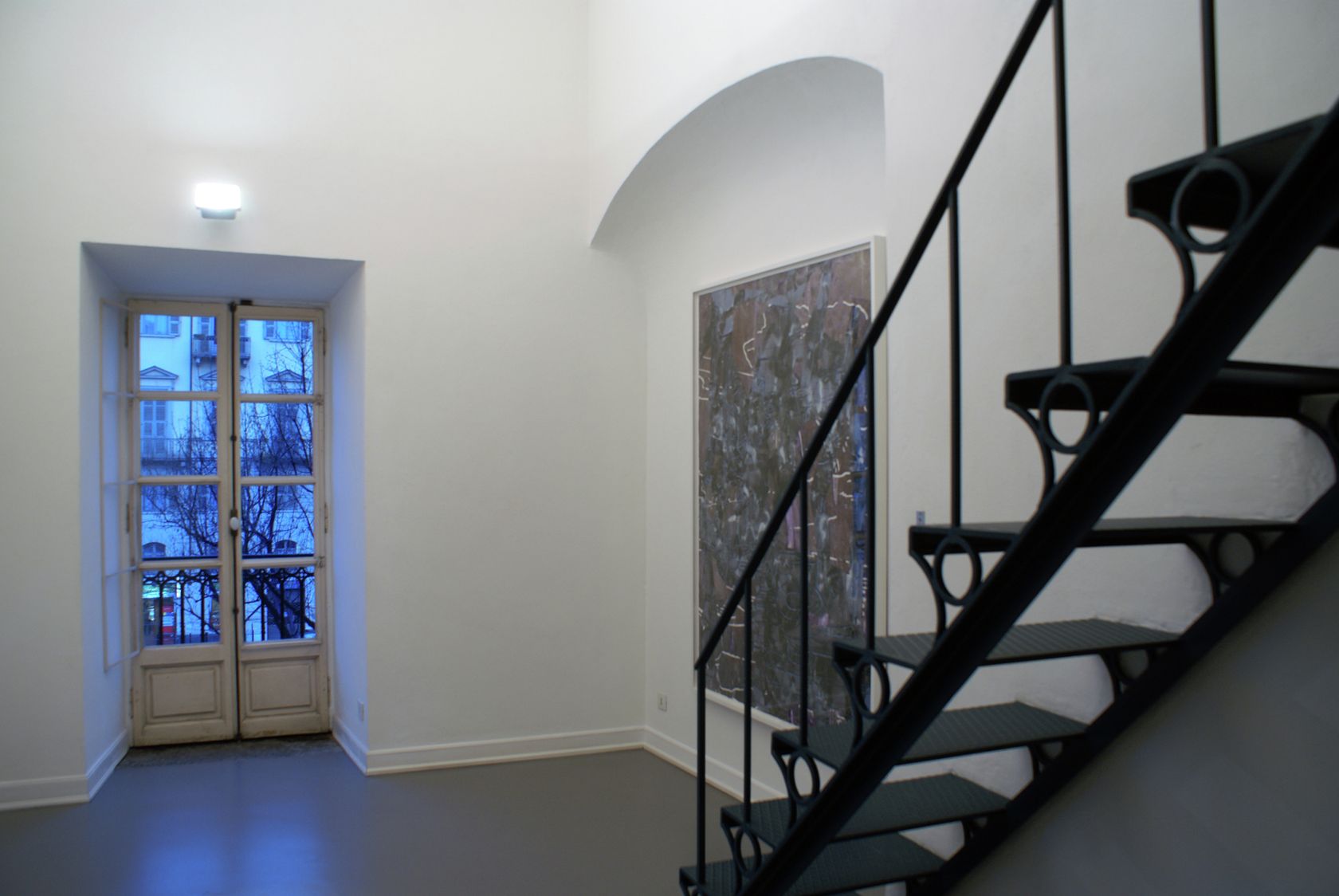
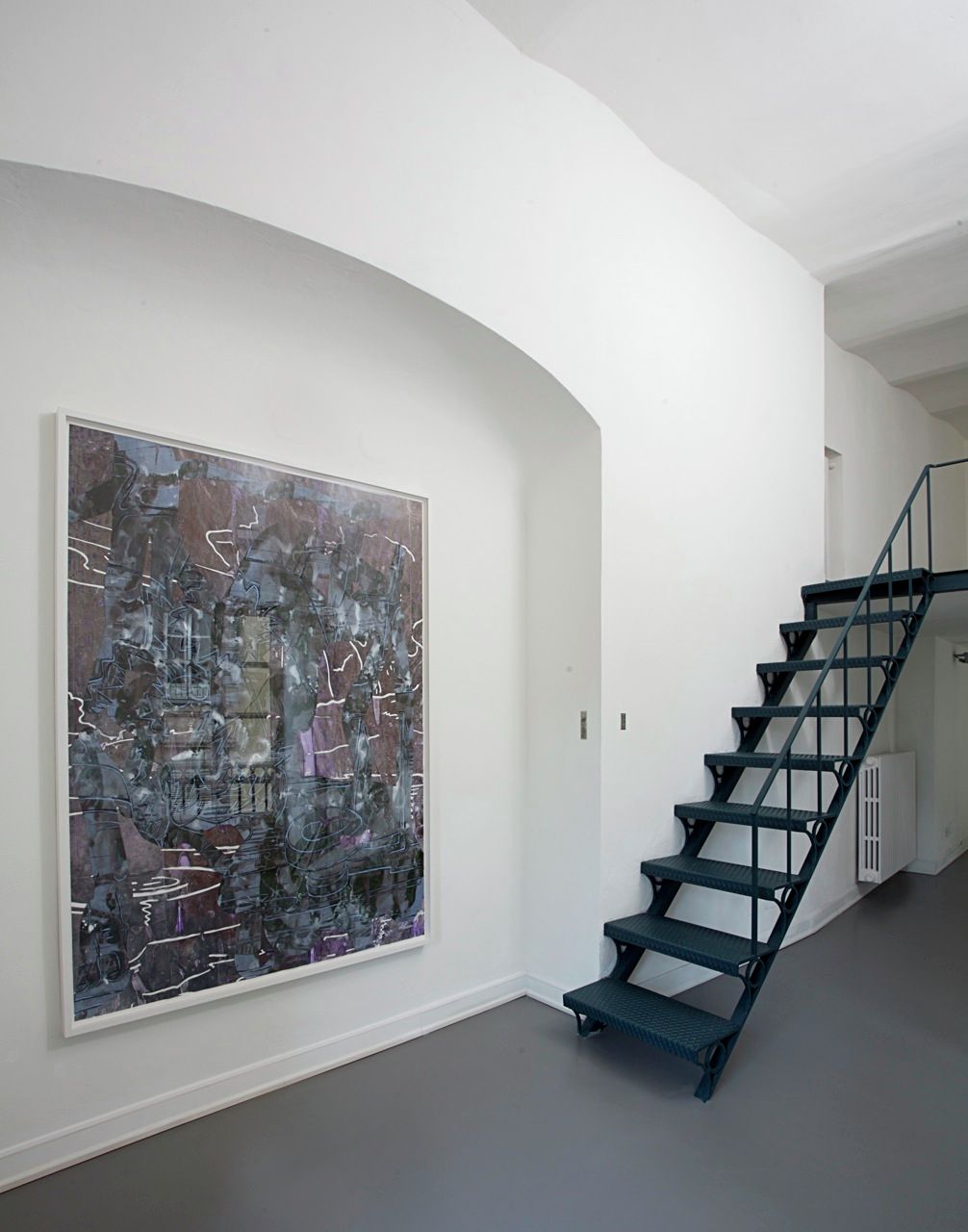
For his second solo exhibition in Torino at Galleria Franco Noero, Arturo Herrera continues to intervene into a variety of popular culture sources to critically ask the legibility and effectiveness of abstract forms at large.
Attempting to redefine the relation between recognizable appropriated images and modernism, the artist taps into a collectively accessible set of meanings to articulate them differently. The new definition or reorganization of the fragments of the modernist abstraction project proposes another condition: that of being neither legible nor abstract.
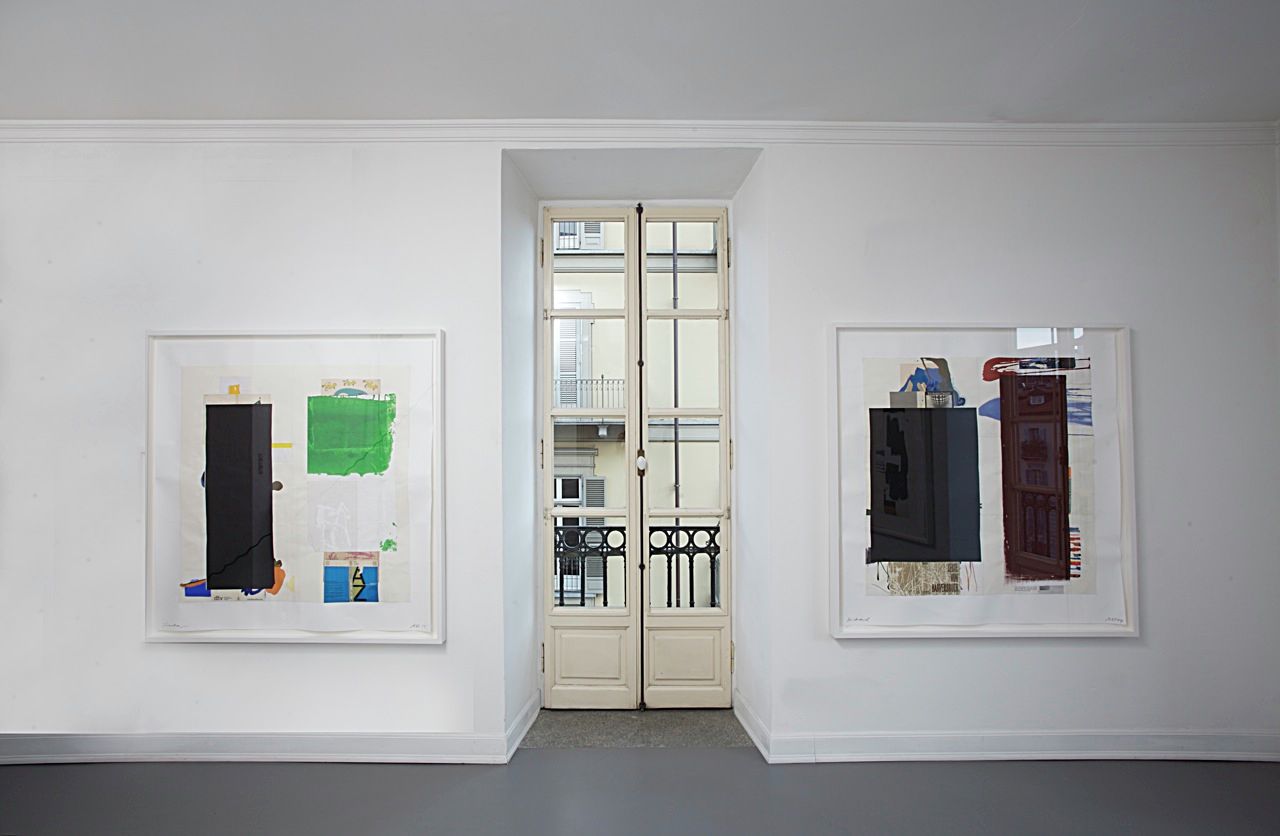
Embracing both mass culture and modernist strategies such as fragmentation and re-composition, the artist delves into an area full of associations that he hopes to make meaningful for public evidence. Herrera!s polluted abstract art combines the easy legibility of everyday sources and the critical opacity of abstraction to propose another dissected and contradictory reality. In collages, cut felts, photography and wall paintings, the artist sets up a never solved tension between perception and recognition. More than eradicating and fragmenting the image, Herrera dislocates and fragments abstraction!s legibility.
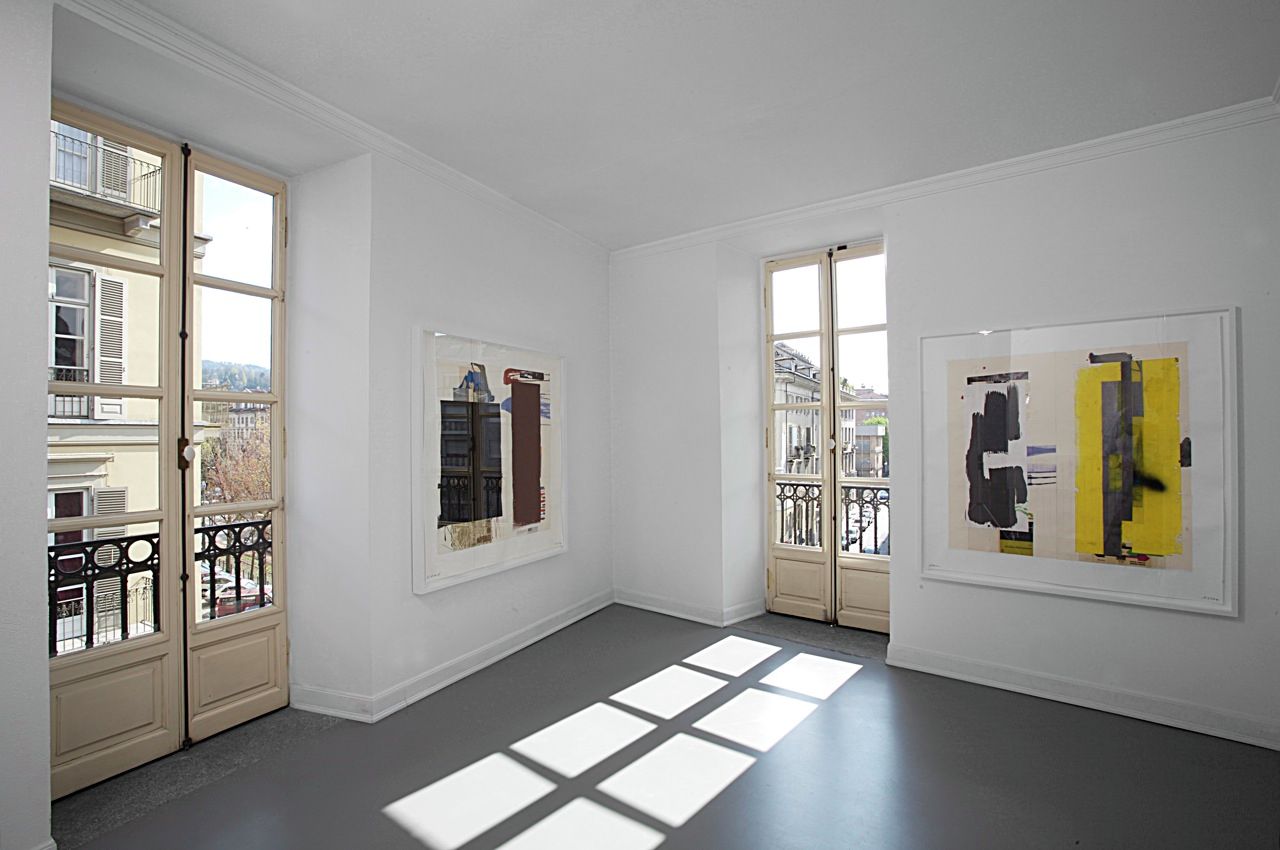
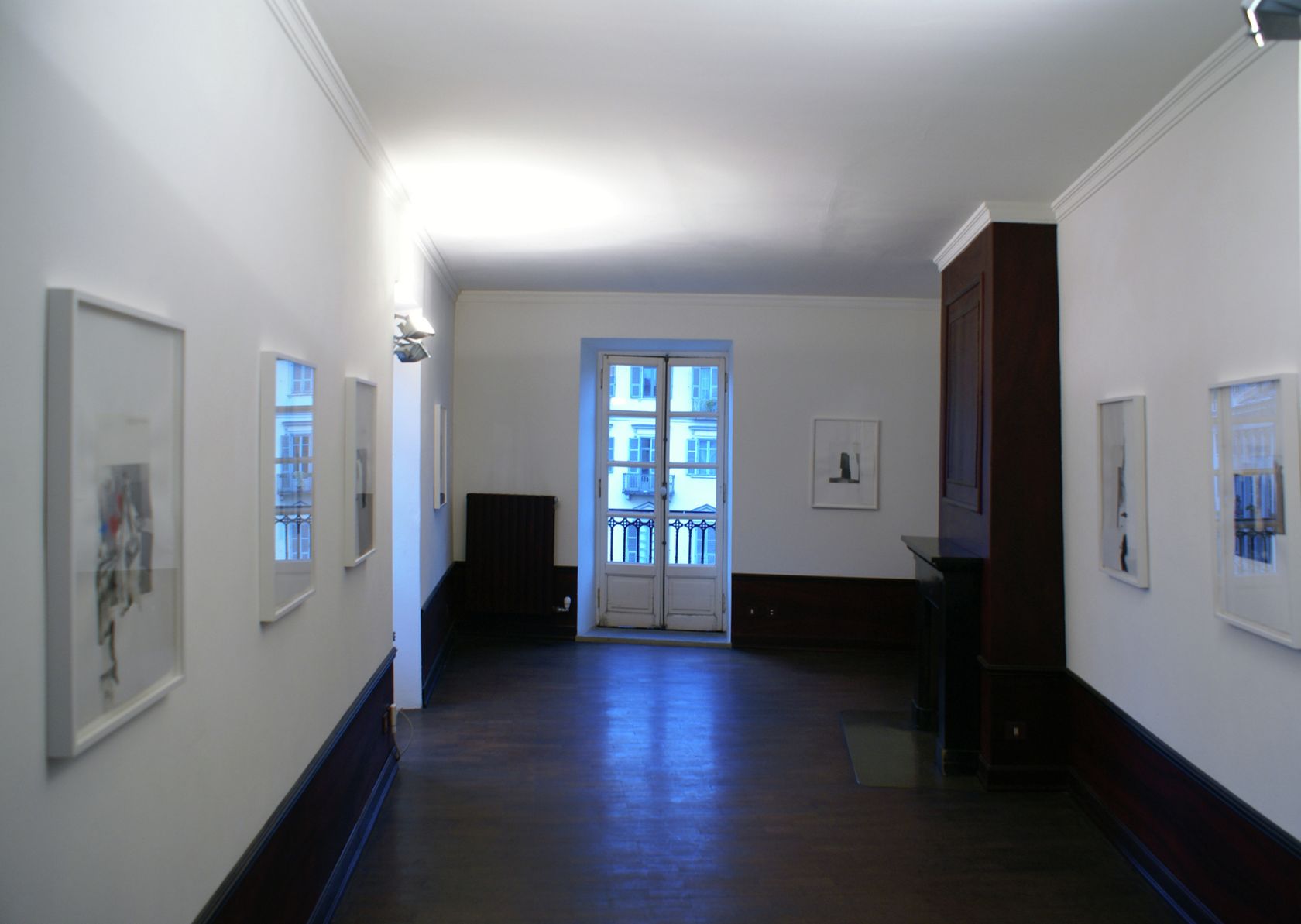
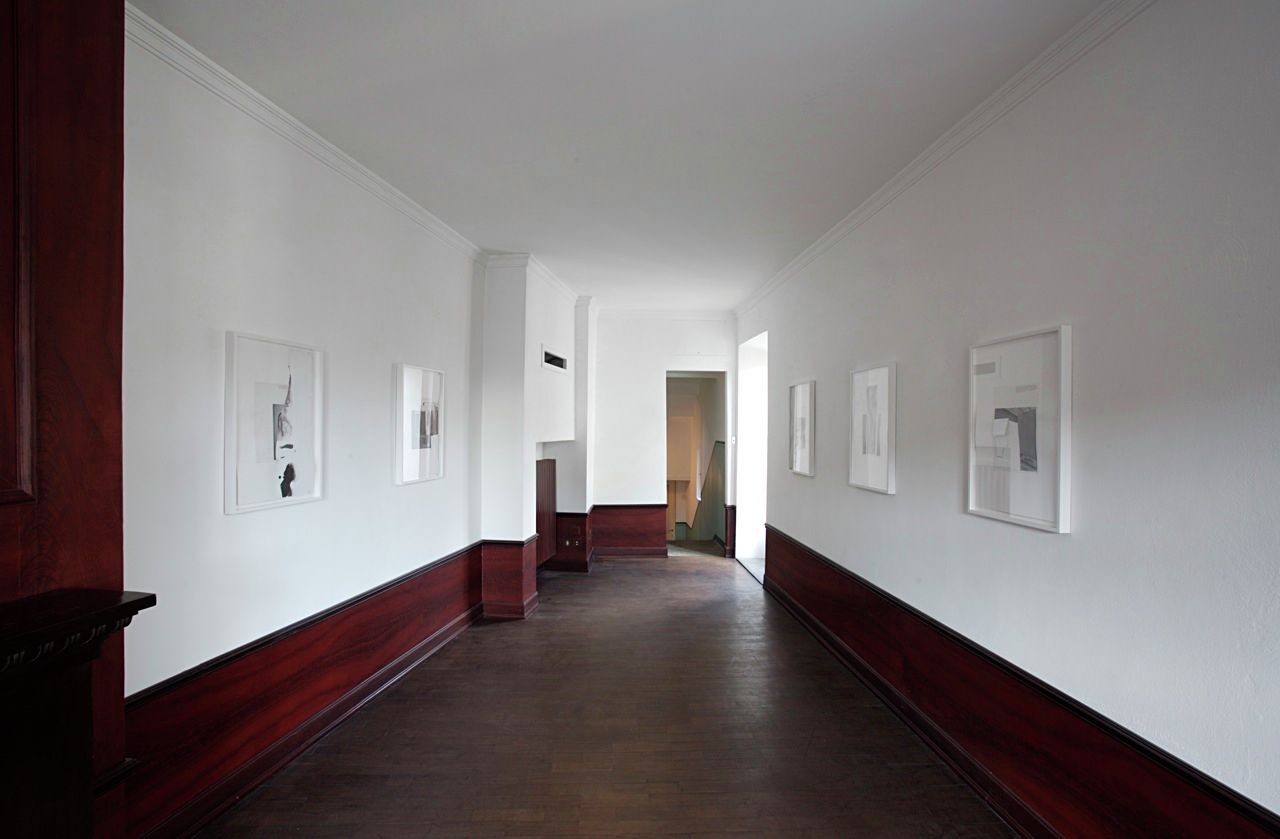
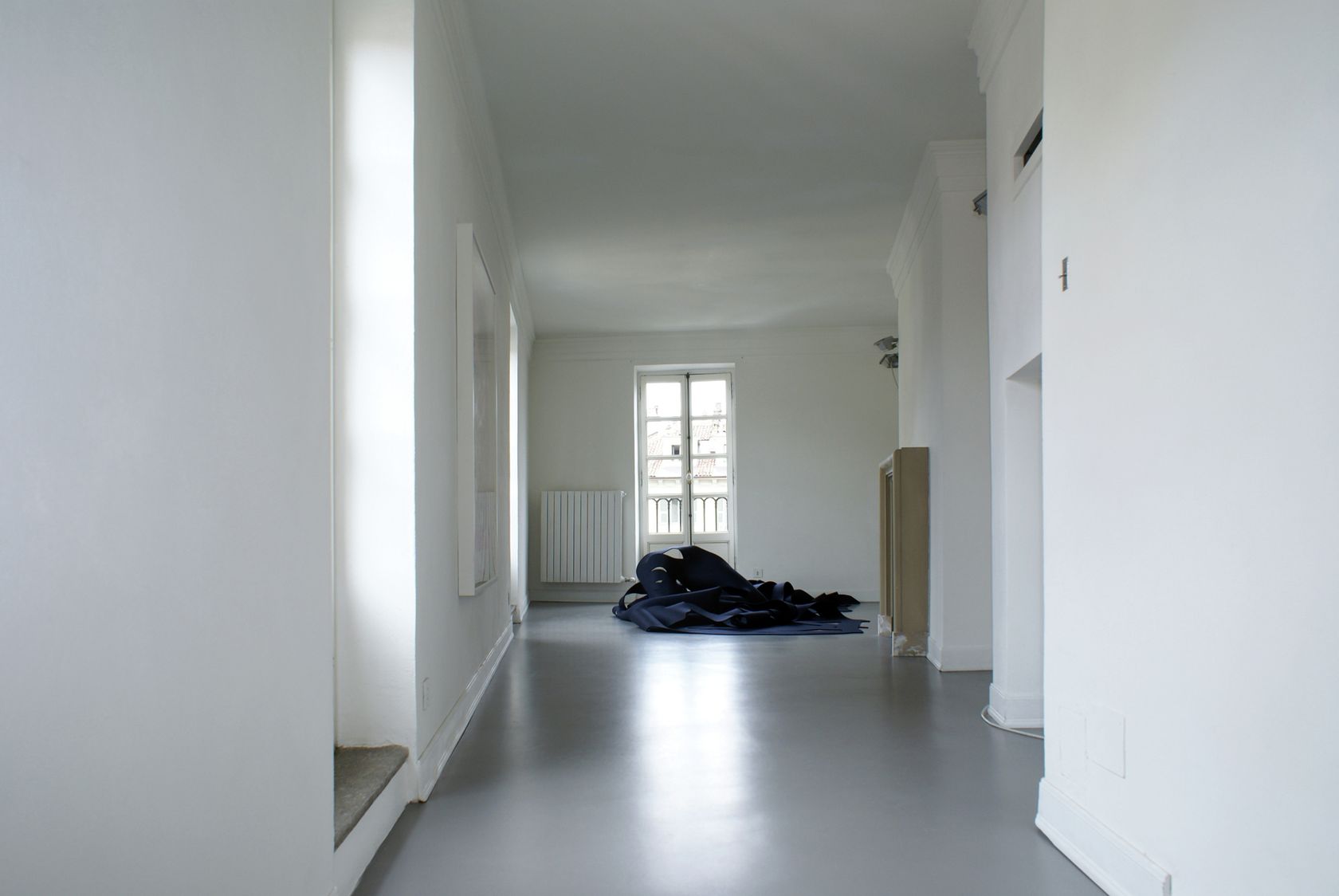
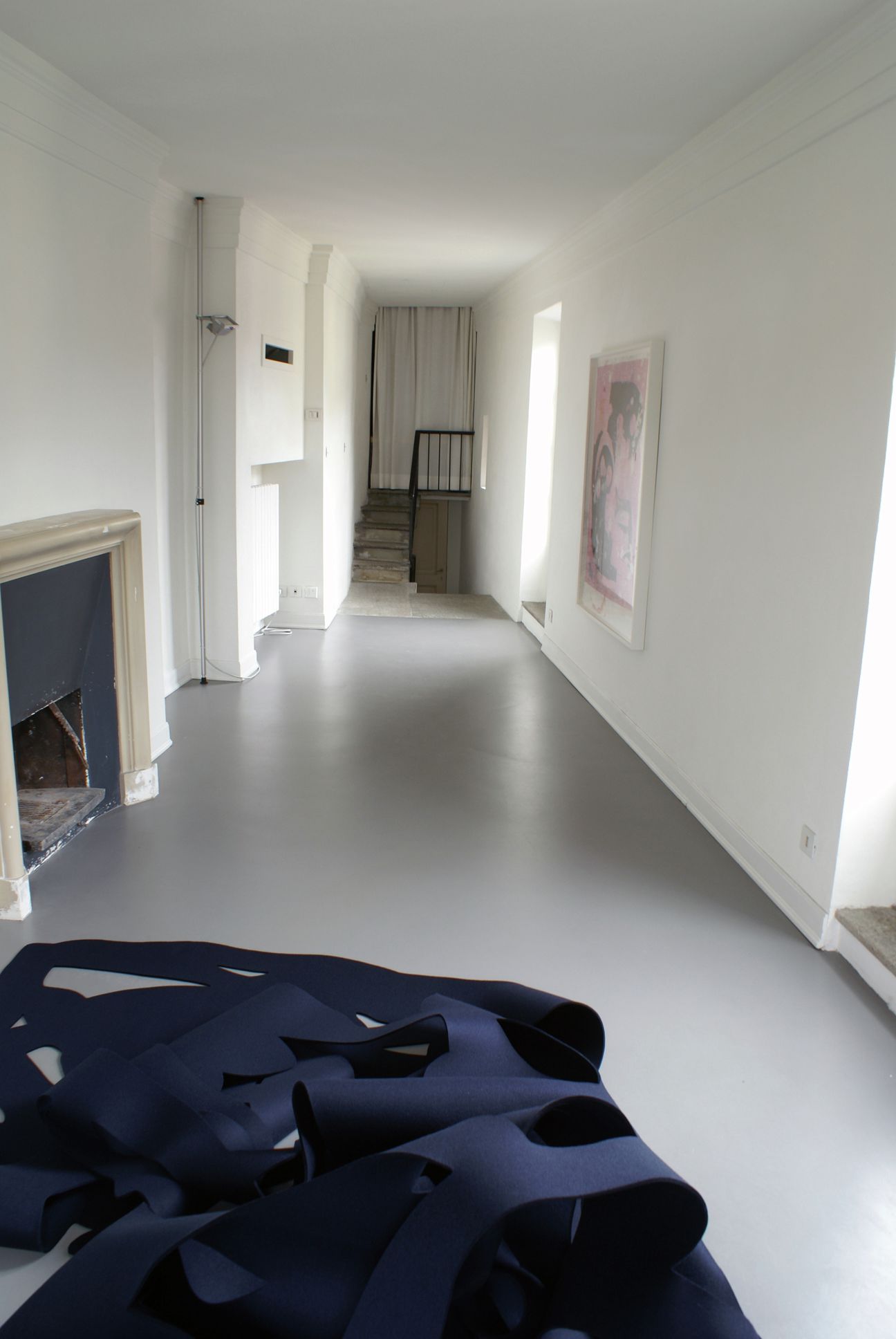
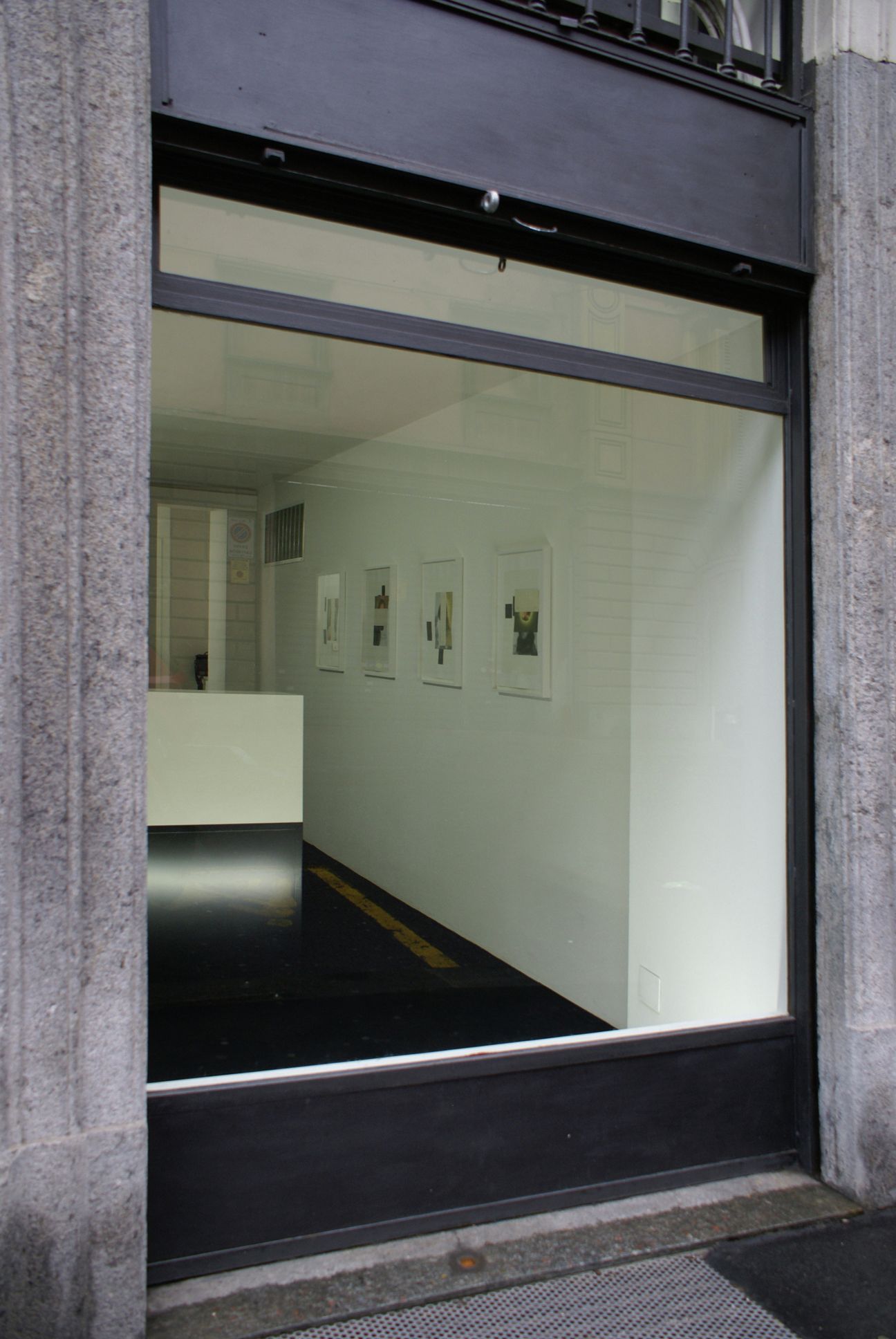
Herrera's project for the gallery includes several series of small and large scale collages. A eight meter felt and a wall drawing. All the elements in the exhibition propose a dialogue with Casa Scaccabarozzi!s domestic past and current use as partial home and art gallery. It!s layering of floors and private histories recall the essential aspect of collage of juxtaposing the unrelated to suggest relationships among fragments.
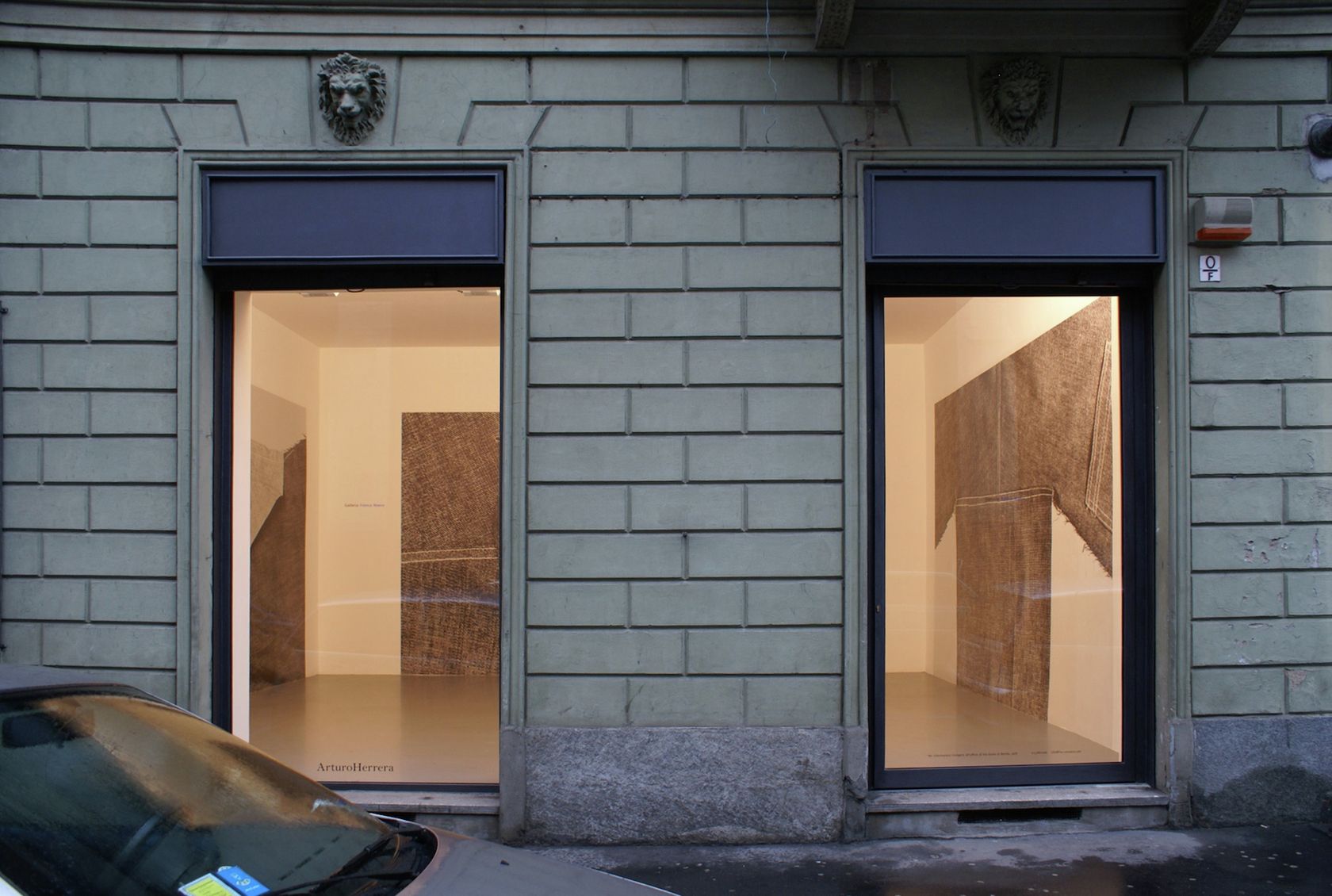
In Piazza Santa Giulia the artist proposes an installation of three large scale collages adapted to the architectural proportions of the project space. The images taken from found book clippings were enlarged to probe the readability of seemingly monumental abstract shapes, suggesting a sense of unfamiliarity rich with associations and ambiguity.