

-
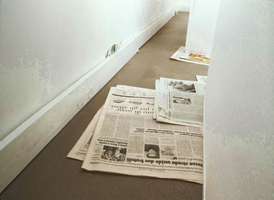
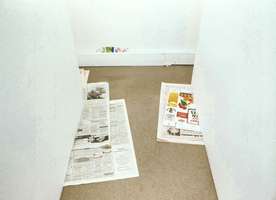
Henrik Olesen, Henrik Olesen – Installation view
-
Henrik Olesen, Henrik Olesen – Installation view
-
Henrik Olesen, Henrik Olesen – Installation view
-
Henrik Olesen, Henrik Olesen – Installation view
-
Henrik Olesen, Henrik Olesen – Installation view
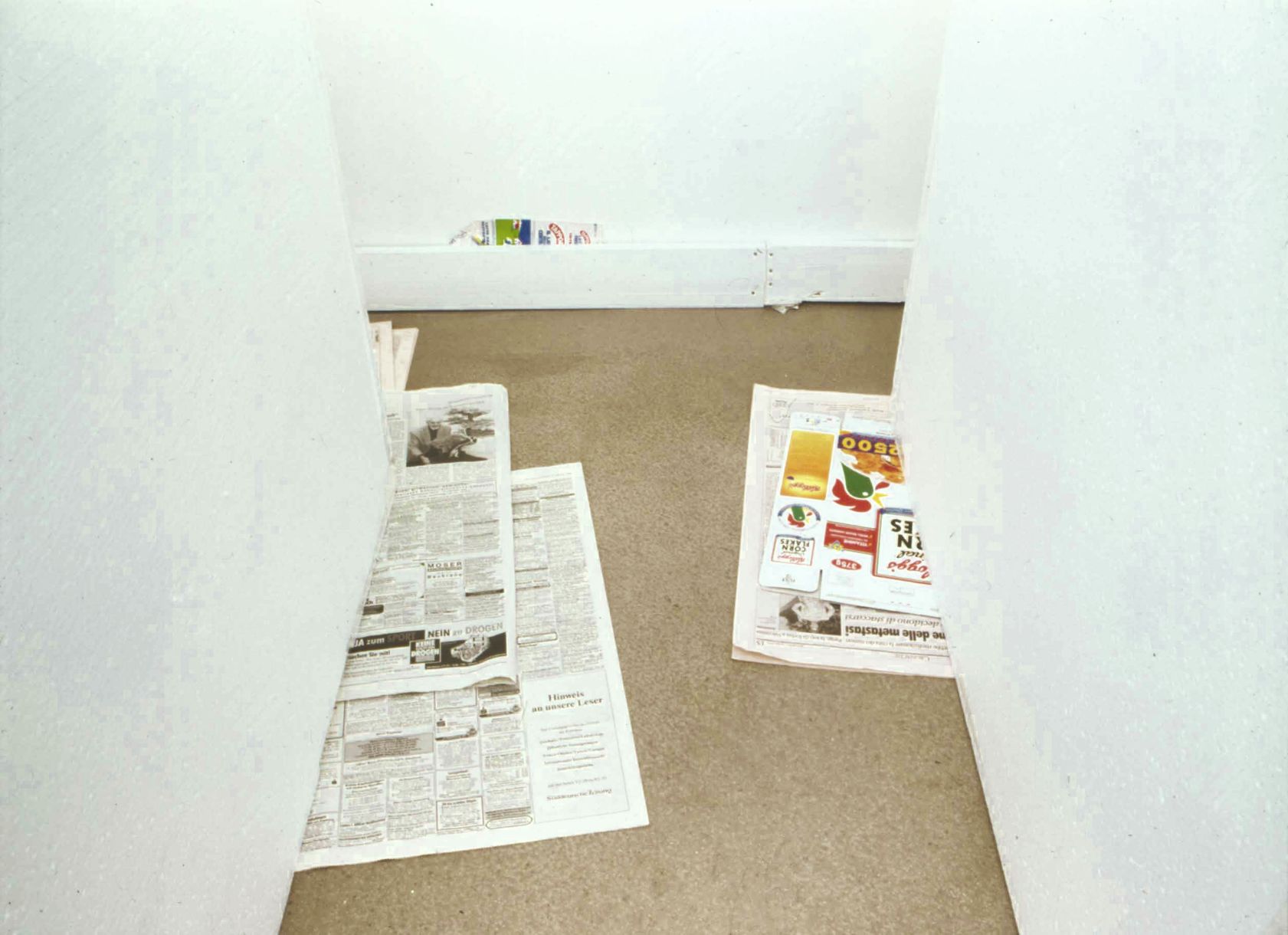
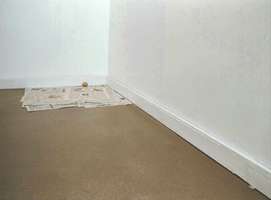
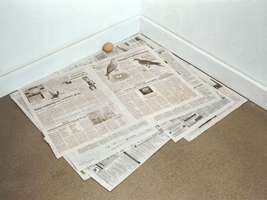
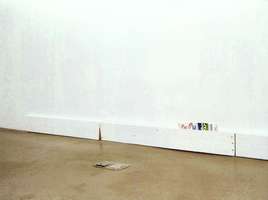
Throughout this century Western culture has been structured by a series of symmetrical, binary conventions. Oppositions such as active vs. passive, natural vs. artificial, same vs. different, heterosexual vs. homosexual constitute a so-called objective and neutral way in which the world is perceived. A consequence of these binary constructions is the marginalization of gays and lesbians and the legal rights of these groups. Homosexuality is viewed as a psychological confusion in relation to gender. That means that gay men are considered woman wannabees trapped in male bodies and that lesbians are said to have an inner desire of being men. These prejudices - that homosexual identity represents a limbo between the two sexes, male and female - are still reflected in contemporary law-making and result in two sets of legal rights: one for the gay population and one for the rest.
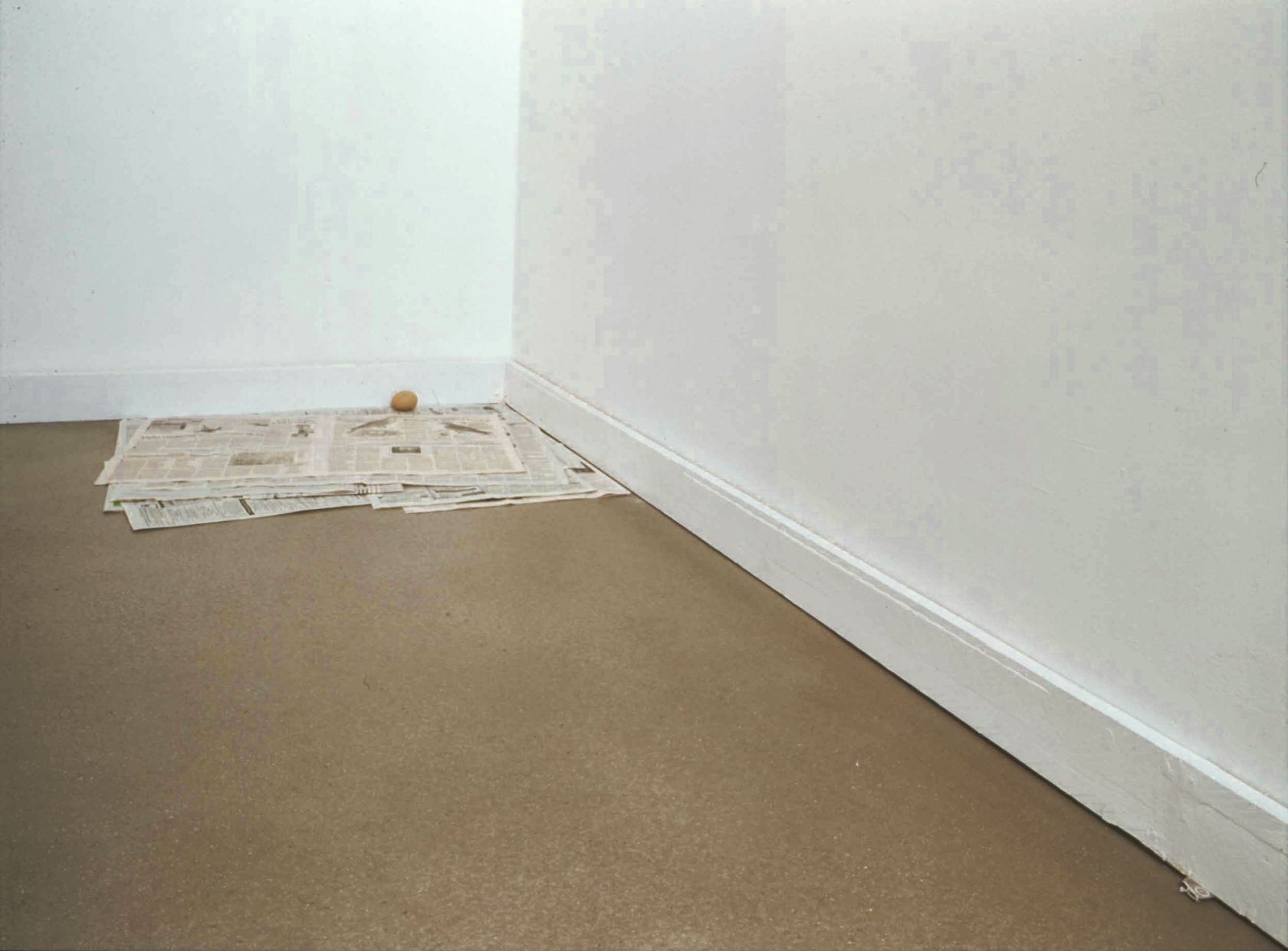
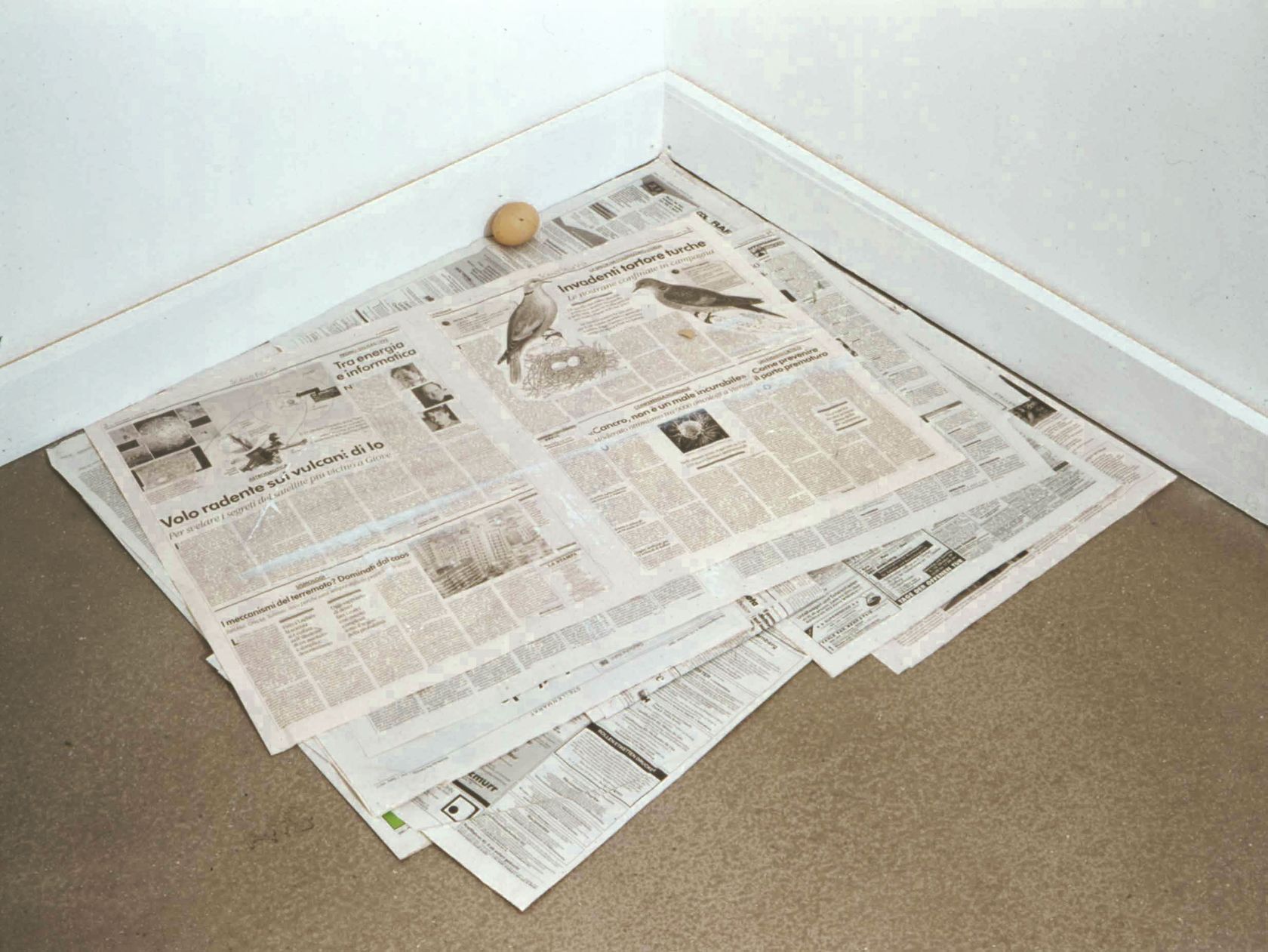
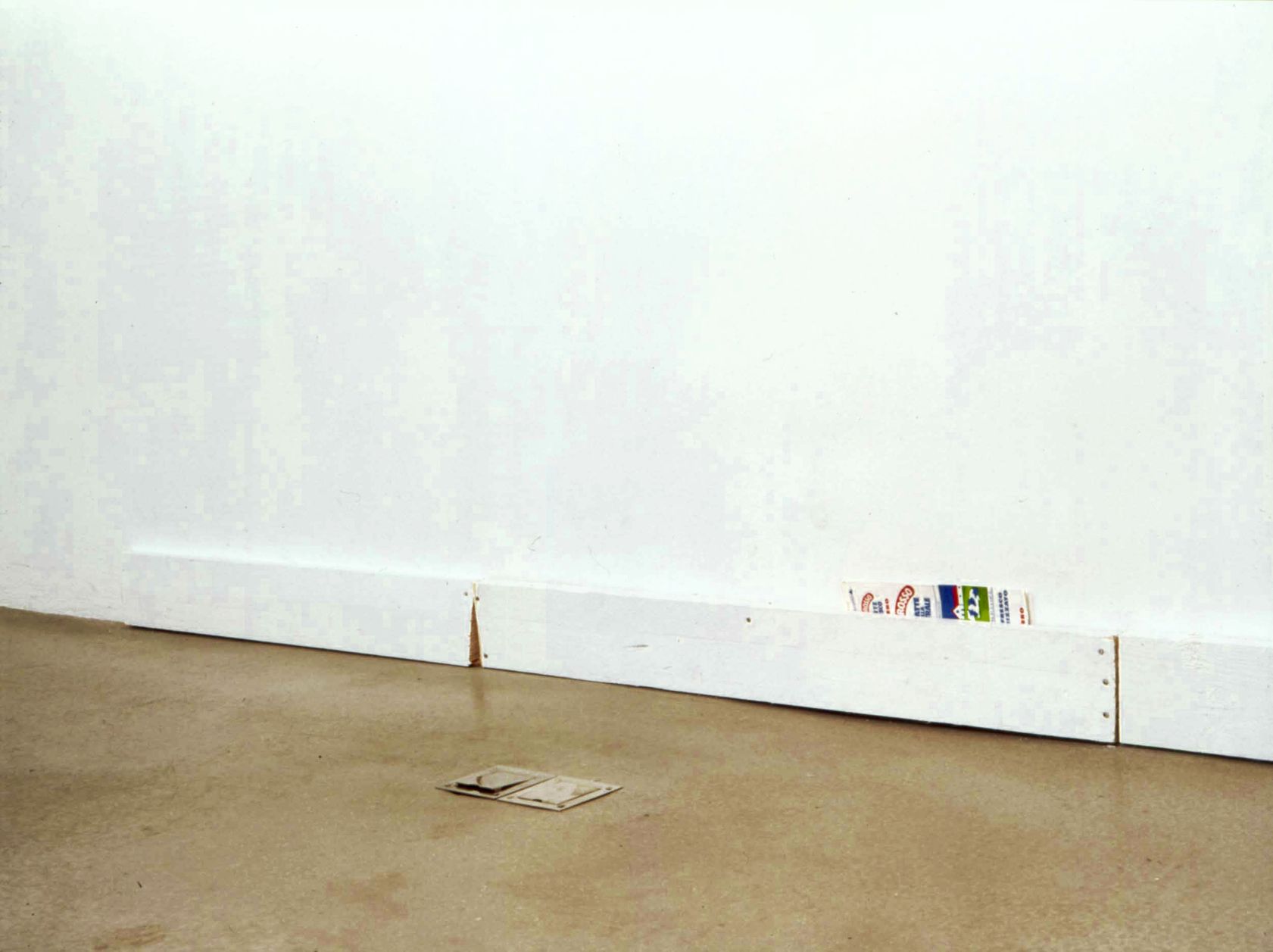
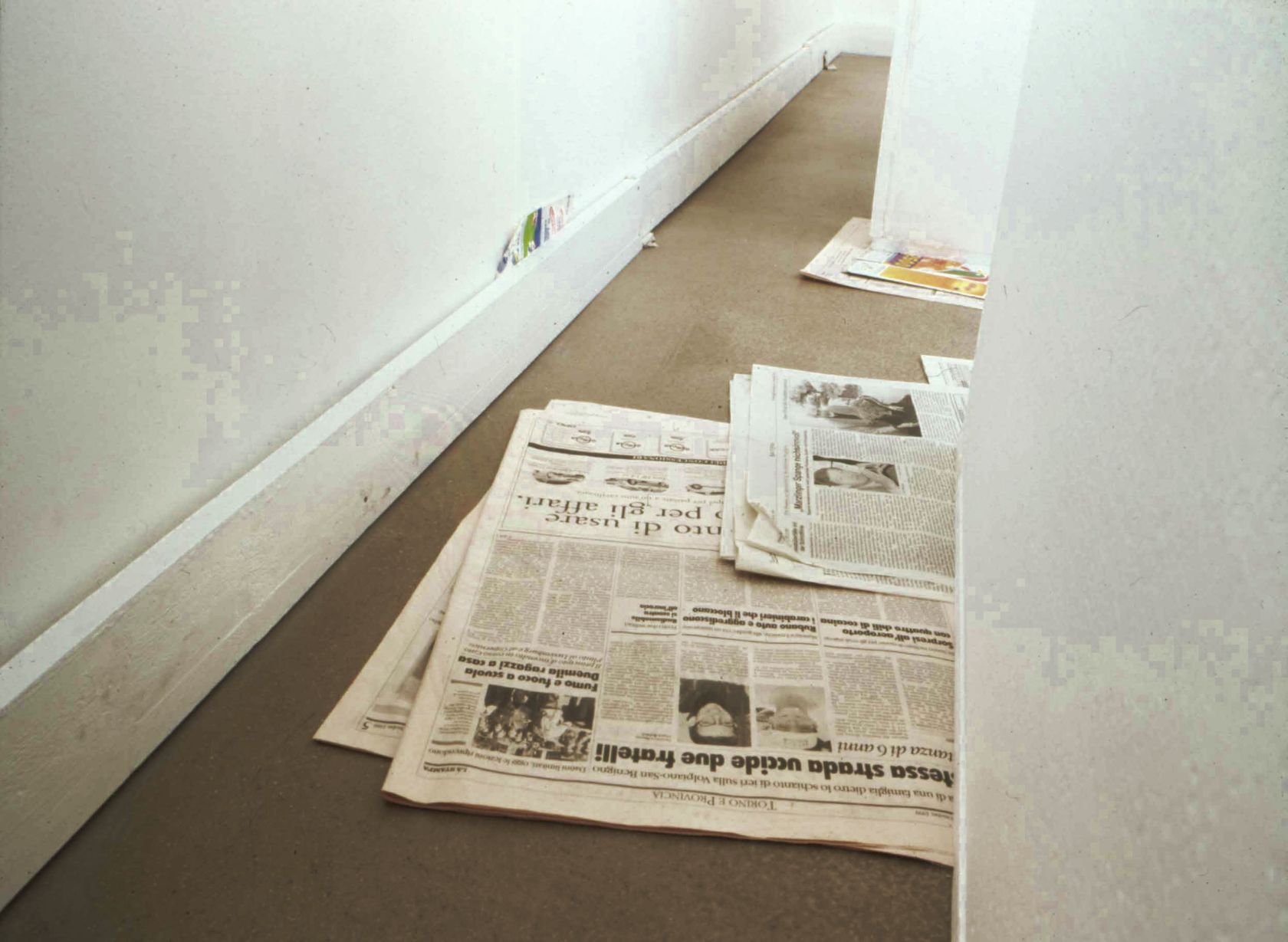
The exhibition at Franco Noero takes its starting point in the problems that arise from binary and symmetrical perception. In contradiction to the way of displaying art in the 19th century, the art institutions of the modernistic era have tried to obtain a clean architectural frame for representing art, to isolate the object from the context. The gallery space is claimed to be such a neutral and non-sexual background for the art presentation. The white symmetrical gallery room contradicts the contemporary conceptual art that focuses on social, architectural and political matters. It is of great importance to point out that our cultural and historical consciousness is bound to our perception of the art object. I have made various interventions in the exhibition space in order to disturb the traditional division between the “feminine interior” and the “masculine exterior”.
Henrik Olesen, October 1999