

-
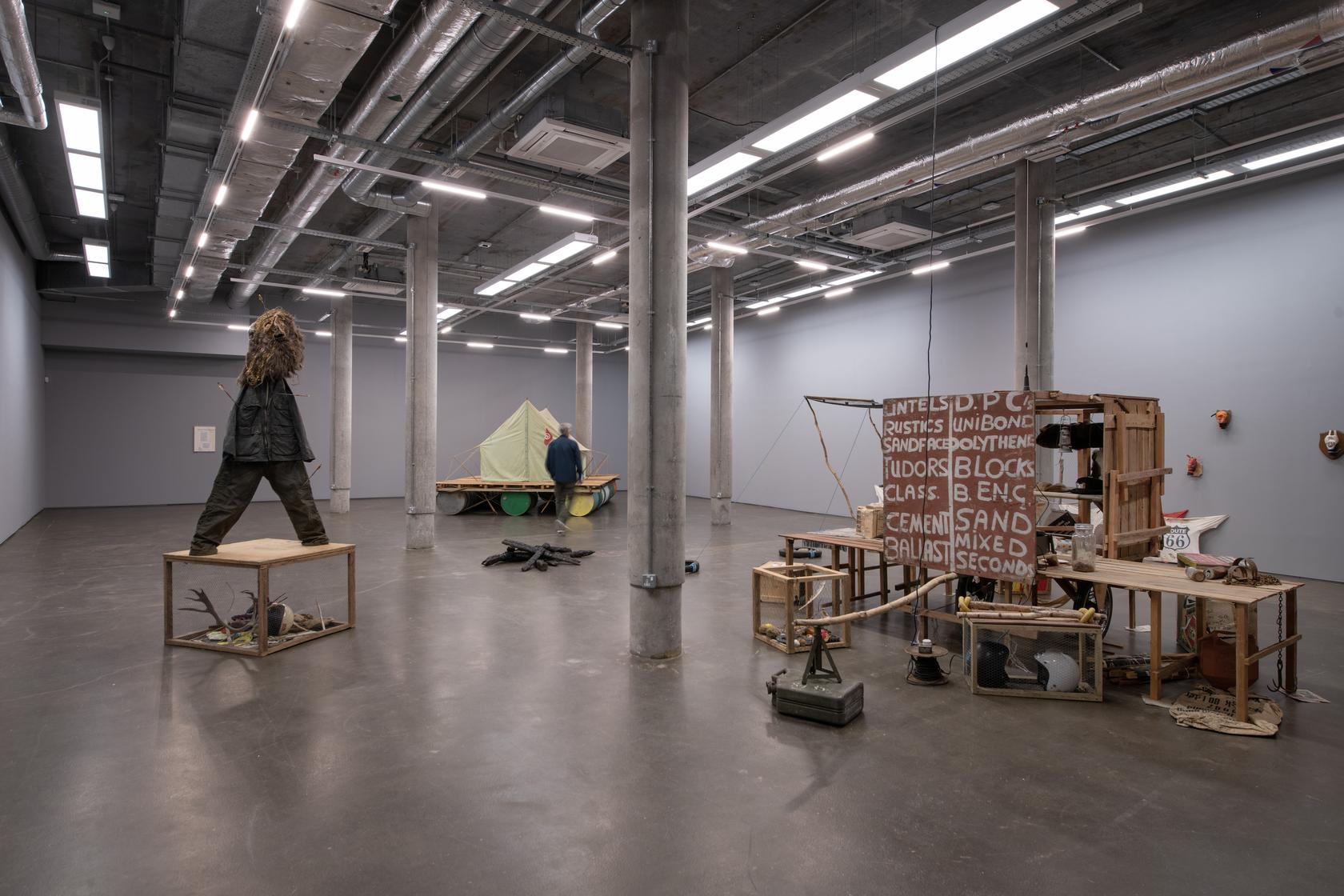
Mike Nelson, Hybrid Scripts – Installation view
-
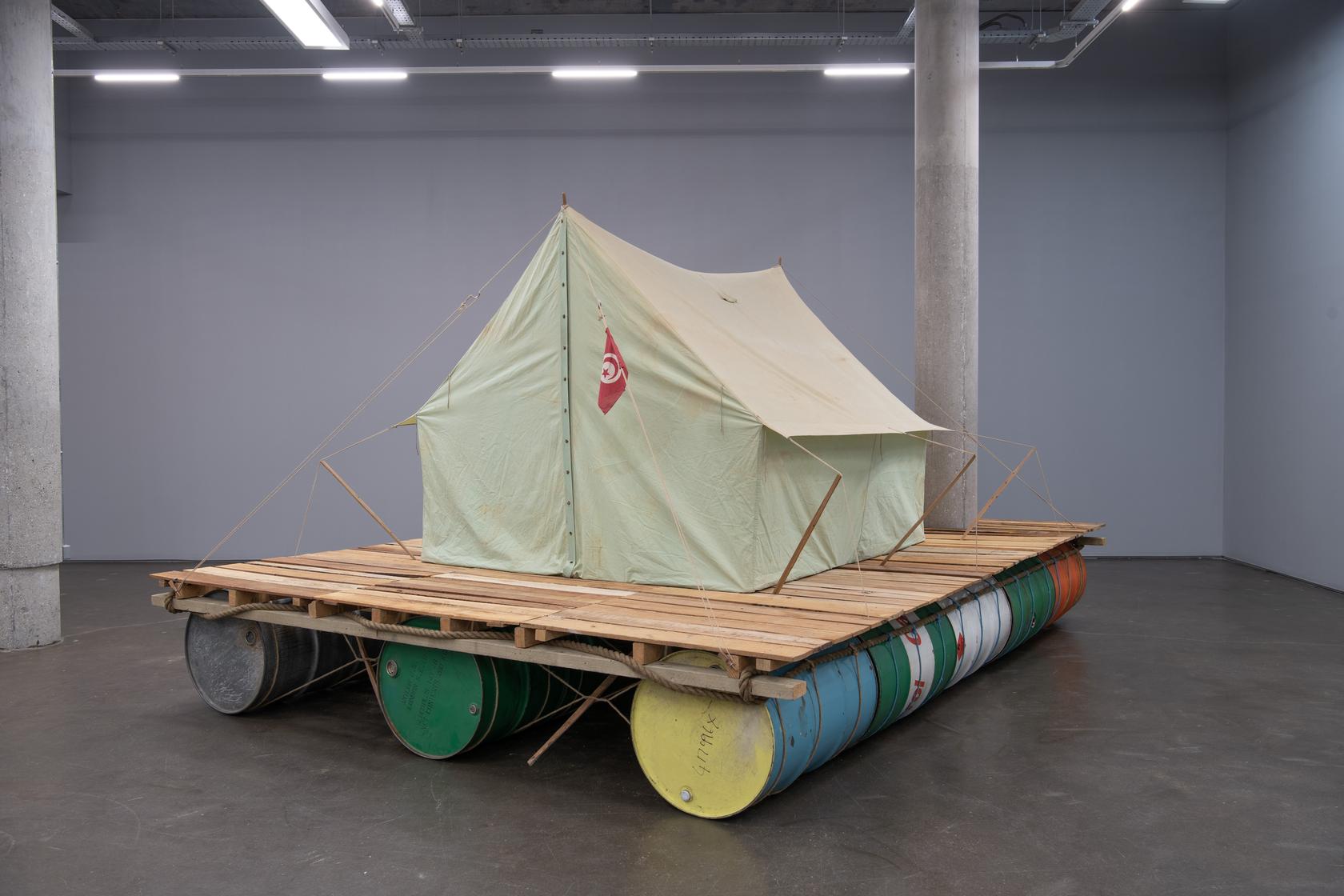
Mike Nelson, Hybrid Scripts – Installation view
-
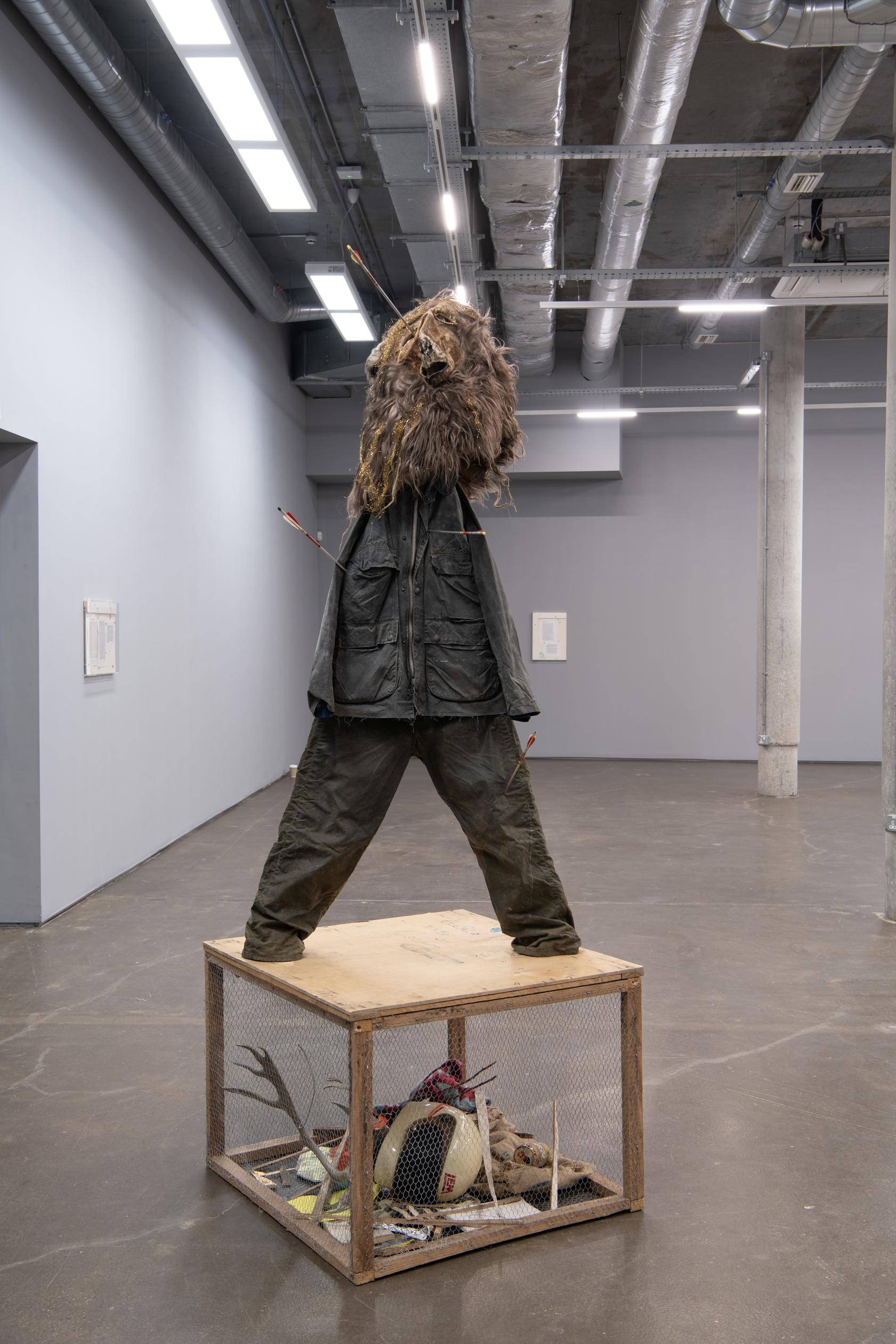
Mike Nelson, Hybrid Scripts – Installation view
-
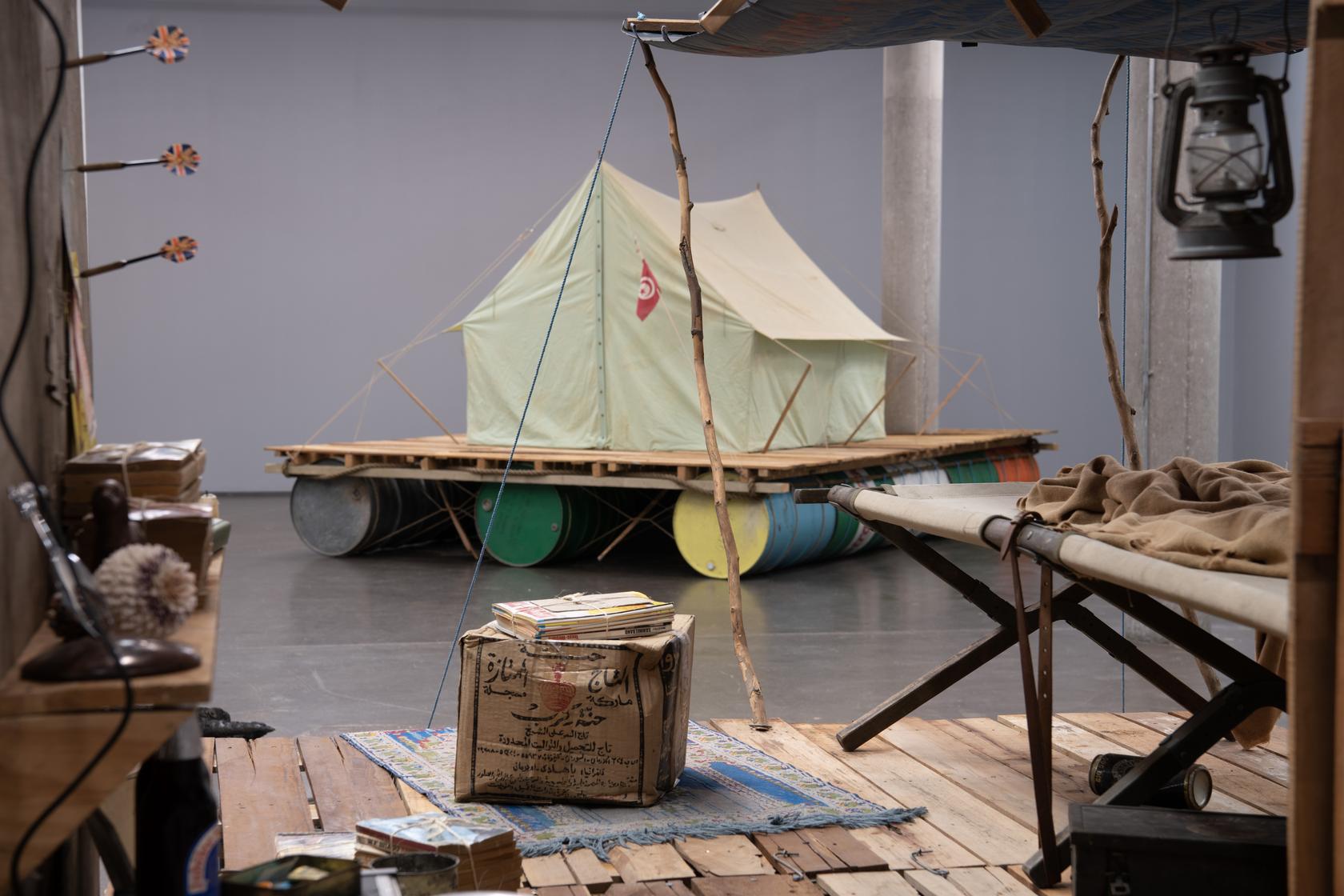
Mike Nelson, Hybrid Scripts – Installation view
-
Mike Nelson, Hybrid Scripts – Installation view
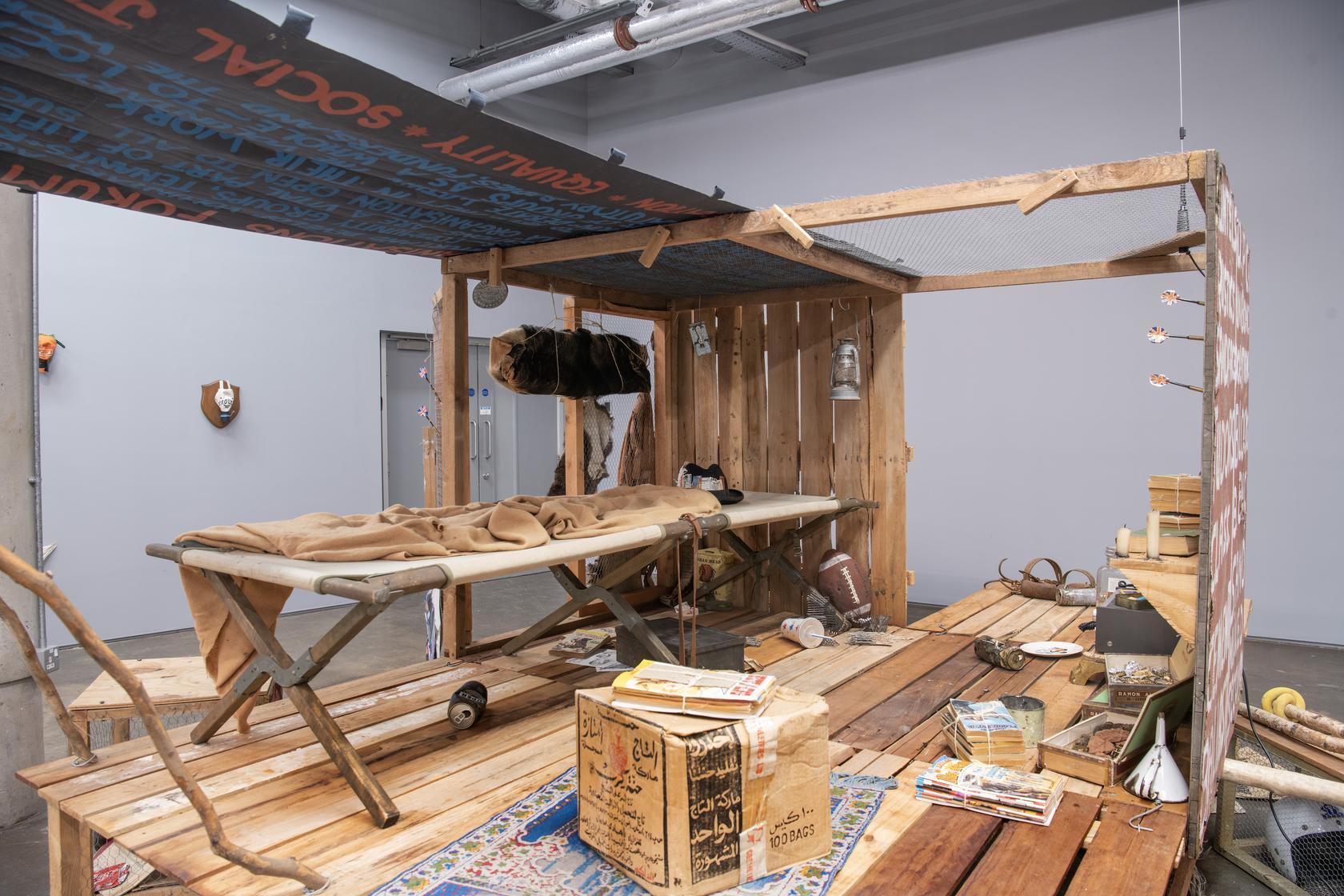
-
Mike Nelson, Hybrid Scripts – Installation view
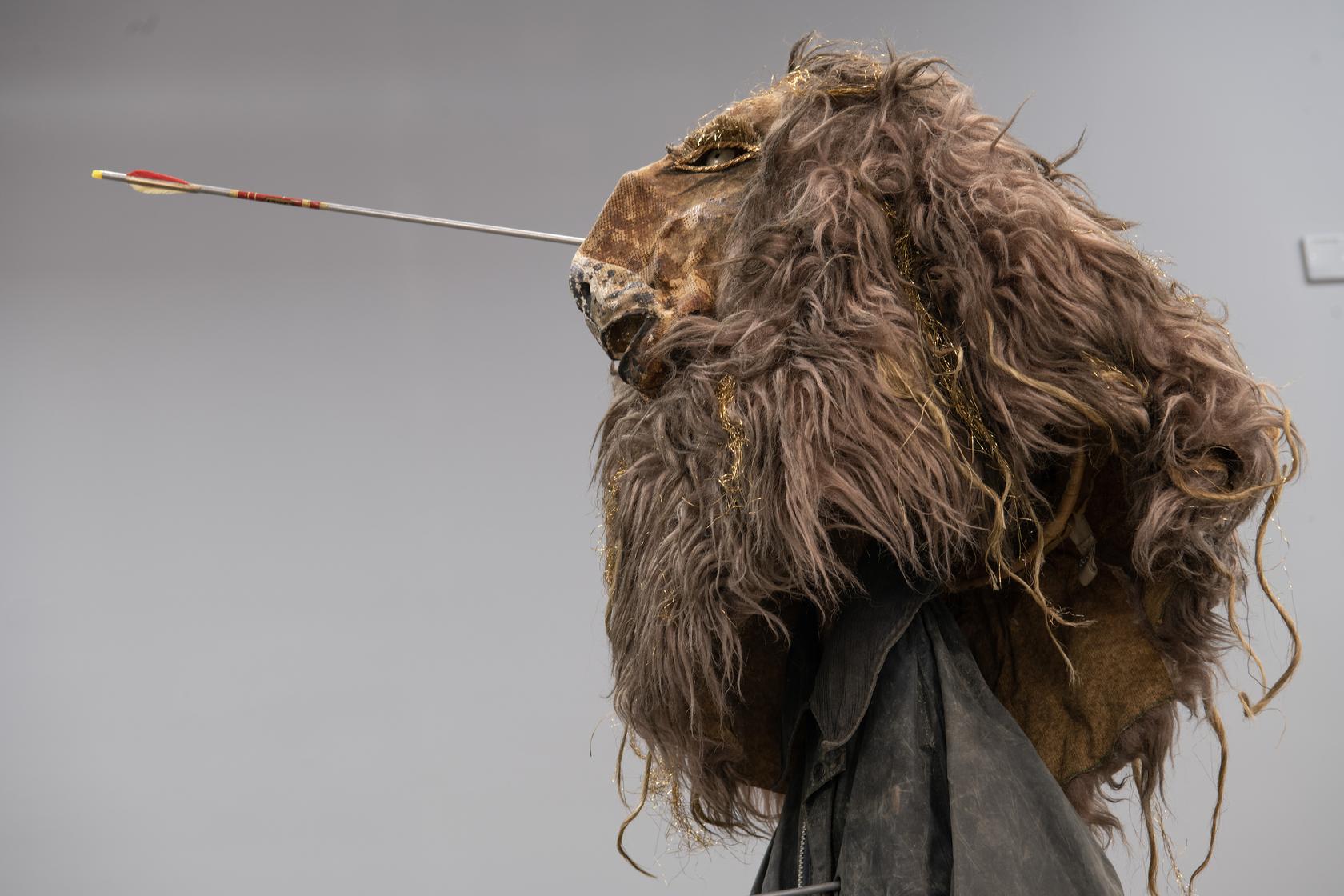
-
Mike Nelson, Hybrid Scripts – Installation view
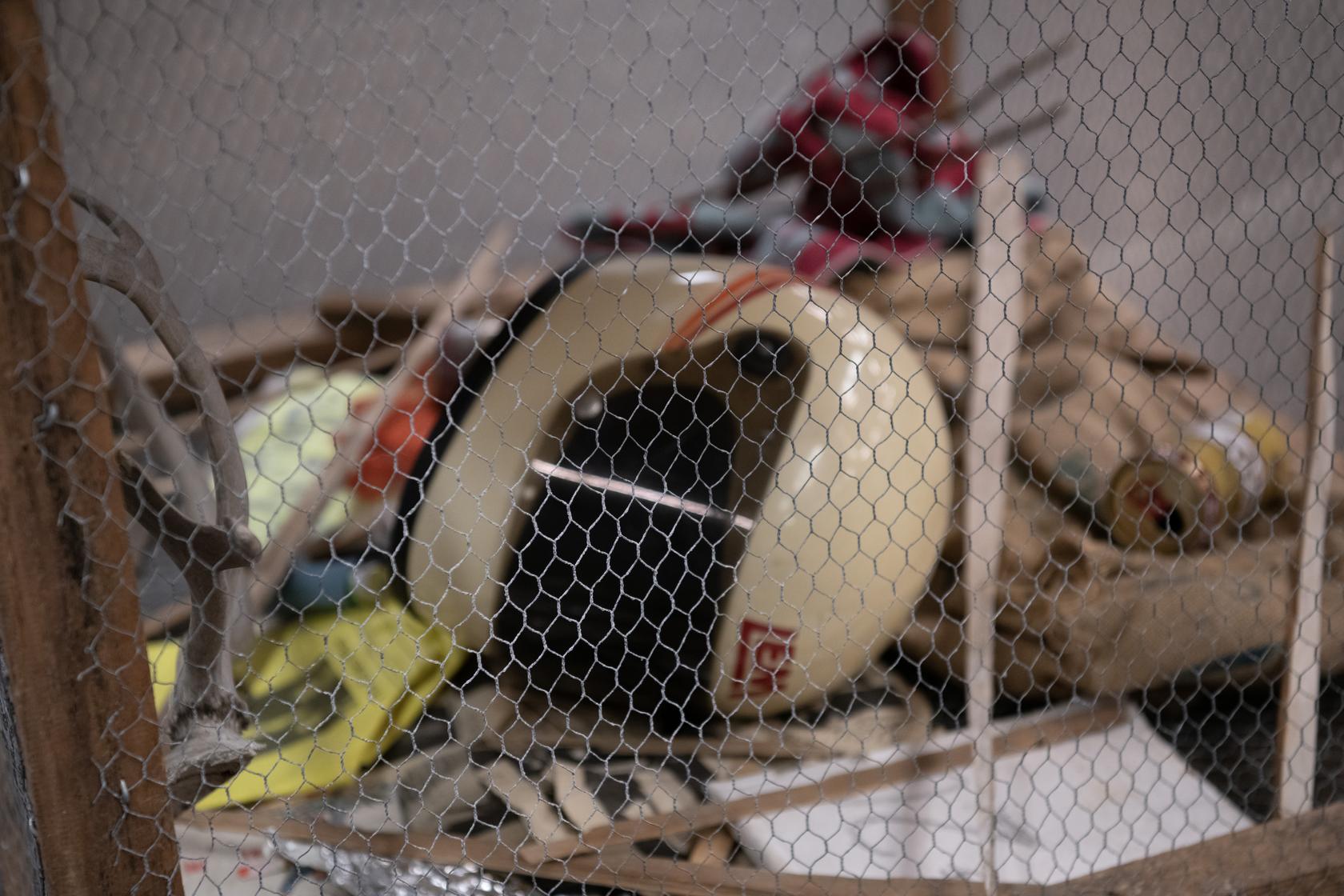
-
Mike Nelson, Hybrid Scripts – Installation view
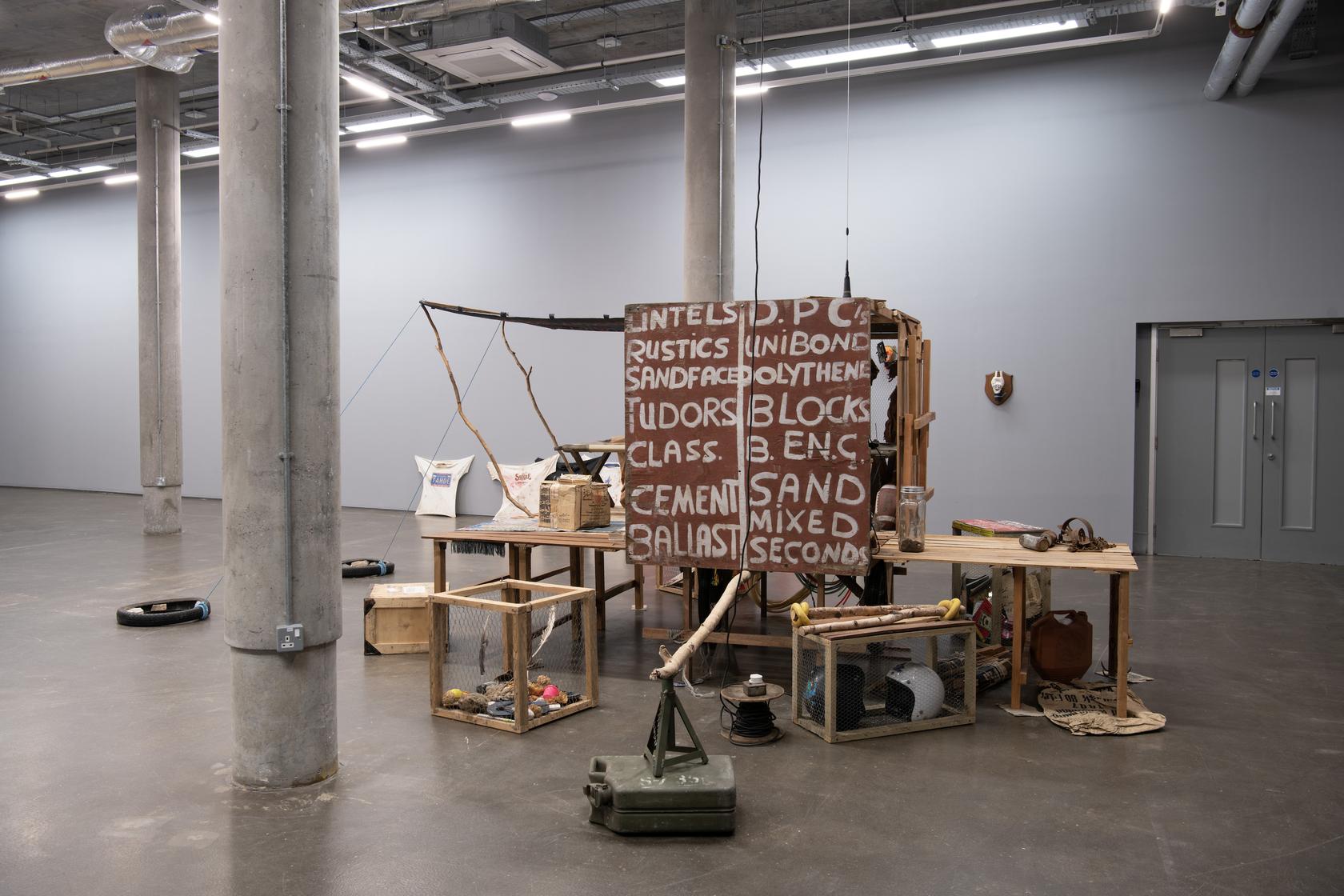
-
Mike Nelson, Hybrid Scripts – Installation view
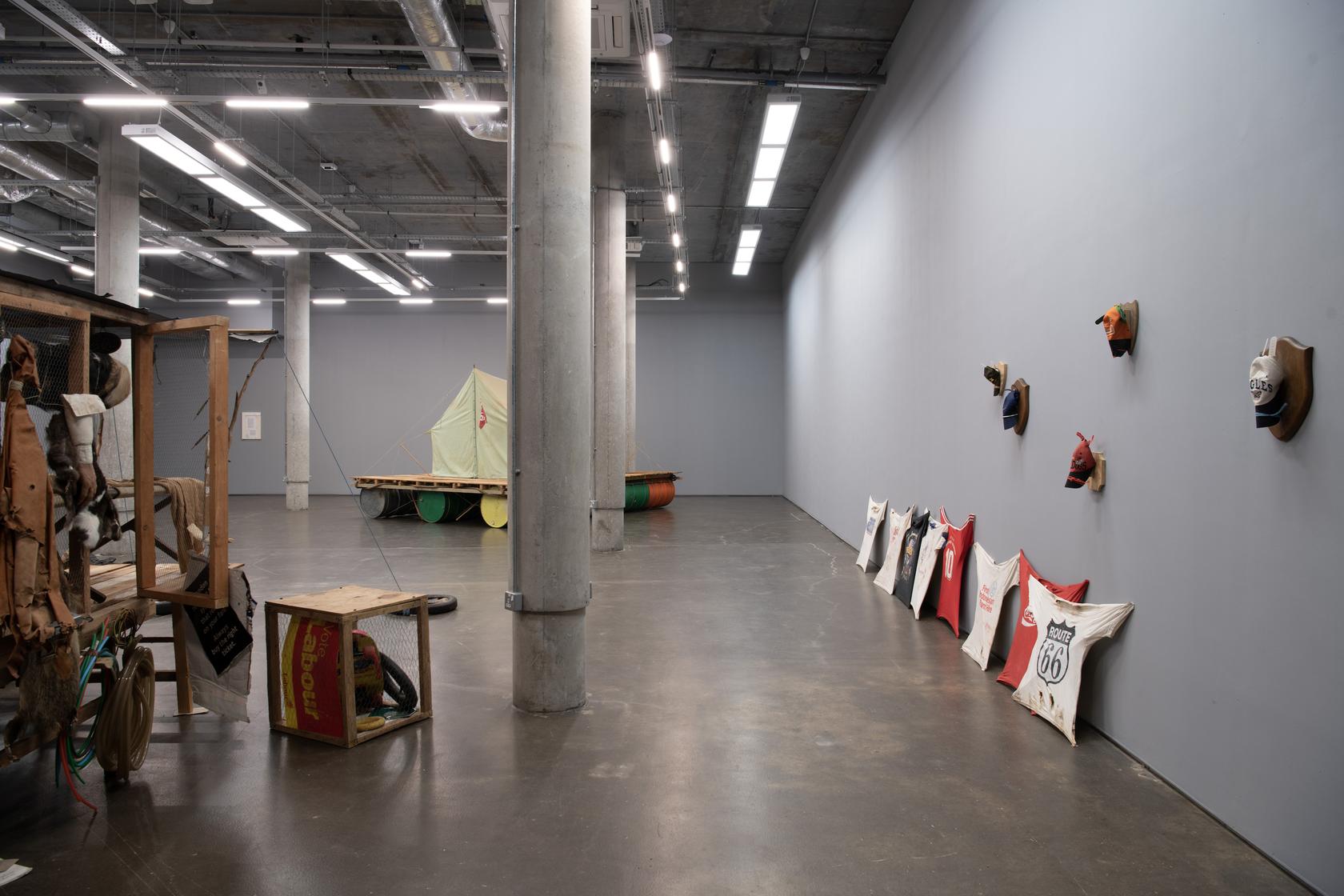
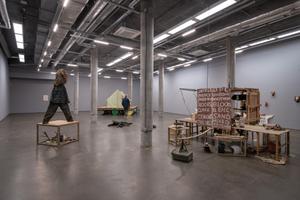
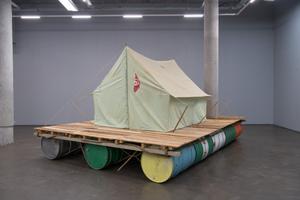
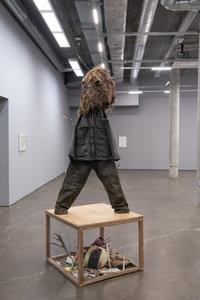
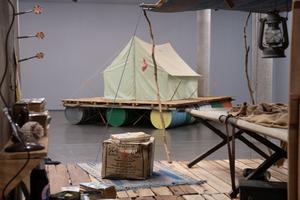
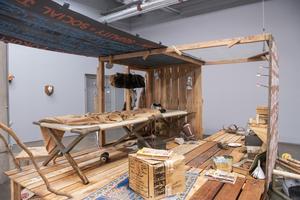
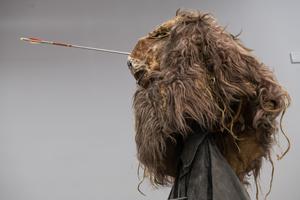
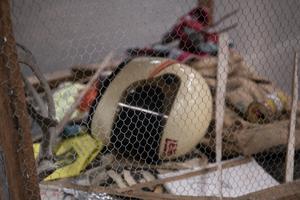
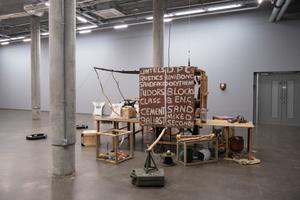
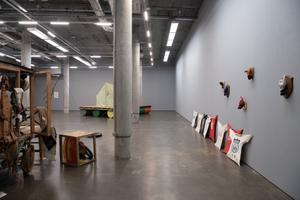
Hybrid Scripts is the first solo exhibition in the North East in nearly 30 years by internationally acclaimed British artist Mike Nelson. The exhibition comprises two seminal early sculptural installations Taylor and Lionheart in direct dialogue for the first time. Both works reflect on Britain’s colonial past, migration, trade and travel.
Nelson is best known for producing immersive worlds which draw on international political movements, science fiction, counterculture, film and literature. His monumental installations invite the viewer to step into an alternate reality filled with a vast array of objects and personal effects which convey human presence while presenting a world eerily familiar to our own.
Taylor (1994) is a monumental sculpture on loan from the Arts Council Collection. Taylor’s title refers both to the eighteenth-century warehouse in Liverpool where it was first exhibited, and to George Taylor, the marooned astronaut from the film Planet of the Apes who tried in vain to escape the earth only to find himself back where he started in a different, more dystopian, time. The installation suggests journeys to other worlds – whether by force, escape or exploration. Liverpool’s history reveals that warehouses, such as the one where Taylor was originally conceived, were once at the centre of the last days of the British slave trade. The reference to this history was given particular political significance as the plight of dispossessed refugees from Cuba and Haiti fleeing to the United States on makeshift rafts dominated the news at the time the work was first made. Taylor fused together the political moment, the history of the site in Liverpool, and the narrative reference to science fiction to make a prop for a film that never existed – itself a catalyst for the viewer to add their own histories and imaginings to make a story unique to every visitor.
Lionheart marks a pivotal moment in British history with the election of New Labour in 1997 in the aftermath of the fall of the Soviet Union on the ever-changing continent of Europe. Nelson witnessed the beginnings of a new wave of immigration as people from the former east of Europe travelled north towards Britain, arriving in Germany around this time, selling relics from their Communist past. The traders seemed to be retracing trade routes from the East that had been dormant for decades, blocked by the ideology of the Iron Curtain. In contrast, at this time, Britain’s markets were still redolent of their colonial history, both peopled by and selling relics from the former Empire.
Named after Richard the Lionheart, arguably the first imperialist King of England who focused almost exclusively on Crusades overseas, the installation depicts a drifter’s camp, a hunter or trapper of the inanimate collecting material painstakingly sourced from flea markets and car boot sales across Bremen, North Germany (where the work was originally made in 1997), London and the island Helgoland – a piece of literal common ground owned by both countries and geographically between the two. This material encampment is built from the discarded clues to a world at a certain point in time – the colonial flotsam and jetsam of the British car boot fused with the furs and traps of Eastern Europe – but reverberates today in those histories it touches upon and the trajectories that they have followed to this point in time.