

-
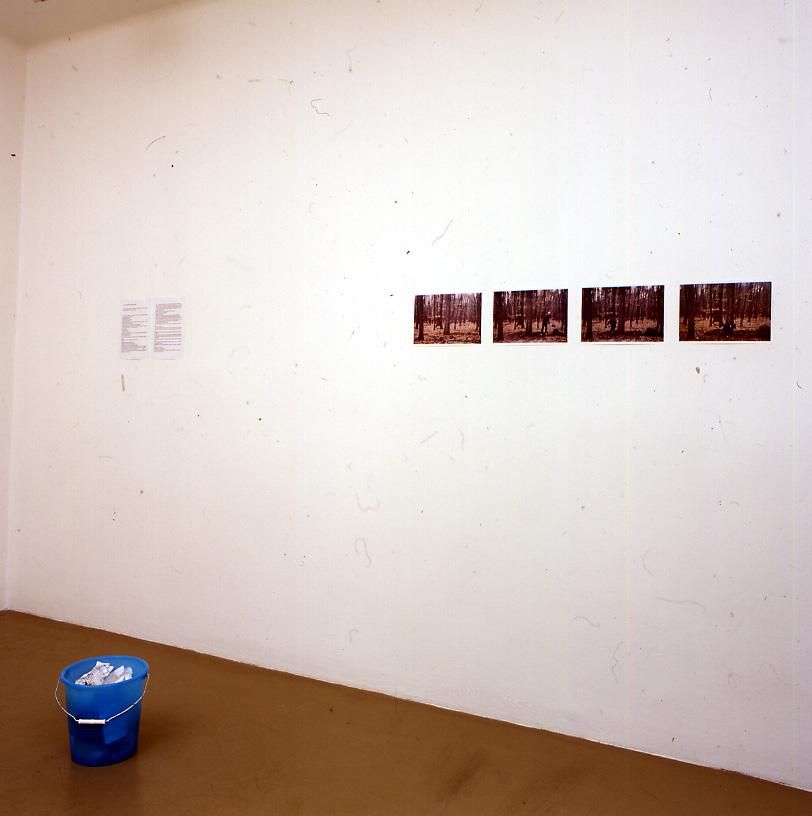
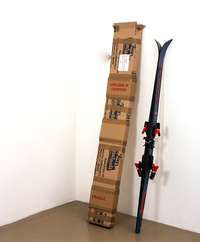
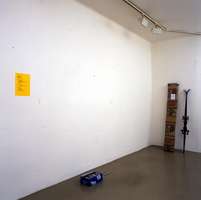
There are two temperatures: one outside, one inside – Installation view
-
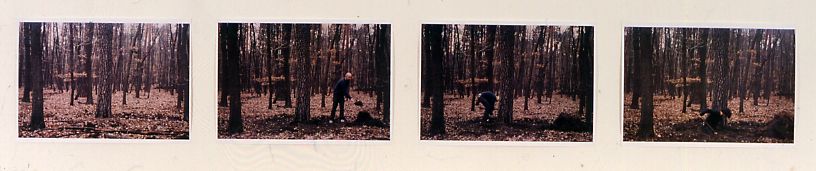
There are two temperatures: one outside, one inside – Installation view
-
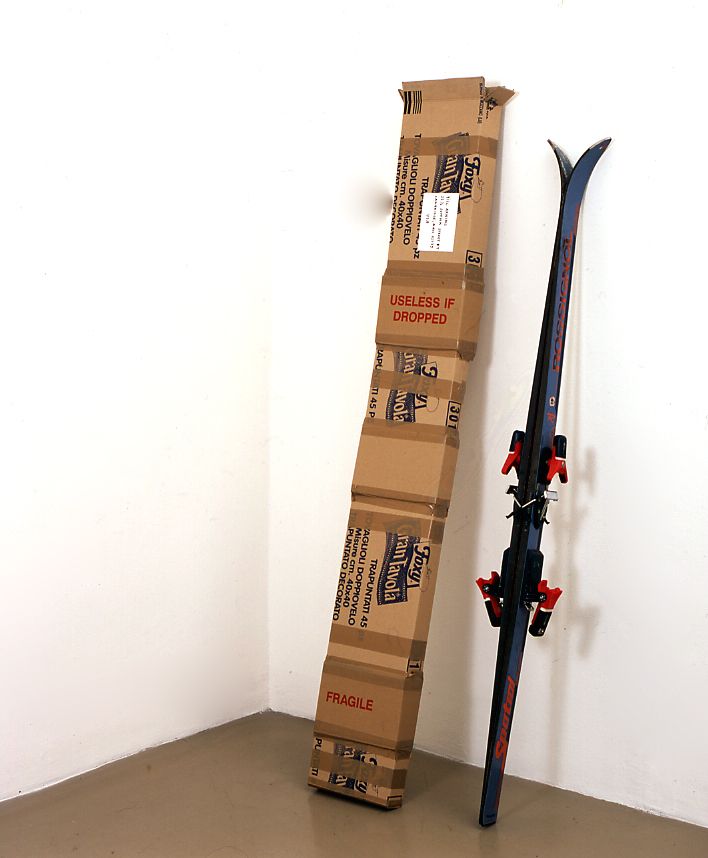
There are two temperatures: one outside, one inside – Installation view
-
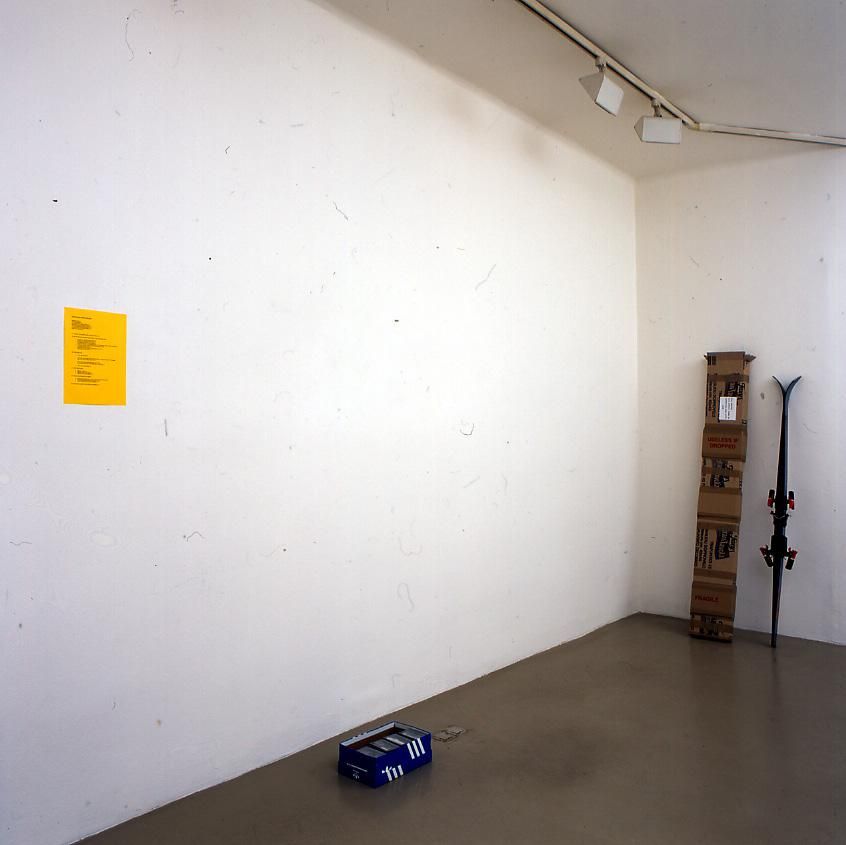
There are two temperatures: one outside, one inside – Installation view
-
There are two temperatures: one outside, one inside – Installation view
-
There are two temperatures: one outside, one inside – Installation view

-
There are two temperatures: one outside, one inside – Installation view
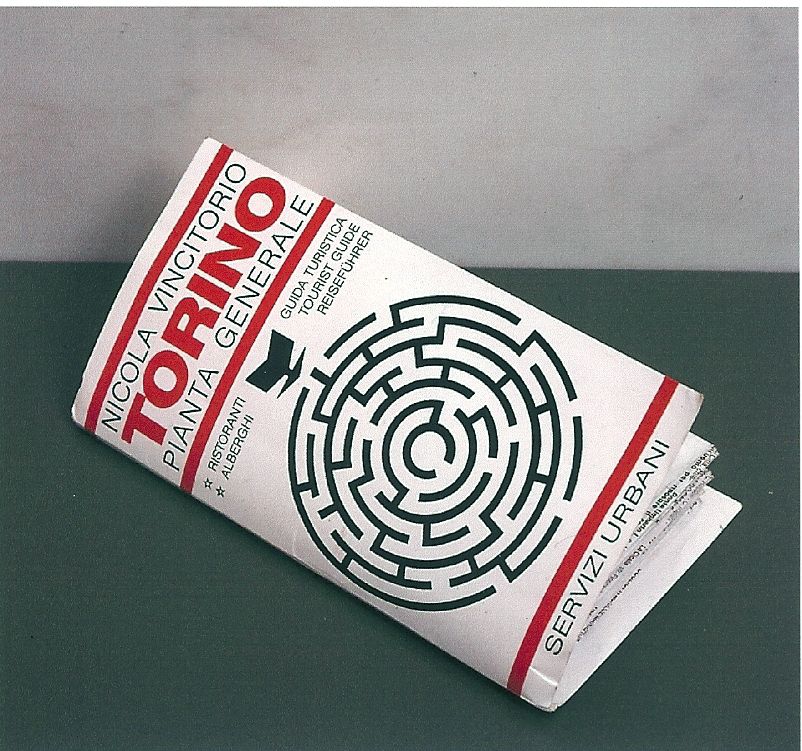
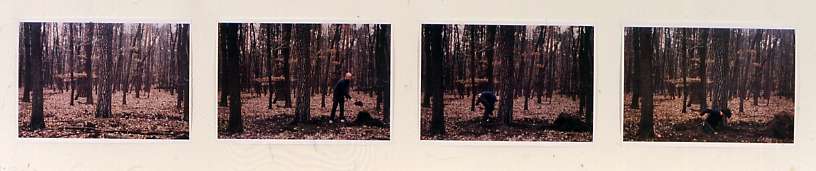
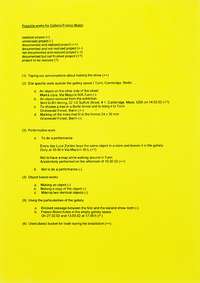
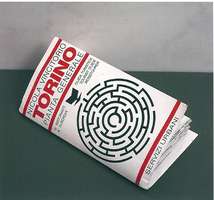
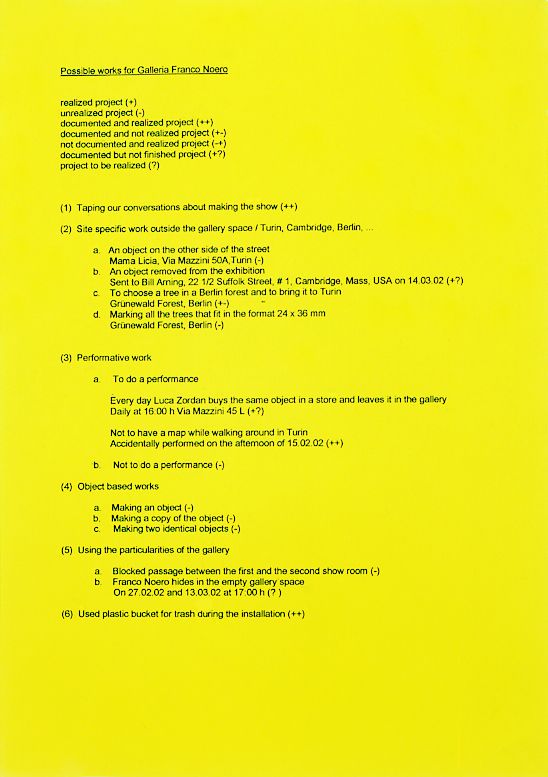
There are two temperatures: one outside, one inside
A Conversation between four artists, on the occasion of the exhibition by Kirsten Pieroth and Henrik Olesen. Galleria Franco Noero, Turin, 20 February 2002.
HO: I talked to Franco Noero on the phone yesterday and he wanted us to say something about what we are going to do in our exhibition in Turin.
KP: So what should we tell him?
HO: That we are doing a collaboration.
KP: I guess he already knows that.
HO: Maybe he does not know if we are doing separate works that are shown together or if we are exhibiting works we have produced together....
KP: ...or if we are going to show no work at all as a result of our collaboration.
Yoko Ono: "Take the sound of a room breathing: at dawn, in the morning, in the evening, before dawn... Bottle the smell of the room of that particular hour as well".
KP: What was that?
HO: Yoko Ono, I guess.
KP: But she is not in the show...
HO: So what, a work doesn't only come out by one's own genuine ideas but is constantly influenced by a lot of other people and other things.
KP: But what did you tell Franco?
HO: I told him about our basic ideas, about that we are going to do different interventions within the city...
Robert Morris: "There are two temperatures: one outside, one inside".
HO: ...? Robert Morris: But what are you doing for the show?
KP: We are using the outside and the inside of the gallery.
Robert Morris: Why are you placing work outside the gallery space?
KP: If you place an artwork in the street it changes the perception of the work. It evokes different reactions and attention. You experience the piece in a situation of everyday life. An outside space is something that everybody shares. In the street people rely on orientation.
HO: As there is no announcement of the work, you experience it as something casual and not presented. You might not notice it at all....
KP: ...or you might not notice it is a piece of art... like the flyers you once spread out in Copenhagen...
HO: I distributed flyers in the subway and people took them occasionally. They didn't consider the information on the flyers as an expression of an artistic statement. There was a lack of authorship and so the work came down to the actual information that was provided and the circumstances under which people were given that information.
Robert Morris: But Kirsten, didn't you also distribute flyers in Copenhagen?
KP: No, you got it wrong... I biked backwards.
Robert Morris: ... backwards?
KP: On occasion of an exhibition opening I biked in the wrong direction through a one-way street. I biked backwards: I was riding my bike, seated on the handlebars, facing the opposite direction.
Yoko Ono: "Draw an imaginary map. Put a goal mark on the map where you want to go. Go walking on an actual street according to your map. If there is no street where it should be according to the map, make one by putting the obstacles aside. When you reach the goal, ask the name of the city...".
KP: Lets get back to Turin... and what to tell Franco...
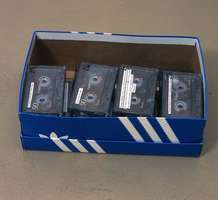
HO: I also told Franco about the tapes. That we have taped all our conversations about doing this show.
KP: ...there are a lot of tapes
HO: ...and we discuss possible exhibitions we could do in the space. We have documented everything that we discussed. The idea is to include as well our working process in Berlin and to bring it with us to Turin.
Robert Morris: ... Isn't that rather private? Do you think that people are going to listen to many hours of tape? Would you?
KP: When you work on something there is a natural selection of what becomes the final piece. When we include the tapes it also means that we include the leftovers that were part of structuring our ideas for the exhibition.
HO: We don't want the tapes to become a private documentation in real time. We use the tapes as an object.
KP: One can't listen to them during the exhibition, but they are presented as a summary of our thoughts around the making of the show.
Robert Morris: In 1961, I did a piece called "Box with the Sound of its Own Making", did you know that?
KP: No, but what was that about?
Robert Morris: ...I don't really remember.
Yoko Ono: I think you made a wooden box and taped the sound of you building it. Afterwards you placed the tape in the box and closed it.