

-
Mike Nelson, Procession, process. Progress, progression. Regression, recession. Recess, regress. – Installation view
-
Mike Nelson, Procession, process. Progress, progression. Regression, recession. Recess, regress. – Installation view

-
Mike Nelson, Procession, process. Progress, progression. Regression, recession. Recess, regress. – Installation view
-
Mike Nelson, Procession, process. Progress, progression. Regression, recession. Recess, regress. – Installation view
-
Mike Nelson, Procession, process. Progress, progression. Regression, recession. Recess, regress. – Installation view

-
Mike Nelson, Procession, process. Progress, progression. Regression, recession. Recess, regress. – Installation view
-
Mike Nelson, Procession, process. Progress, progression. Regression, recession. Recess, regress. – Installation view
-
Mike Nelson, Procession, process. Progress, progression. Regression, recession. Recess, regress. – Installation view
-
Mike Nelson, Procession, process. Progress, progression. Regression, recession. Recess, regress. – Installation view
-
Mike Nelson, Procession, process. Progress, progression. Regression, recession. Recess, regress. – Installation view
-
Mike Nelson, Procession, process. Progress, progression. Regression, recession. Recess, regress. – Installation view

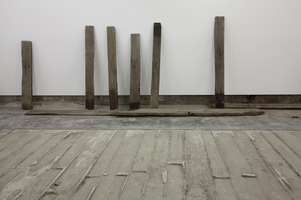
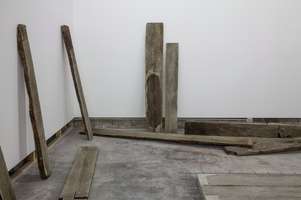
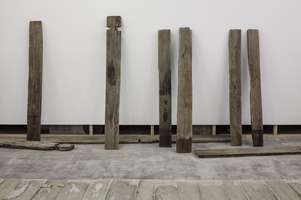
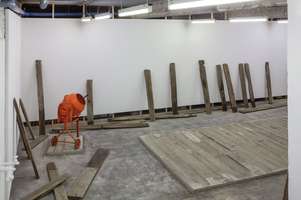
-
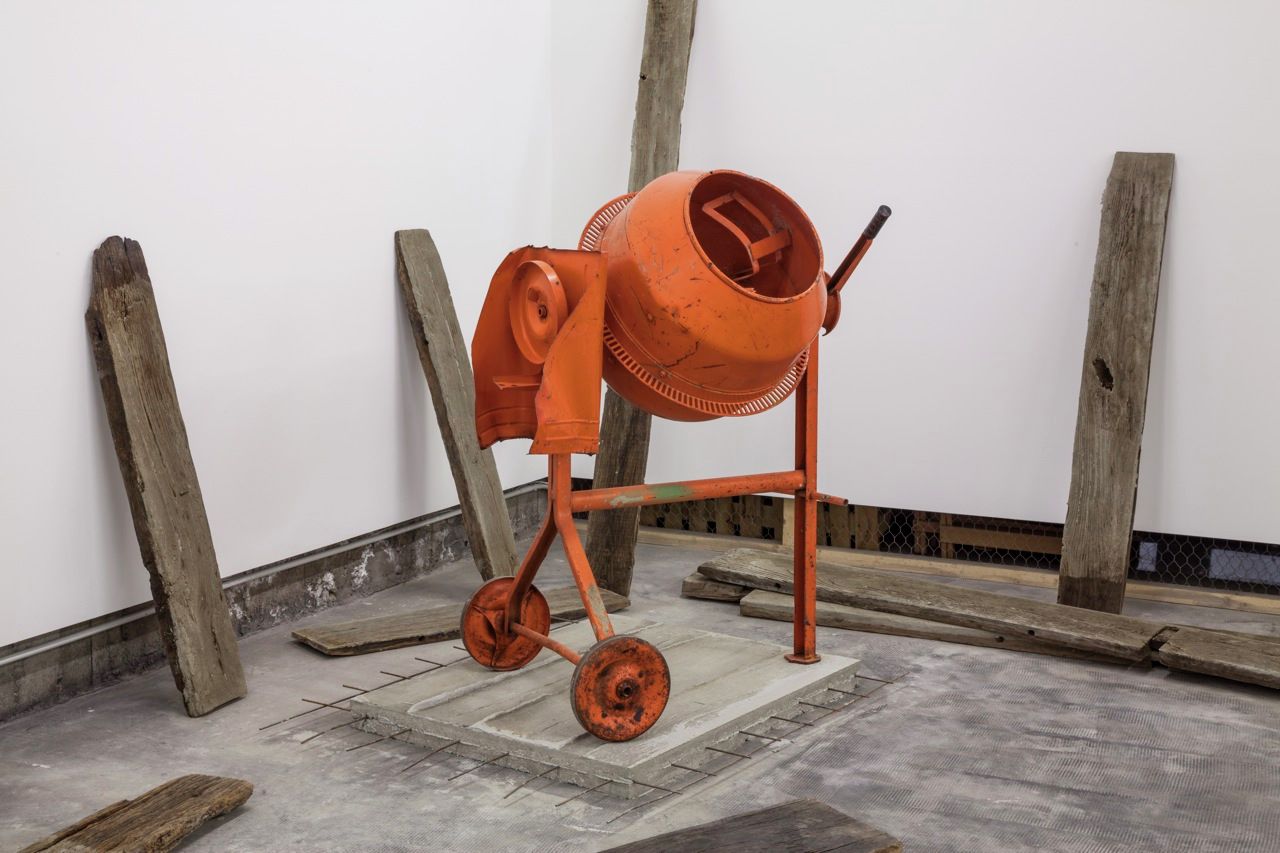
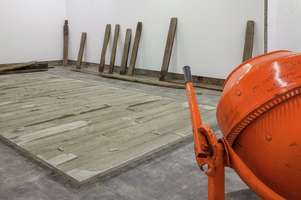
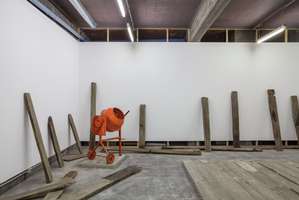
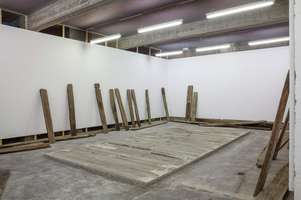
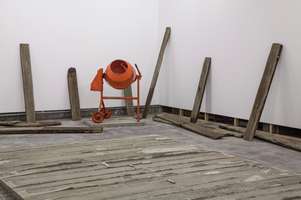
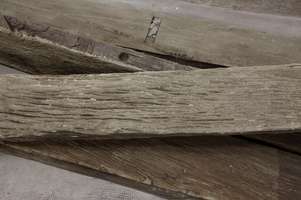
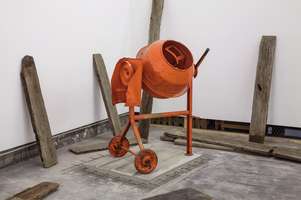
Mike Nelson, Procession, process. Progress, progression. Regression, recession. Recess, regress, 2009
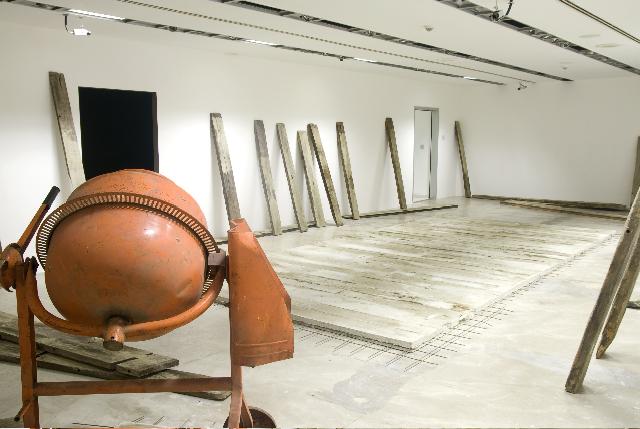
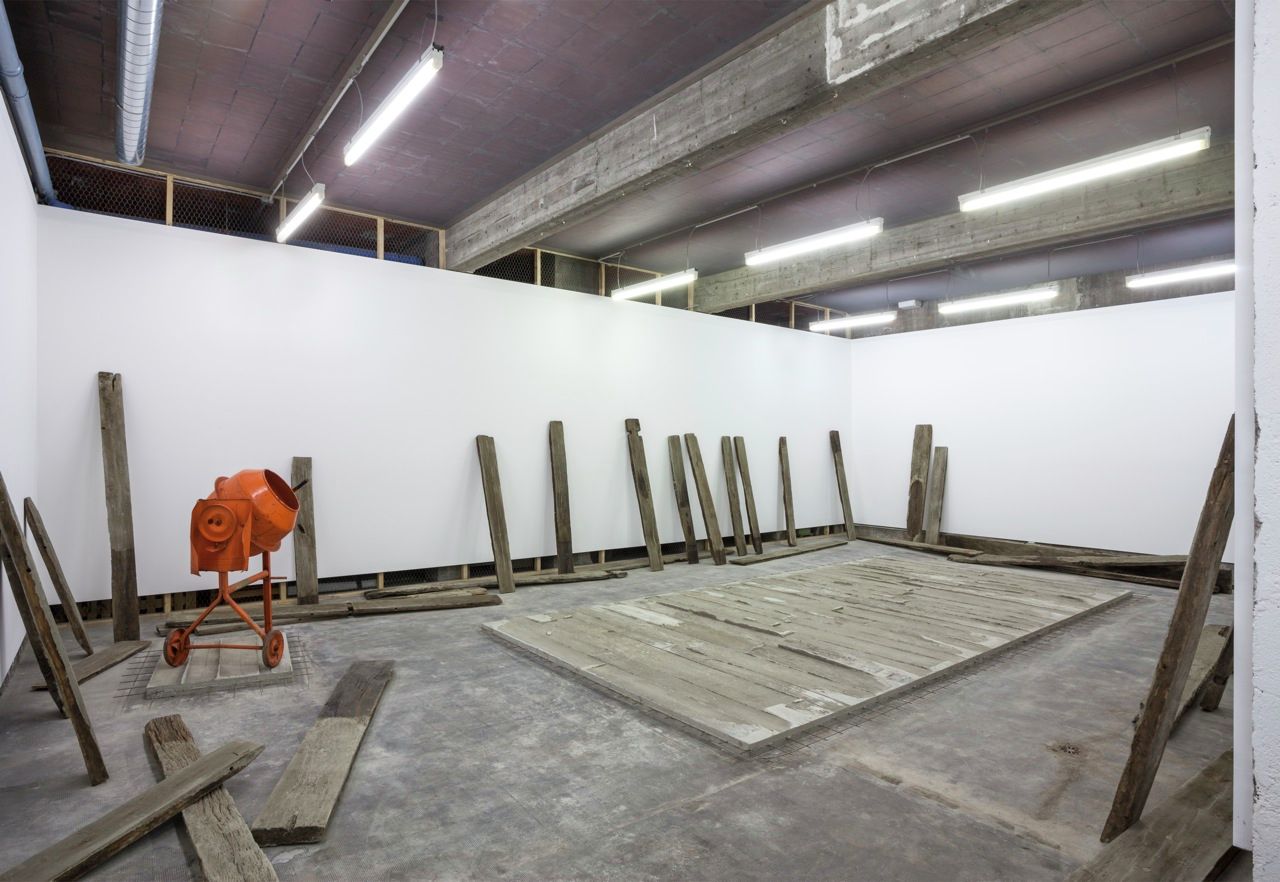
Originally made in Istanbul for Journeys With No Return, a group show held at Akbank Cultural Centre in 2009, the installation comes six years after the artist’s previous intervention in the same city, Magazin (Buyuck Valide Han), realized in the occasion of his participation to the Istanbul Biennale in 2003.
Procession, process. Progress, progression. Regression, recession. Recess, regress. is an installation that conceptually predates the project of 2003, in that it exists almost as a preparatory work in relation to the initial proposal the artist conceived for the Biennale.
In the proposed work Nelson had the intention of taking one of the derelict wooden 19th century houses, of which at the time there were still many in the city, and use it as shuttering to cast a brutalist structure on the site of the condemned building. The artist described what would be created as appearing “almost as a lost piece of Kemalist modernism”, in his mind it was baffling that such an extreme shift of political focus that happened at the end of the Ottoman Empire and the formation of the modern Turkish state should not have its own trope of architecture.
The title of the work playfully intertwines a commentary upon the complexity of 20th and 21st century Turkish history but also wryly makes reference to art historical genres which the work may be associated with, and comments upon the very act of its own making.
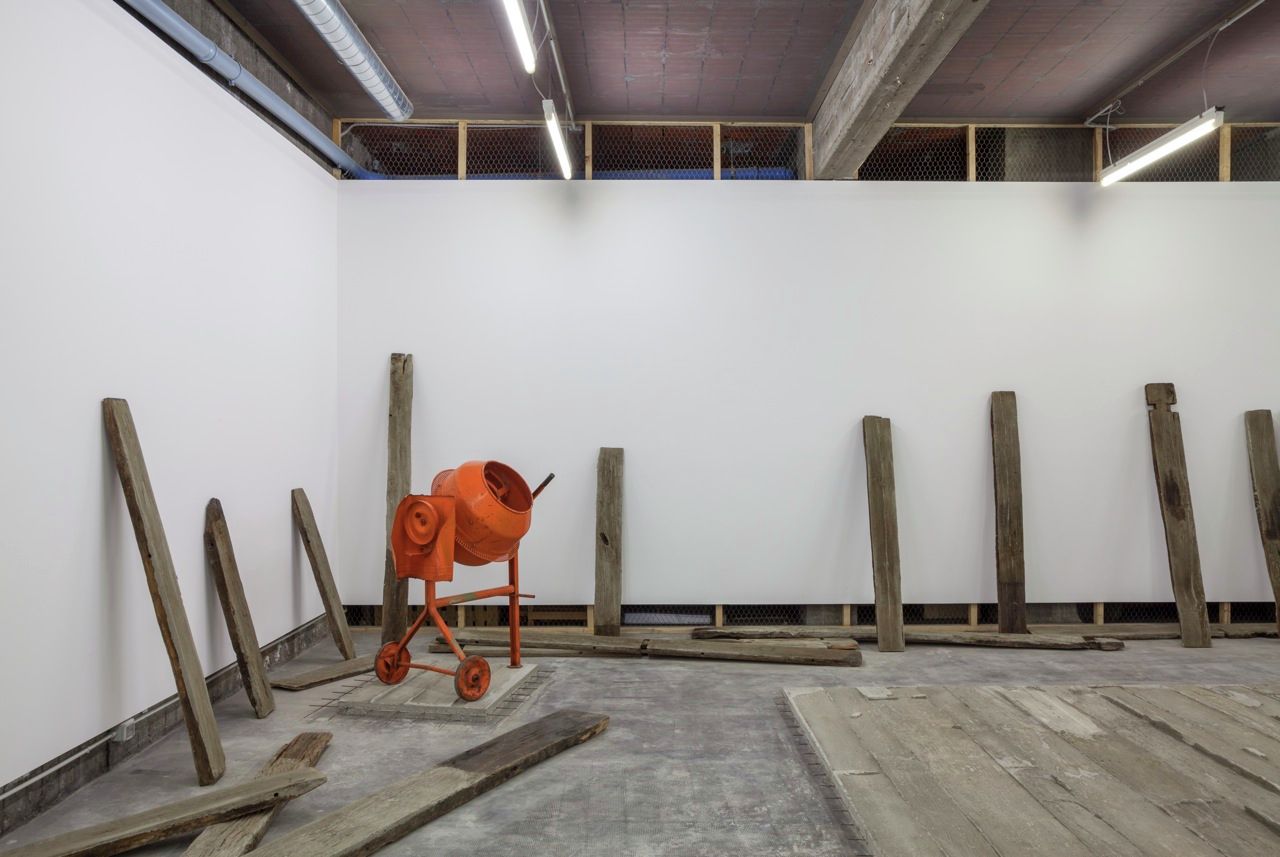
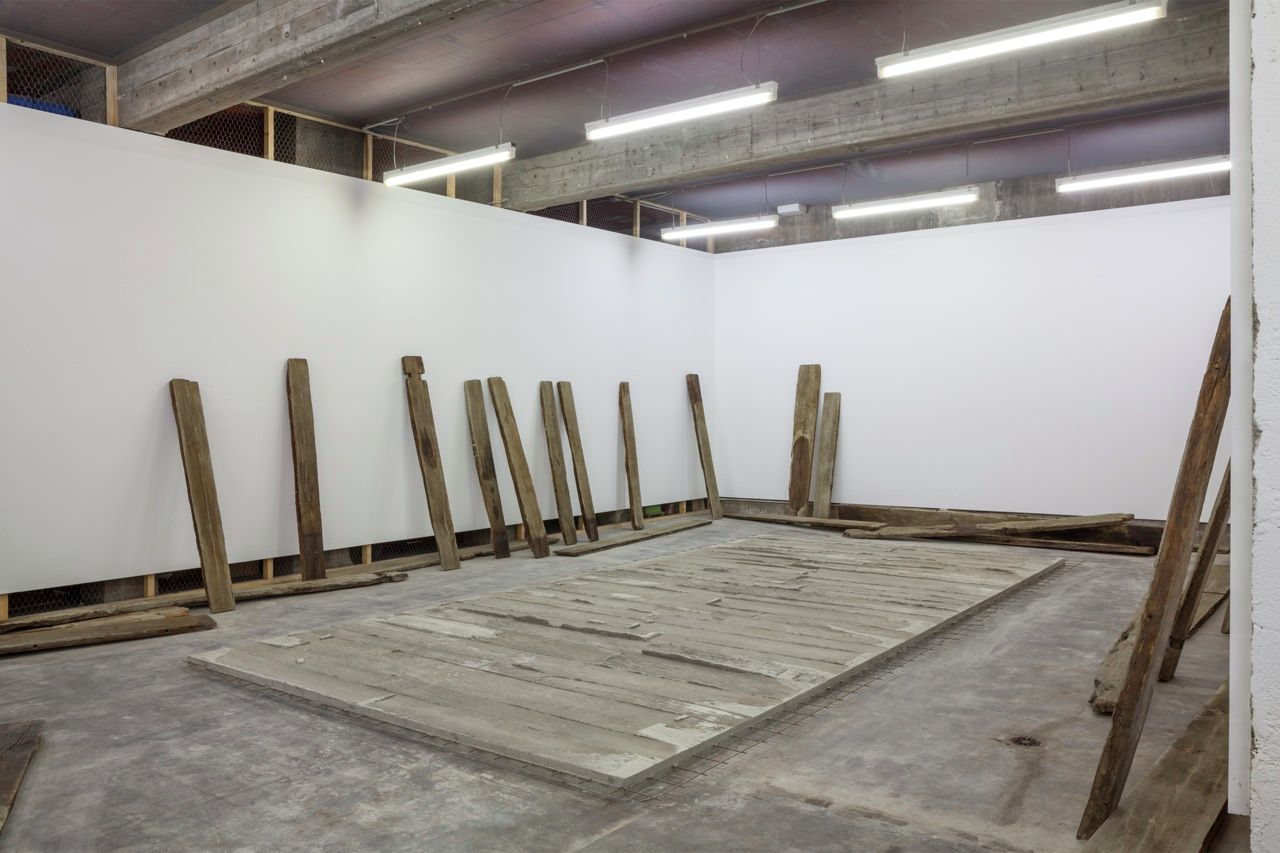
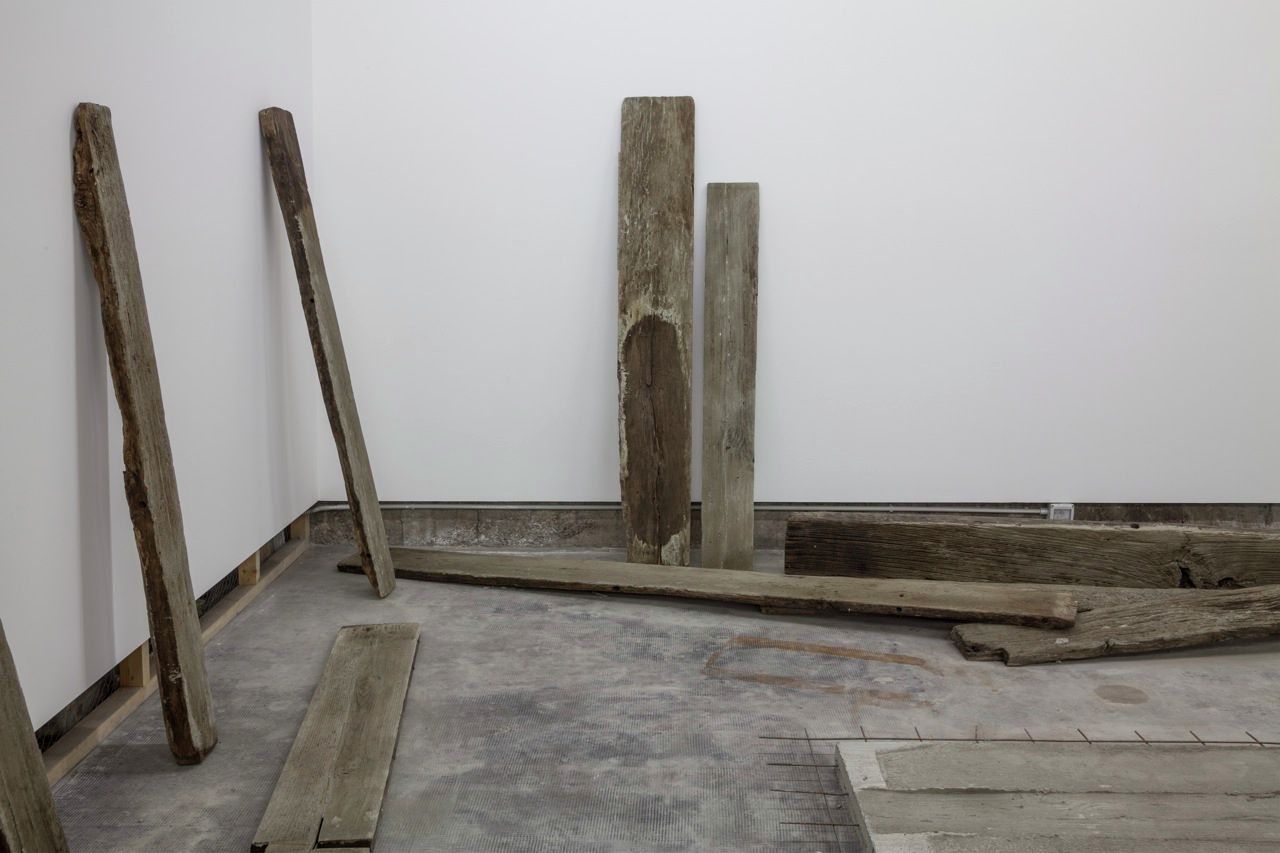
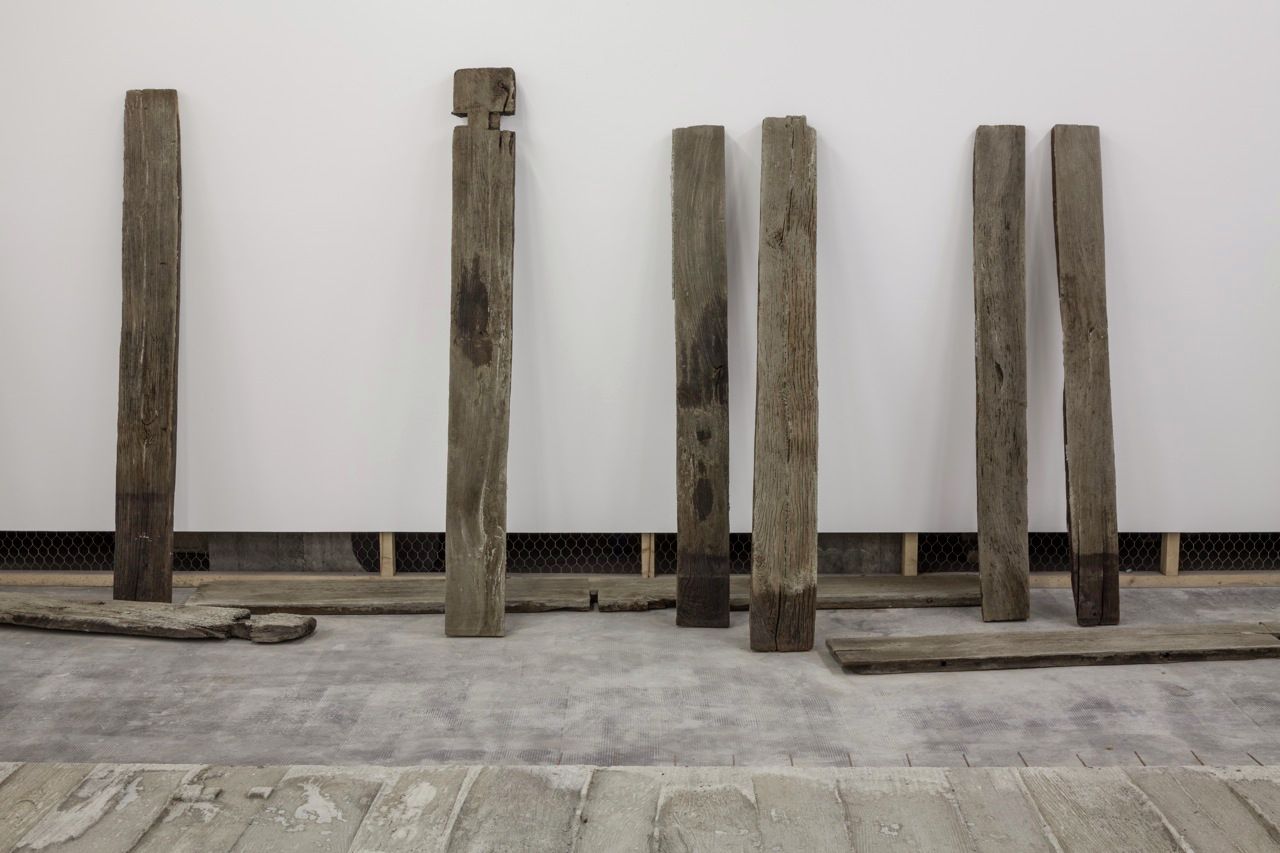
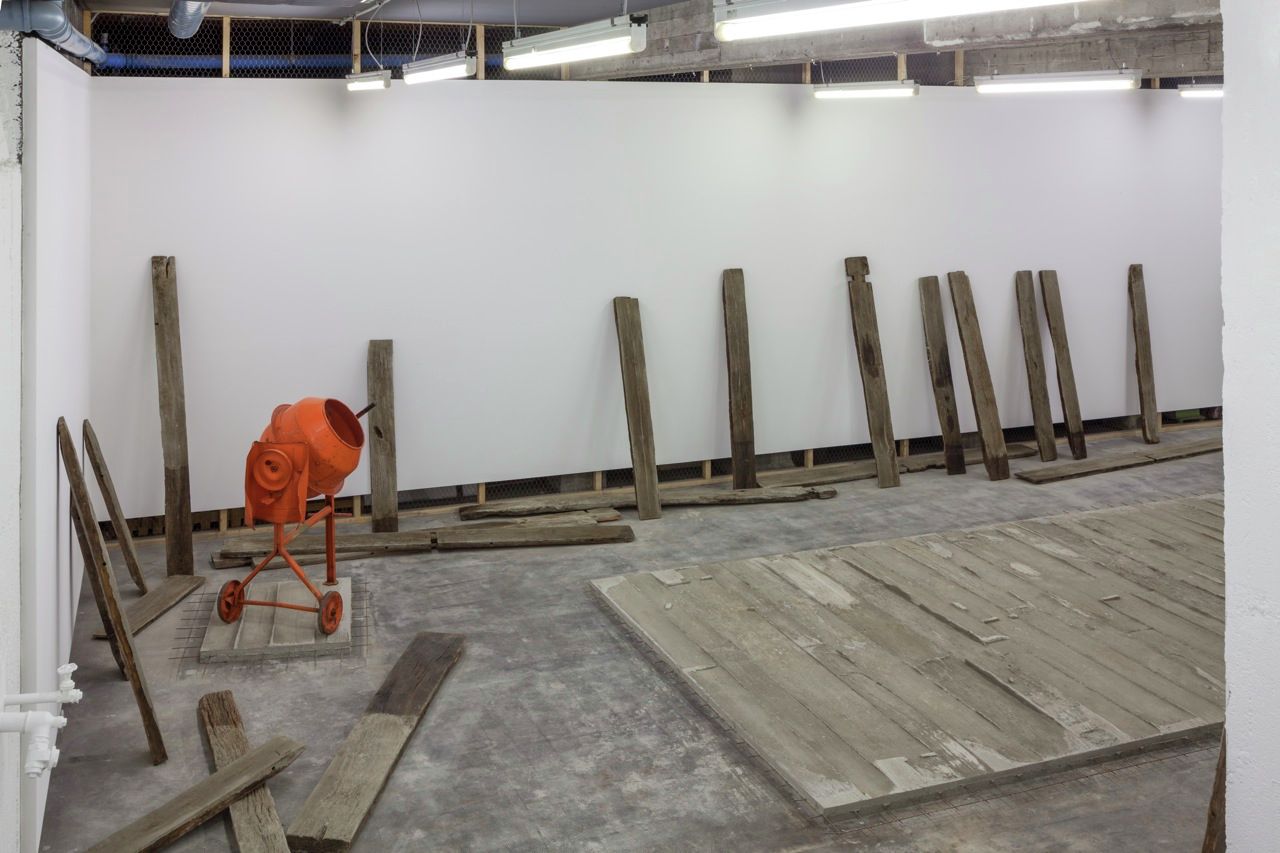
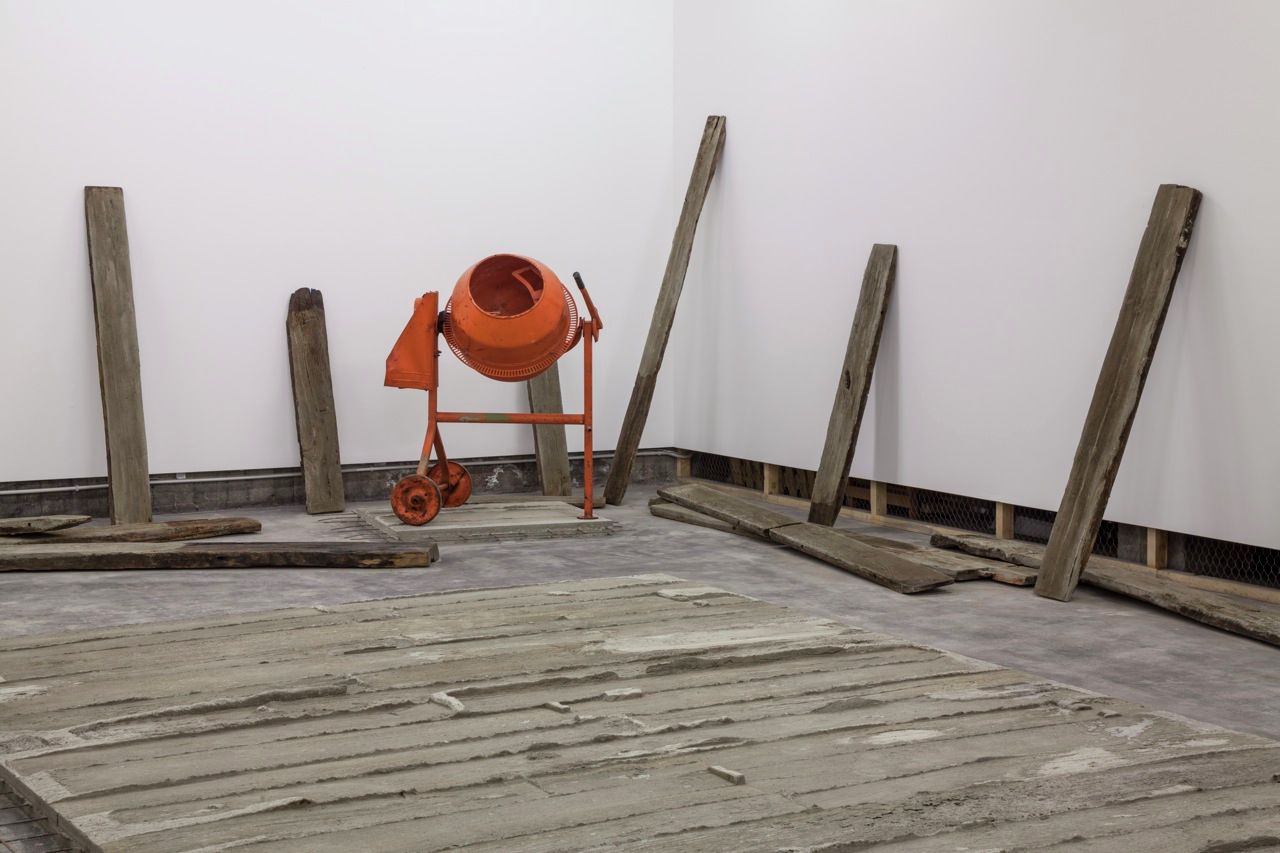
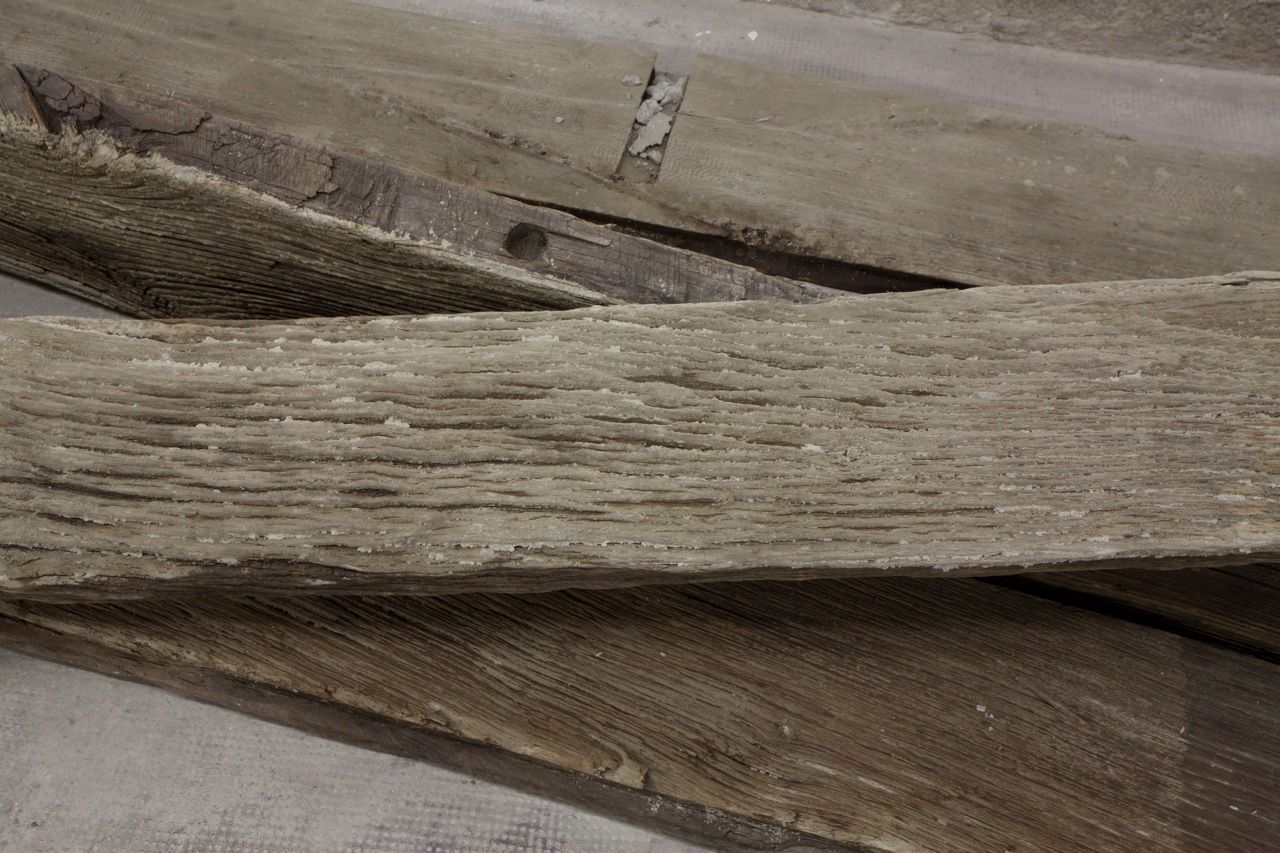
A slab of concrete is cast, the reinforcement mesh left visible as if unfinished or left as the detritus from some unspecified demolition. Old timbers taken from demolished wooden houses from the Ottoman period are then dropped into the curing concrete leaving their imprint, decades or even centuries of silent witness are embossed into its surface; the patina of the weathered grain and the carpenters cuts.
What is left could almost be described as a carpet, the intricate designs supplanted by the patterns, the protruding mesh akin to loose threads.
The timbers are left leaning against the wall or lying on the floor adjacent to where they have been taken, they appear almost figurative in terms of their presence reiterating a sense of observation or witness in the cast itself. The complicated relationship between tradition, modernity, and beyond reside here as a melancholic loop, accentuating the relationship of man and matter in a very direct and simple manner.