

-
Neil Campbell, Solo show – Installation view
-
Neil Campbell, Solo show – Installation view
-
Neil Campbell, Solo show – Installation view
-
Neil Campbell, Solo show – Installation view
-
Neil Campbell, Solo show – Installation view
-
Neil Campbell, Solo show – Installation view
-
Neil Campbell, Solo show – Installation view
Galleria Franco Noero is pleased to present the second solo show by Neil Campbell in Torino.
The artistʼs work, highly synthetic and of strong impact on the sensorial perception, is based on the research on the essence of elementary geometrical shapes, in order to go beyond the sole visual experience, involving the observer in a broader sense: the search of a rhythmic sense in his wall compositions, realized using a solid, matt and nonreflecting paint, leads to a sharp perception of the space, however constantly changing.
Campbellʼs wall paintings vary in scale and proportions and define positive and negative spaces while pushing the boundaries of abstraction; they involve the entire human figure, coming to something he defines ʻthe electrical bodyʼ, and while seeking for the core of forms they express concepts related to basic human perception.
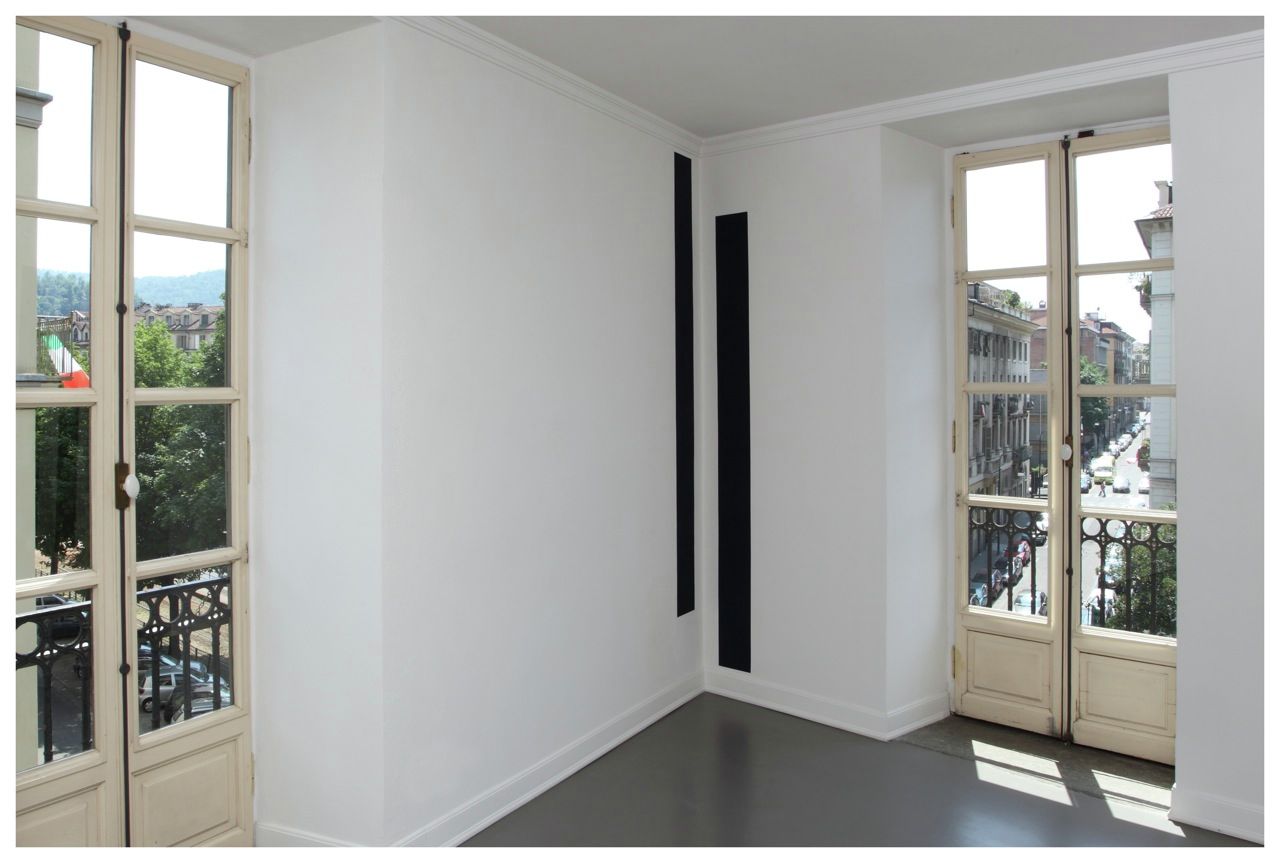
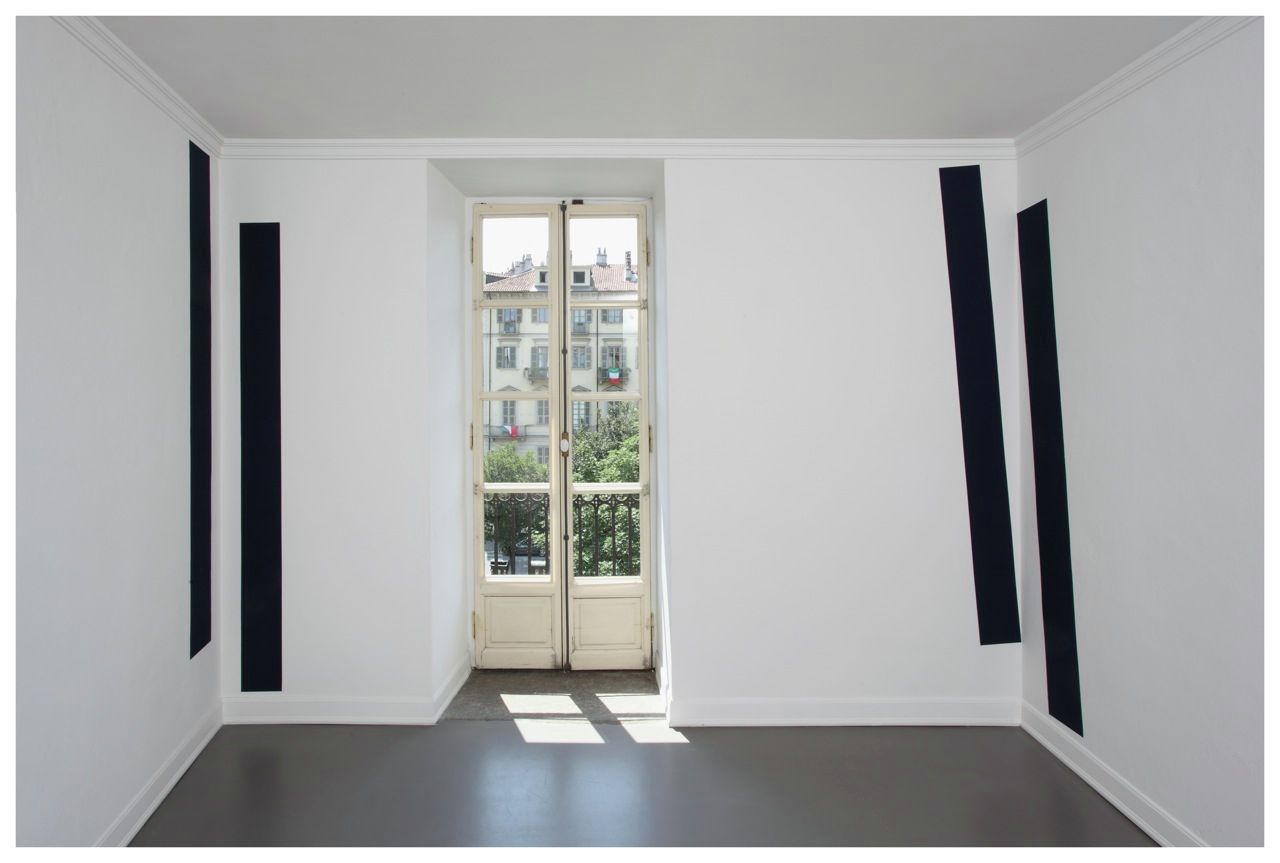
The Canadian artist presents a project strongly inspired by the gallery buildingʼs architecture and by his peculiar structure that was surely a unique challenge for its designer Alessandro Antonelli. The wall drawings presented on three floors highlight and amplify the effect of distorsion already present in the building, letting one discover unexpected details.
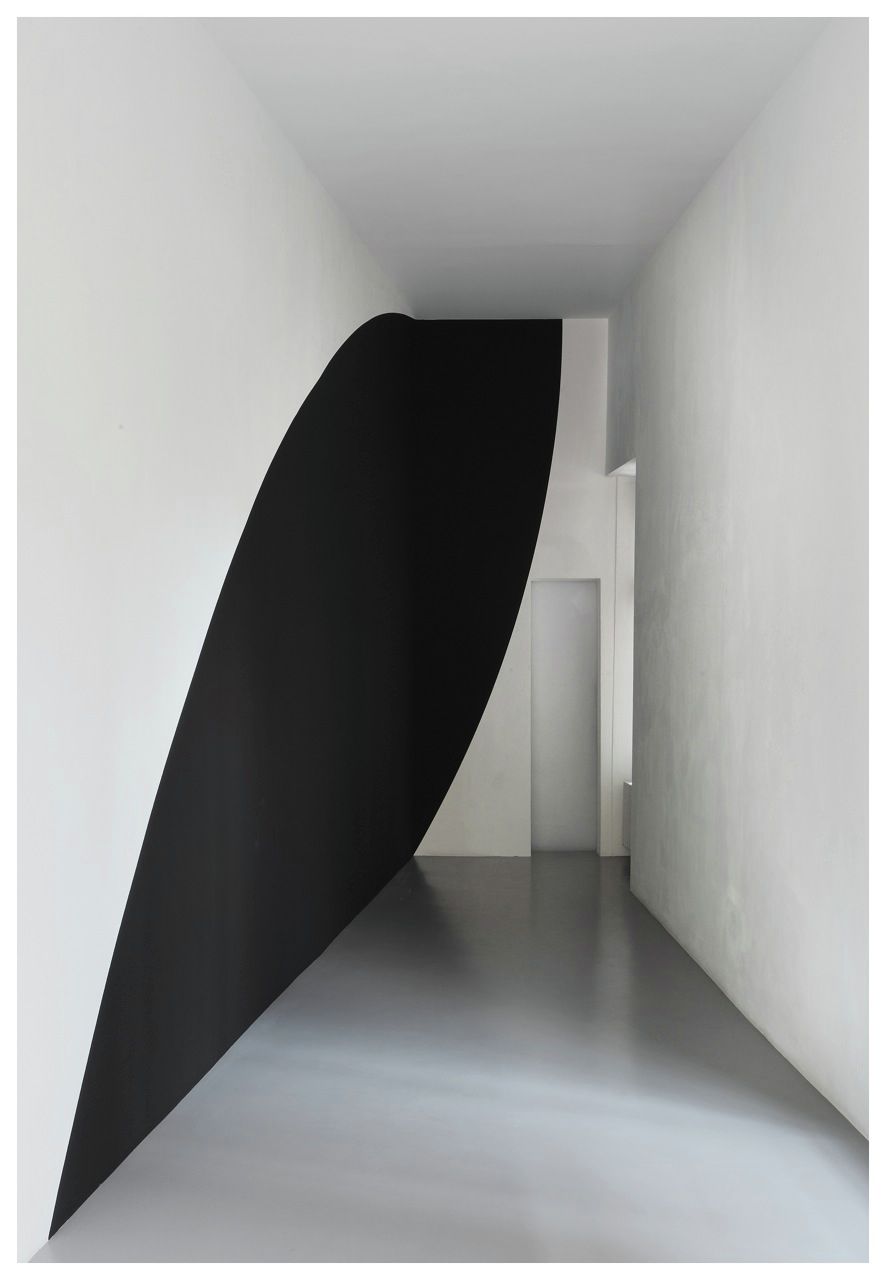
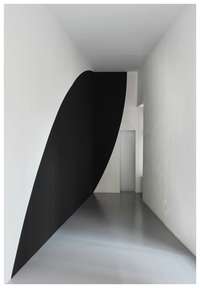
On the ground floor a big black wallpainting composed by intersecating sections of a circle suggests an enlargment of the space while commenting on its proportions. The compositional dynamism is heightened by the viewerʼs movement through the space, while one gets gradually completely caught by the pitch black of the painted walls.
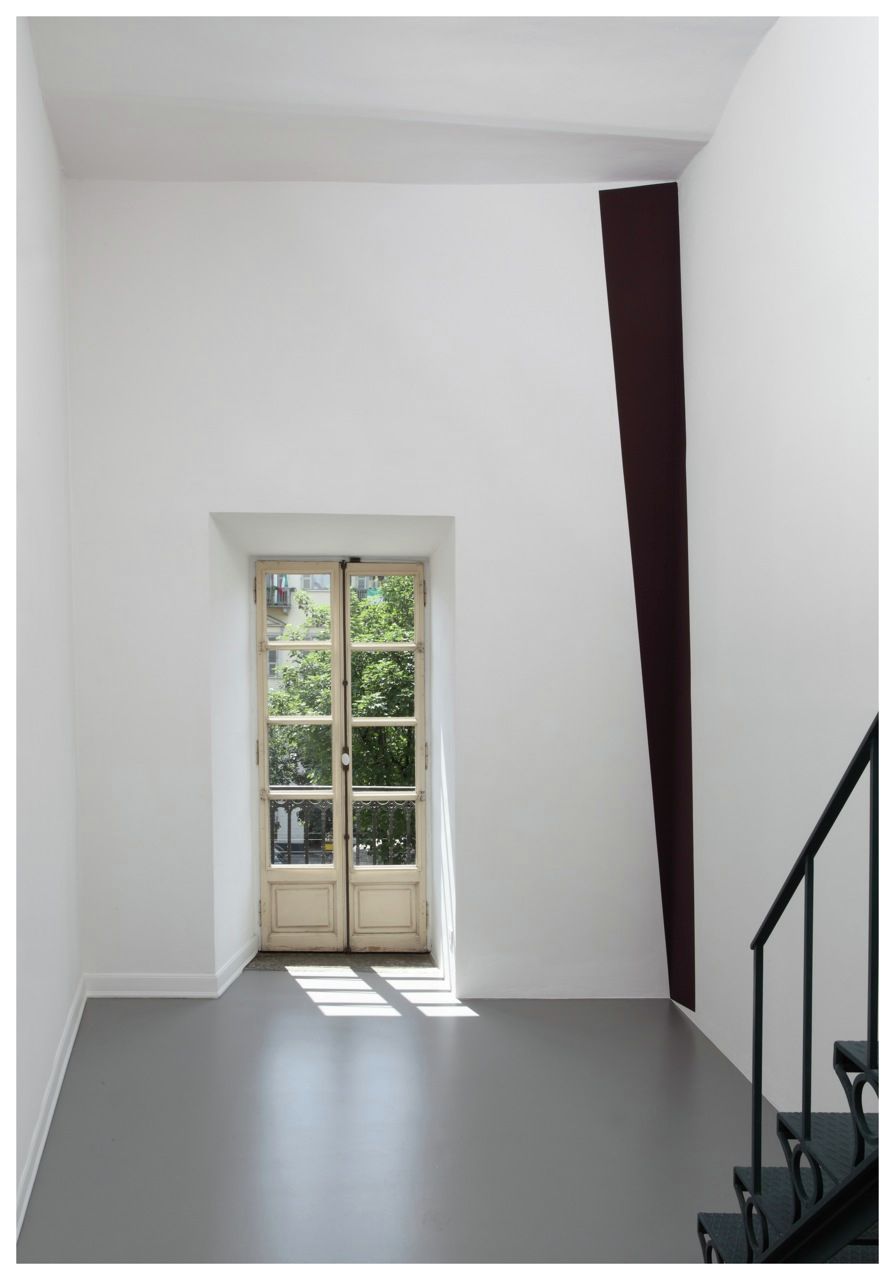
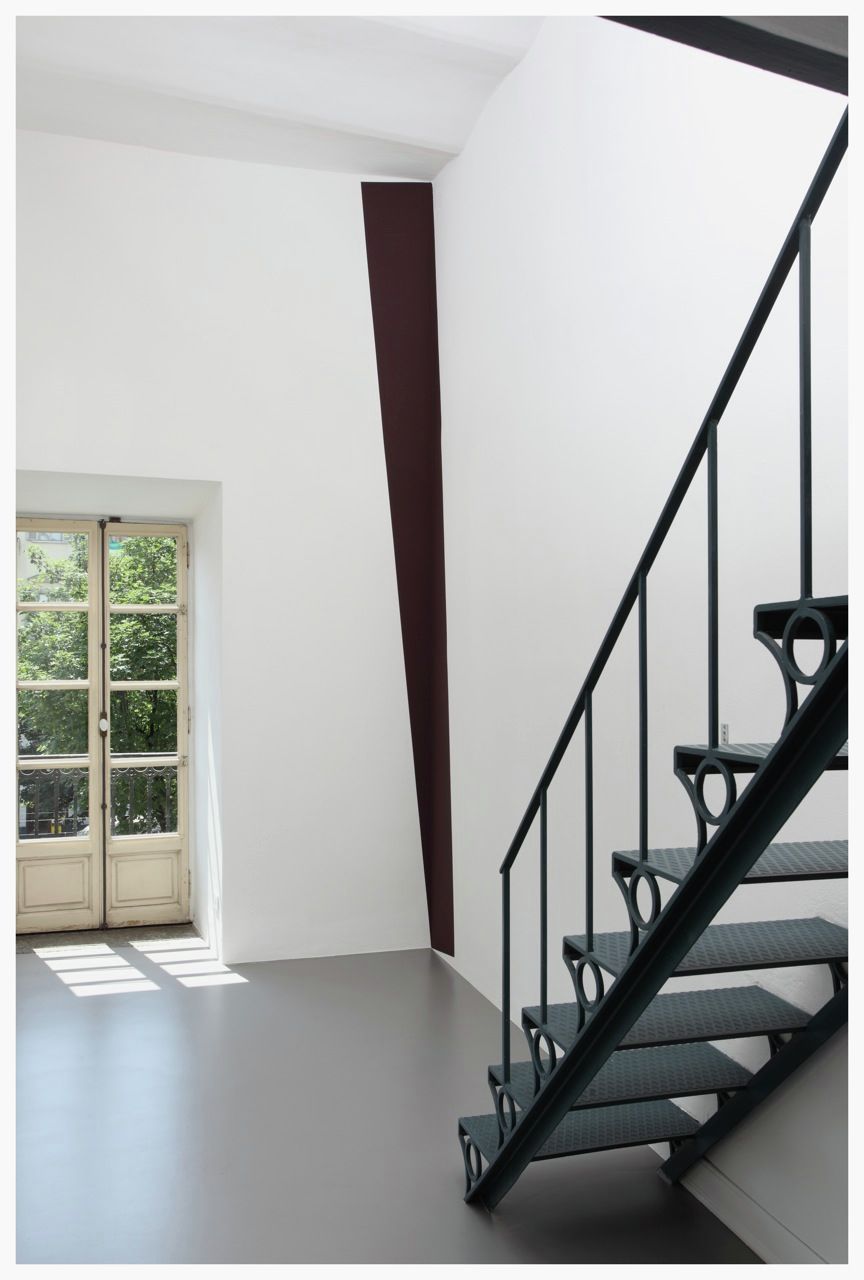
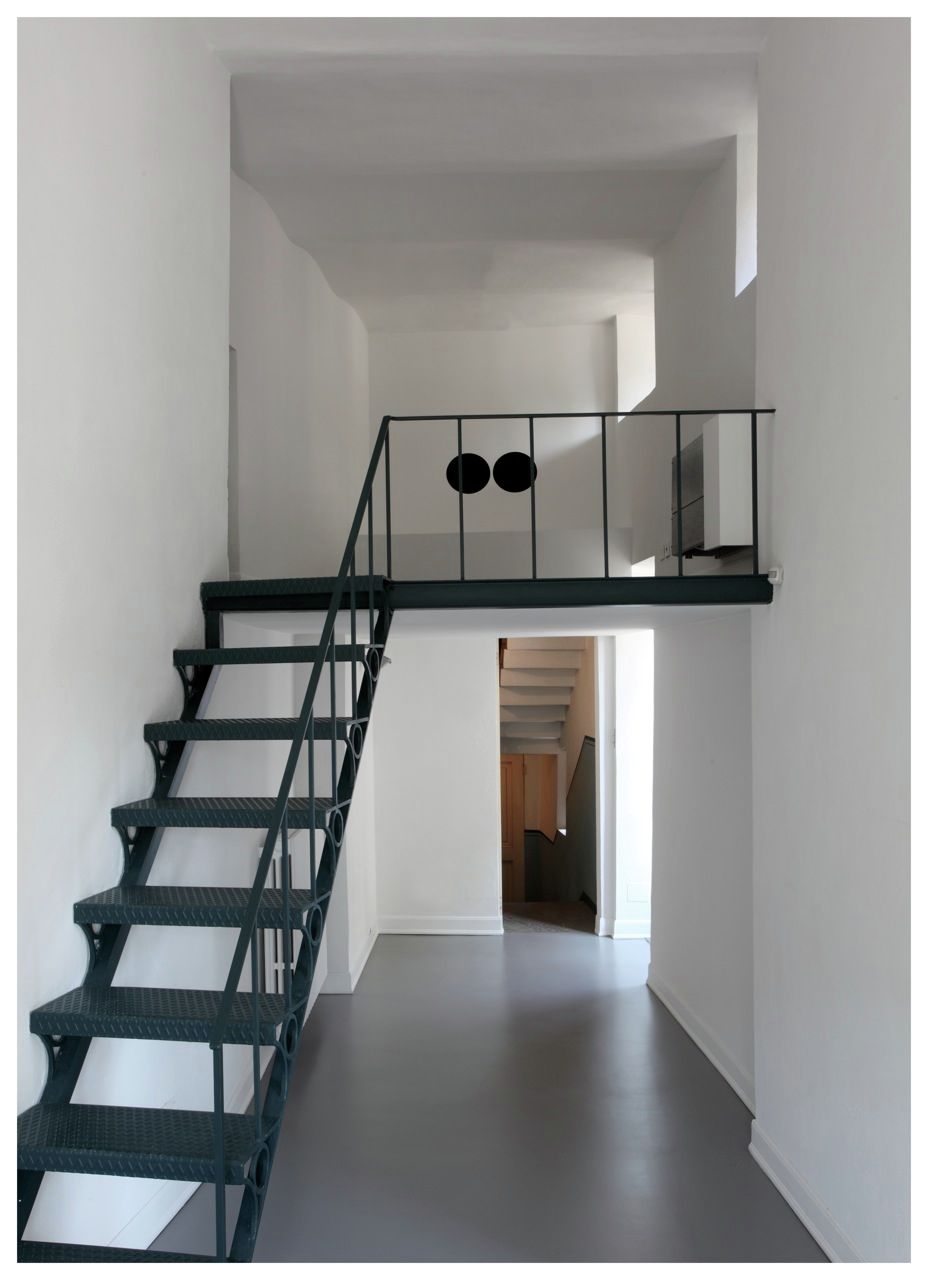
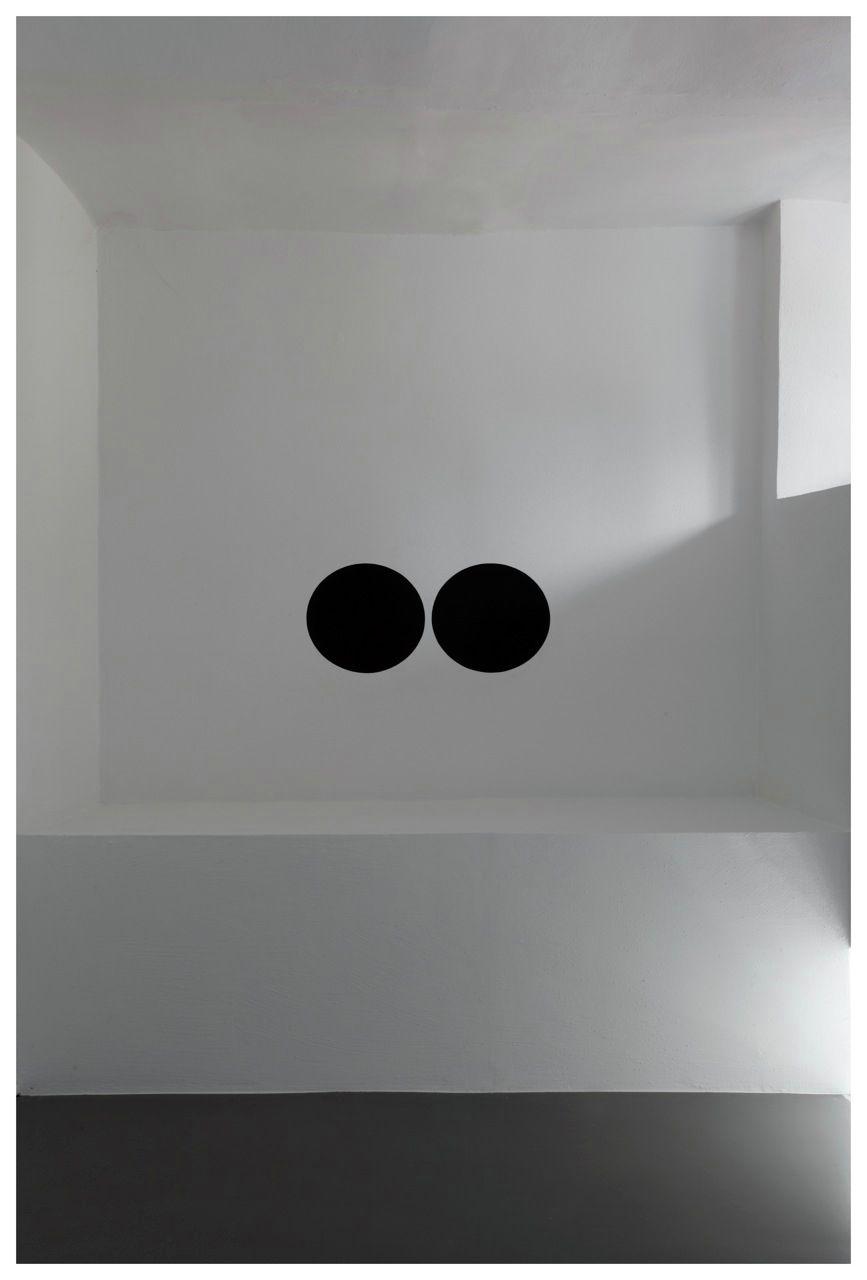
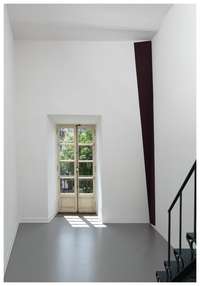
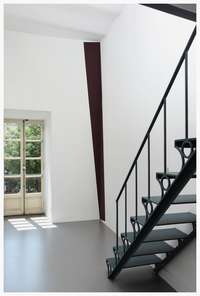
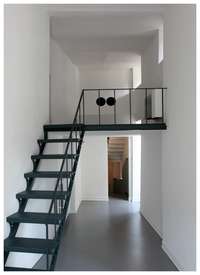
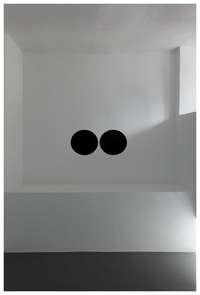
The double height of the fourth floor gets emphasized by the torsion of a maroon rectangle that covers the corner of the room like a shadow, running for its entire height and spectacularly assuming a subtly tactile and mimetic quality. At the mezzanine level two facing ovals create a visual distorsion that, despite its contained size, compete in scale with the corner intervention, allowing for the entire reading of the space.
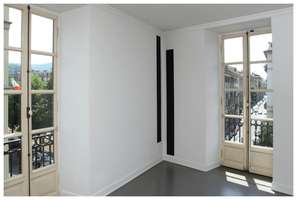
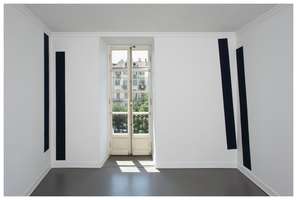
The last room hosts two facing works that play on similarity and difference, like a flickering and intermitting neon light: their similarity looks at first enhanced but is immediately strongly denied by the cornersʼ irregularities, constantly questioning the perception of the whole space, in which logic and regularity are ceaselessly contradicted.