

-
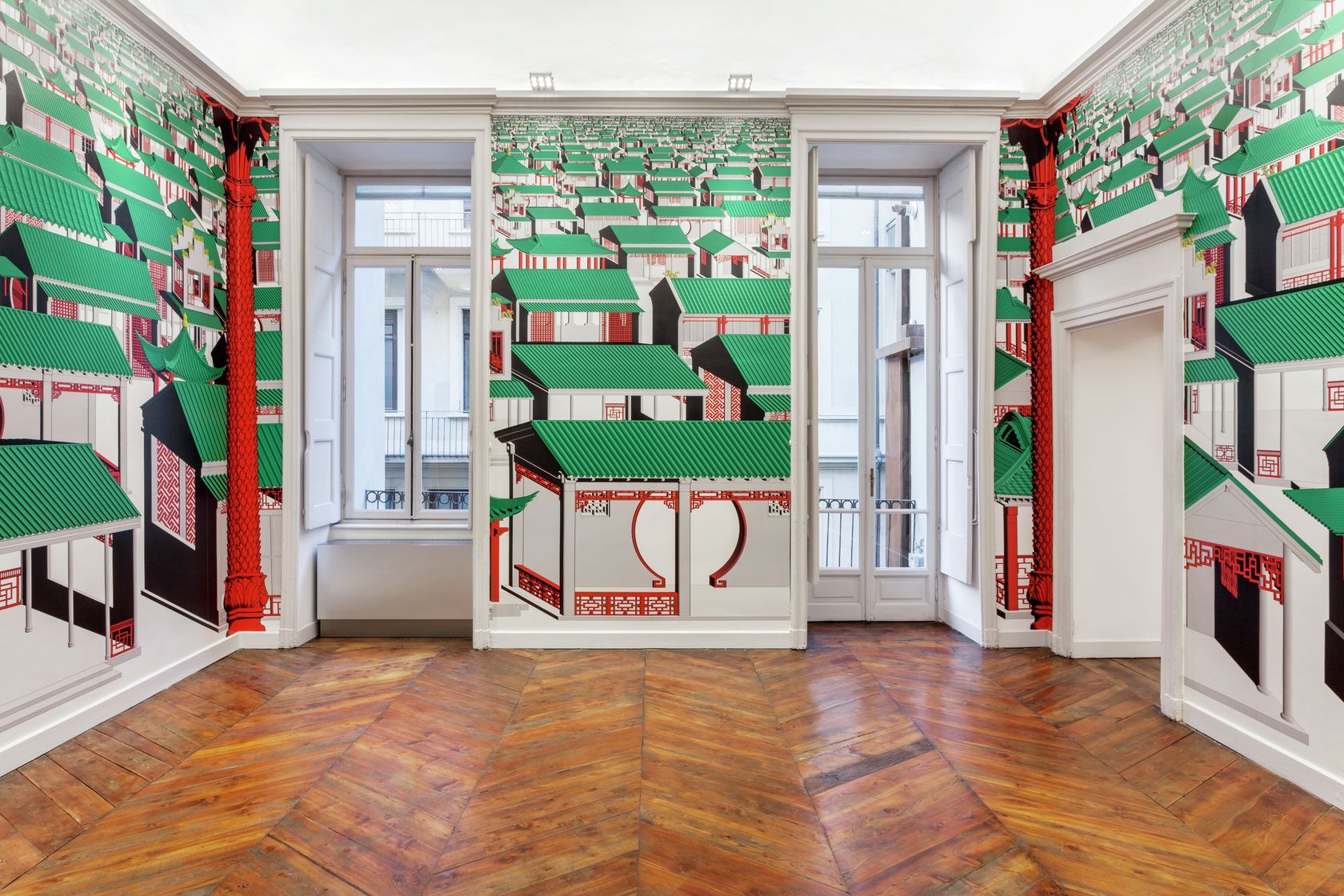
Pablo Bronstein, The largeness of China seen from a great distance – Installation view

-
Pablo Bronstein, The largeness of China seen from a great distance – Installation view

-
Pablo Bronstein, The largeness of China seen from a great distance – Installation view

-
Pablo Bronstein, The largeness of China seen from a great distance – Installation view

-
Pablo Bronstein, The largeness of China seen from a great distance – Installation view

-
Pablo Bronstein, The largeness of China seen from a great distance – Installation view

-
Pablo Bronstein, The largeness of China seen from a great distance – Installation view
-
Pablo Bronstein, The largeness of China seen from a great distance – Installation view

-
Pablo Bronstein, The largeness of China seen from a great distance – Installation view

-
Pablo Bronstein, The largeness of China seen from a great distance – Installation view

-
Pablo Bronstein, The largeness of China seen from a great distance – Installation view

-
Pablo Bronstein, The largeness of China seen from a great distance – Installation view

-
Pablo Bronstein, The largeness of China seen from a great distance – Installation view

-
Pablo Bronstein, The largeness of China seen from a great distance – Installation view

-
Pablo Bronstein, The largeness of China seen from a great distance – Installation view

-
Pablo Bronstein, The largeness of China seen from a great distance – Installation view

-
Pablo Bronstein, The largeness of China seen from a great distance – Installation view

-
Pablo Bronstein, The largeness of China seen from a great distance – Installation view

-
Pablo Bronstein, The largeness of China seen from a great distance – Installation view

-
Pablo Bronstein, The largeness of China seen from a great distance – Installation view

-
Pablo Bronstein, The largeness of China seen from a great distance – Installation view

-
Pablo Bronstein, The largeness of China seen from a great distance – Installation view

-
Pablo Bronstein, The largeness of China seen from a great distance – Installation view

-
Pablo Bronstein, The largeness of China seen from a great distance – Installation view

-
Pablo Bronstein, The largeness of China seen from a great distance – Installation view

-
Pablo Bronstein, The largeness of China seen from a great distance – Installation view
-
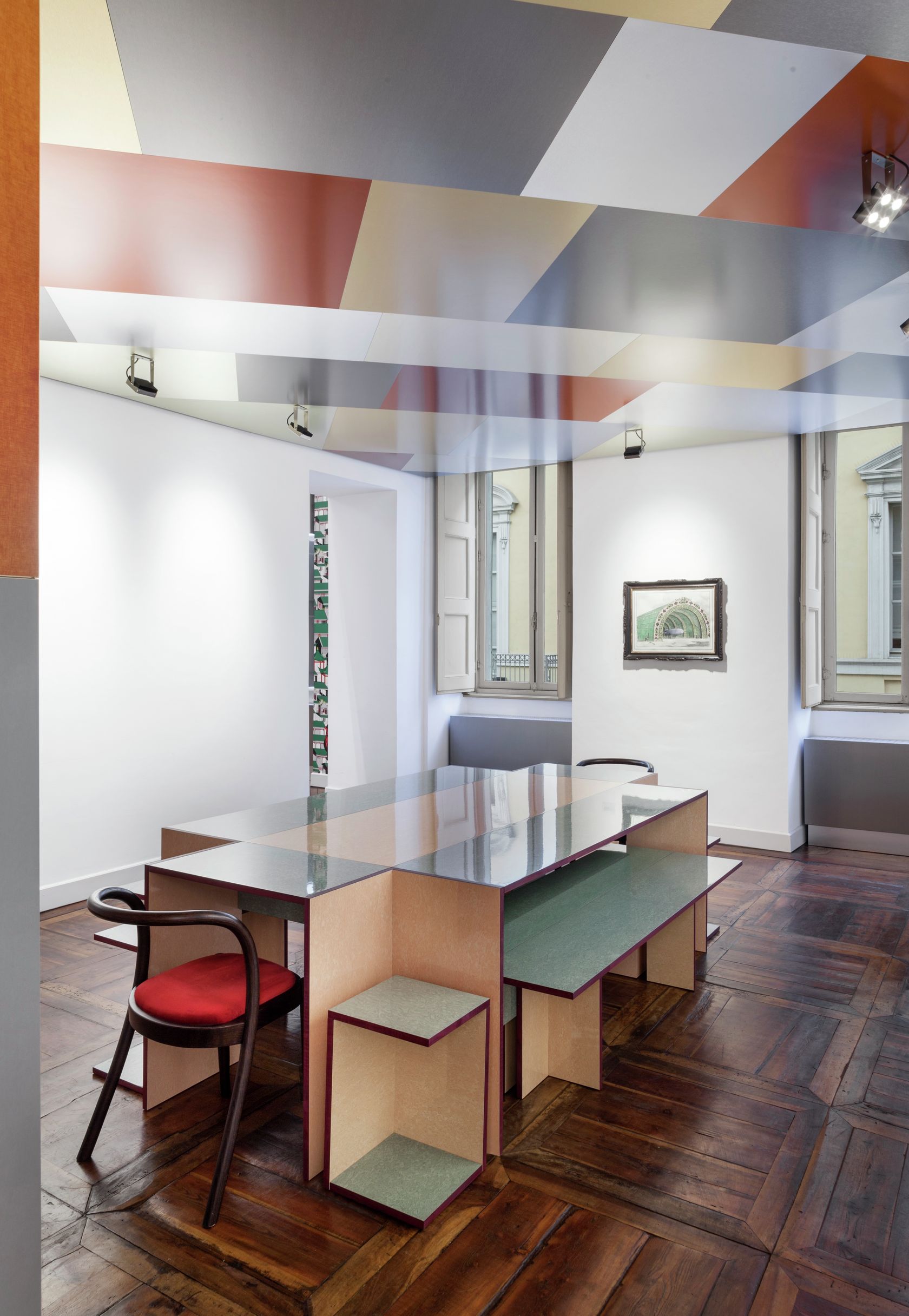
Pablo Bronstein, The largeness of China seen from a great distance – Installation view

-
Pablo Bronstein, The largeness of China seen from a great distance – Installation view
-
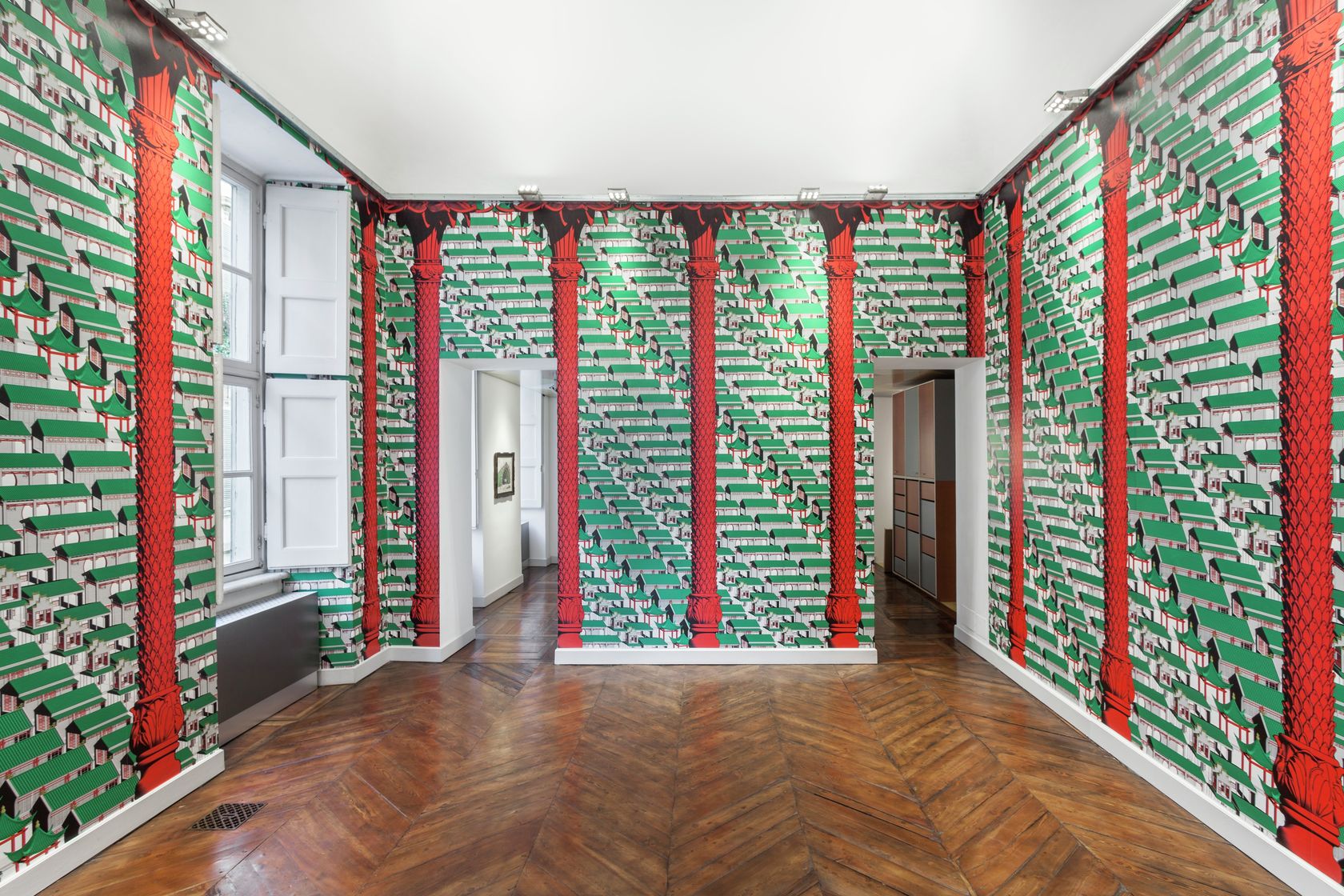
Pablo Bronstein, The largeness of China seen from a great distance – Installation view


-
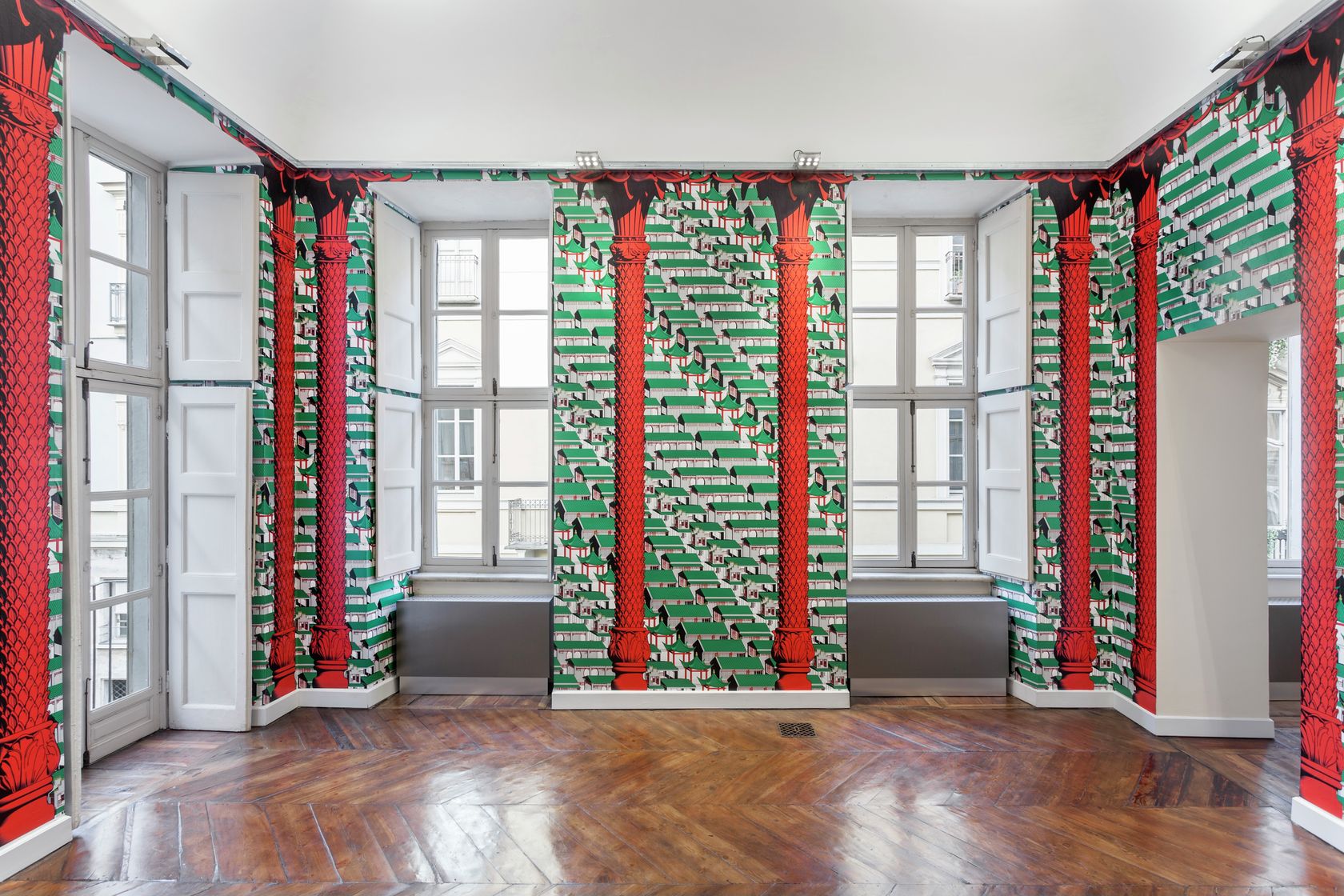
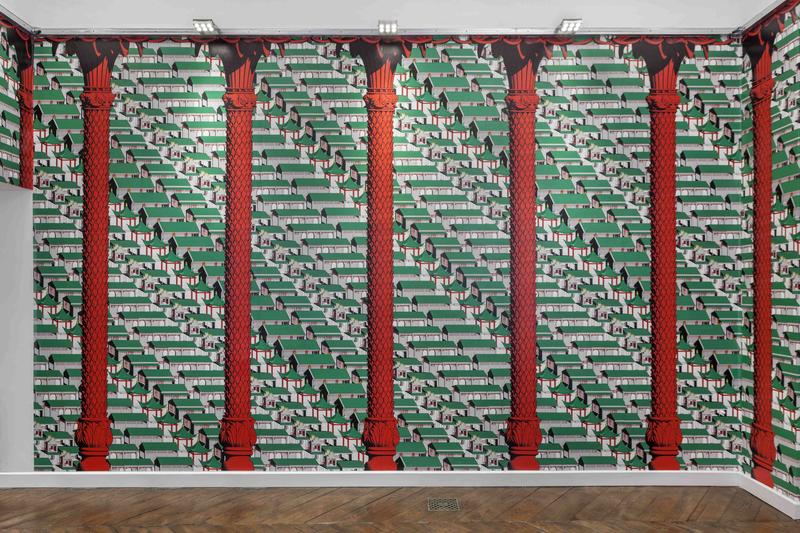
Pablo Bronstein, Tiers of houses, 2017
-
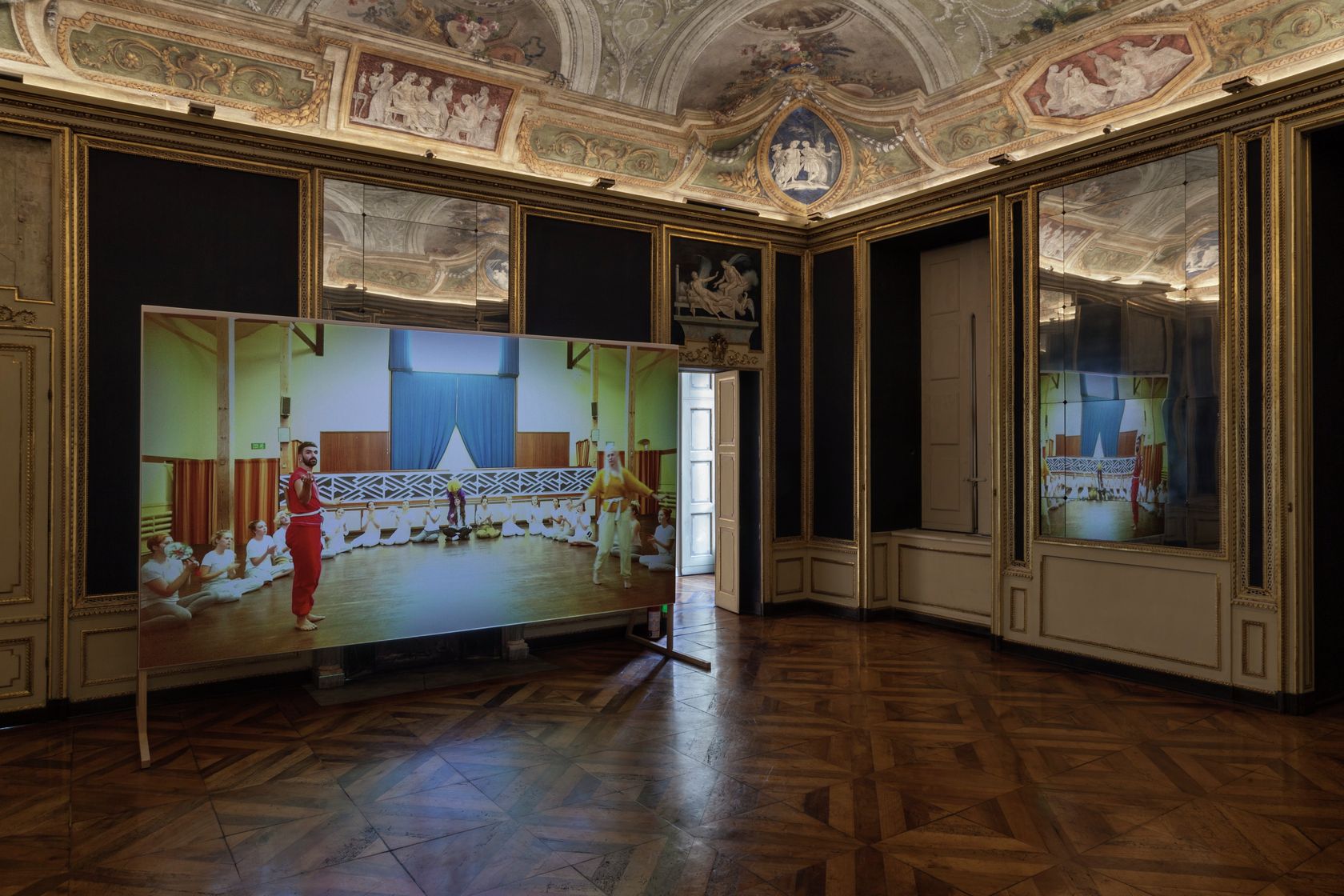
Pablo Bronstein, Entertainment at court: 100 European Style ways to greet a casual acquaintance in passing, 2017
-
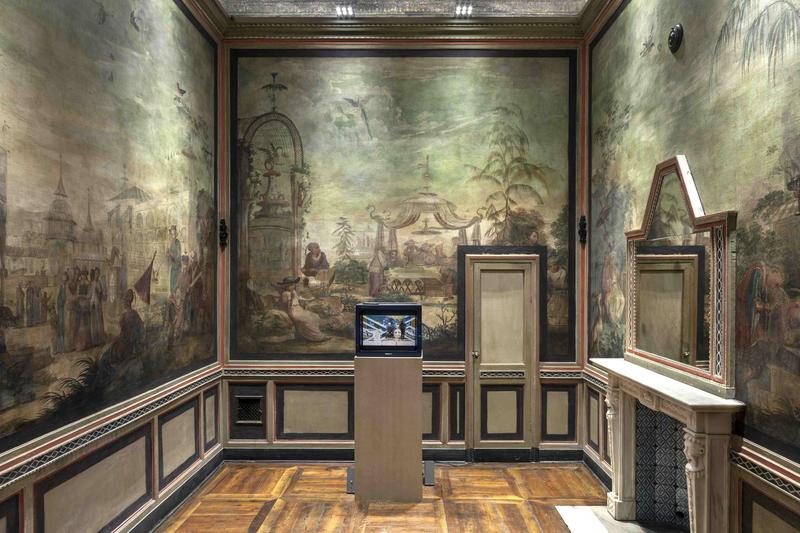
Pablo Bronstein, Moon Revealed throughout Prunus Blossom, 2017
-
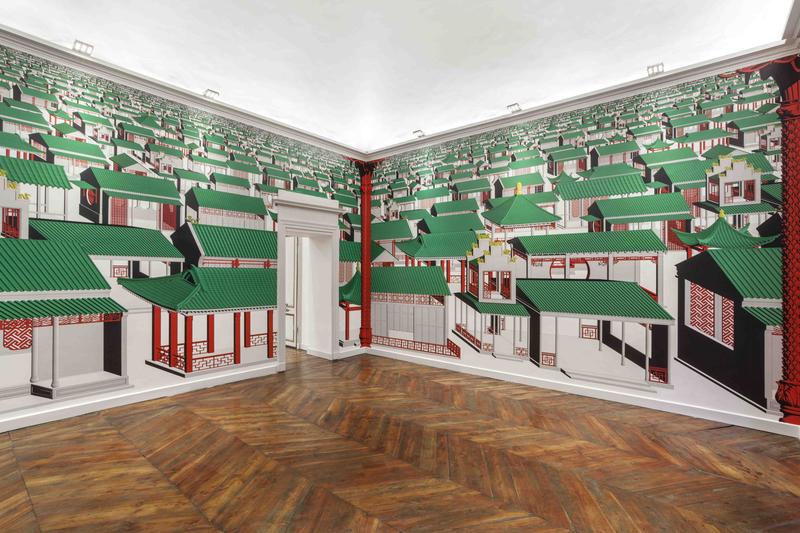
Pablo Bronstein, Town, 2017
-
Pablo Bronstein, Emperor in Flower Garden, 2017 –
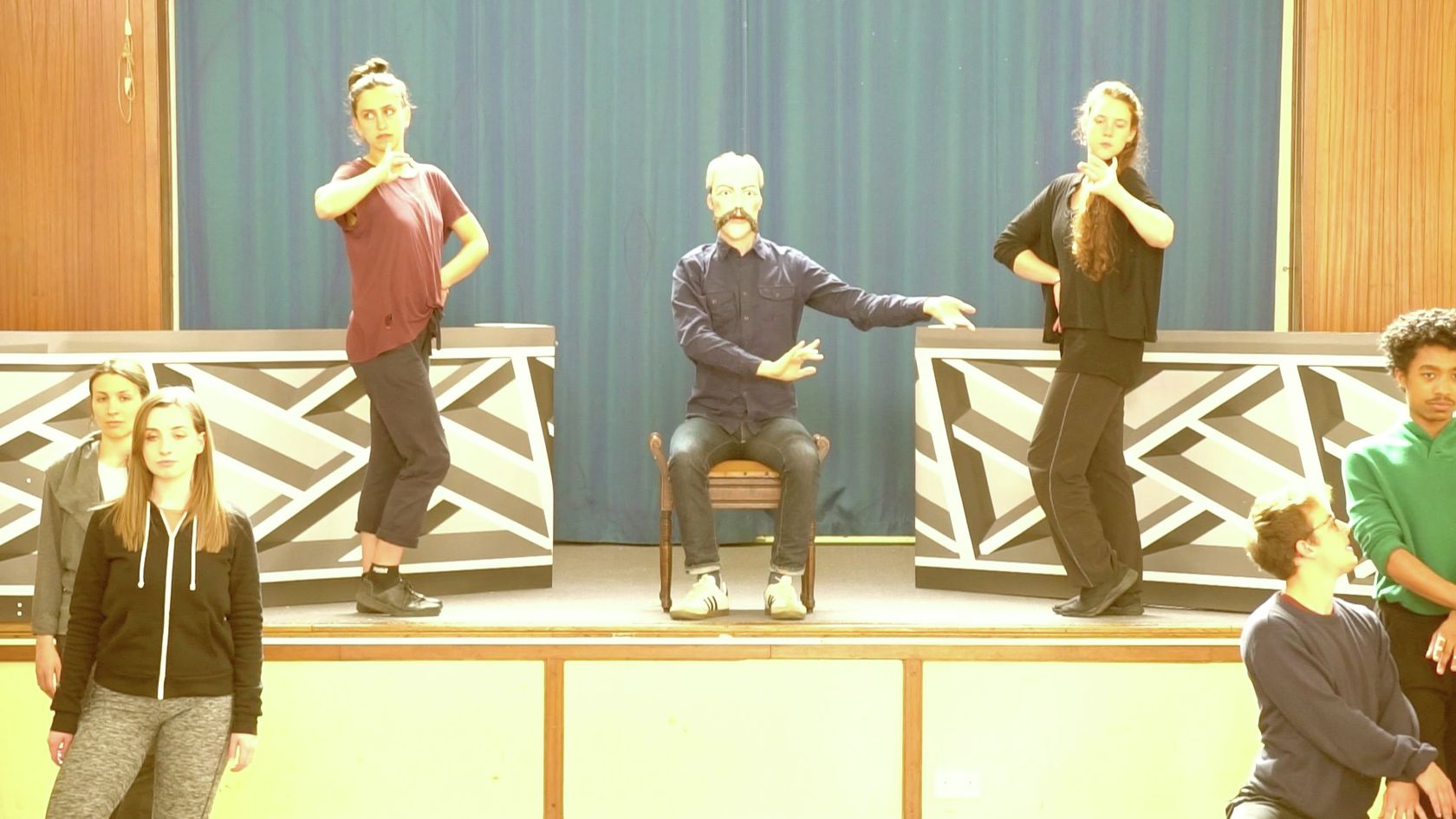
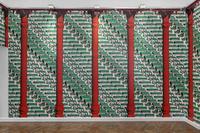
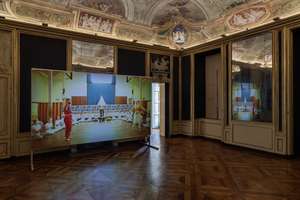
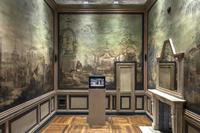
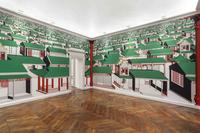

Galleria Franco Noero is pleased to present The largeness of China seen from a great distance, the fifth solo exhibition by Pablo Bronstein in Turin and his first hosted in the gallery space of Piazza Carignano 2.
"The ‘piano nobile’ of Piazza Carignano 2 features an 18th century room decorated in chinoiserie - a style developed in Europe in the 17th century that sought to evoke a romantic feeling for the East. As this little room shows, Europe has been obsessed with China for a very long time. Its trade in Chinese luxury goods developed into something of a mania in the 18th century, with huge efforts in attempting to imitate porcelain, wallpaper and textiles imported from the East. This fascination with what China could produce, and what these objects symbolized was the stepping-stone to the growth of global European empires, as well as being a major spur to the Industrial Revolution. The amount of technological and artistic points of difference with the West, its perceived political and cultural opacity and unreadability, its sheer size and dramatic scale, the perceived omnipotence of its leaders, has resulted in an admiration that is tinged with fear. What is clear is that China has always returned the European gaze, both hostile and keen. Just as there are palaces in Europe in a style imitating ‘Chinese’ style, so palaces were built in China in imitation of European tastes, complete with imported objects, technologies and art made in a Western style. These cultural exchanges should be seen as part of a history of attempting to understand and codify the others’ highly developed ‘equivalent’ cultures. However, the European visual recreation of China is principally a looking-glass in which Europe regards itself while wearing fancy-dress. This imagining of China is a European projection of itself onto a different terrain, of its fears and desires transposed. For this exhibition I make particular reference to the import and imitation of Chinese wall coverings and wallpapers popular in the 18th century, the Orientalism of classical and baroque ballet, and a theory of architectural and design illustrations from the 18th to the 20th century that attempt to grapple with the vastness and remoteness of China from a historical European perspective."
Pablo Bronstein