

-
Paulo Nazareth, Banderas Rotas – Installation view
-
Paulo Nazareth, Banderas Rotas – Installation view
-
Paulo Nazareth, Banderas Rotas – Installation view
-
Paulo Nazareth, Banderas Rotas – Installation view
-
Paulo Nazareth, Banderas Rotas – Installation view
-
Paulo Nazareth, Banderas Rotas – Installation view
-
Paulo Nazareth, Banderas Rotas – Installation view
-
Paulo Nazareth, Banderas Rotas – Installation view
-
Paulo Nazareth, Banderas Rotas – Installation view
-
Paulo Nazareth, Banderas Rotas – Installation view
-
Paulo Nazareth, Banderas Rotas – Installation view
-
Paulo Nazareth, Banderas Rotas – Installation view
-
Paulo Nazareth, Banderas Rotas – Installation view
-
Paulo Nazareth, Banderas Rotas – Installation view
-
Paulo Nazareth, Banderas Rotas – Installation view
-
Paulo Nazareth, Banderas Rotas – Installation view
-
Paulo Nazareth, Banderas Rotas – Installation view
-
Paulo Nazareth, Banderas Rotas – Installation view
-
Paulo Nazareth, Banderas Rotas – Installation view
-
Paulo Nazareth, Banderas Rotas – Installation view
-
Paulo Nazareth, Banderas Rotas – Installation view
-
Paulo Nazareth, Banderas Rotas – Installation view
-
Paulo Nazareth, Banderas Rotas – Installation view
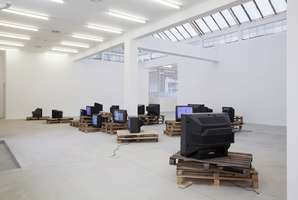
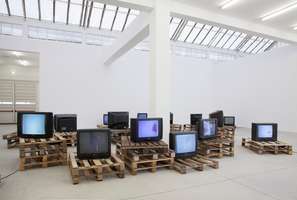
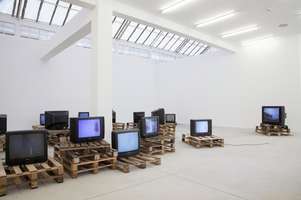

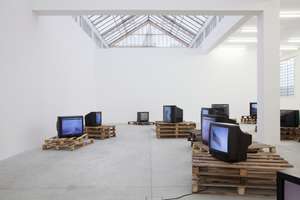
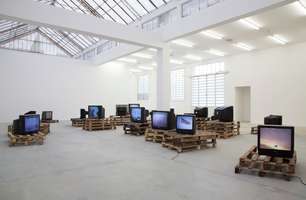
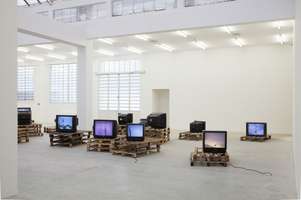
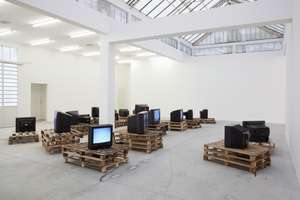
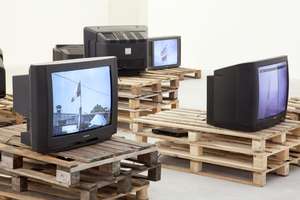

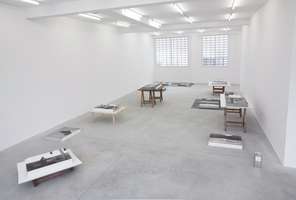
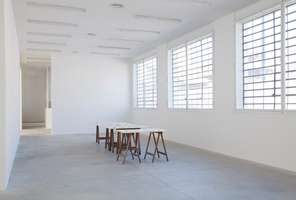

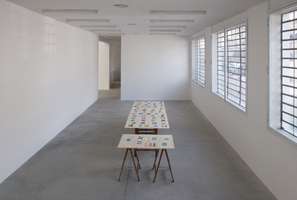
Galleria Franco Noero is pleased to present Paulo Nazarethʼs Rotas Banderas, the artistʼs first solo exhibition in Italy and in Europe.
Life and art often coincide in the work of Paulo Nazareth. Using the language of art and through participation and the choice and representation of objects, the artist works on issues that explore the relationship between people and the many different contexts they live in.
In many cases he investigates the concepts of ethnicity and ideology, in a profound analysis of the imbalances in the world that surrounds us both socially and ethically. A key element in the life of this young Brazilian artist is the act of walking and indeed he ventures off on long journeys across continents. One of these was in 2011, when a nine-month trip took him from Minais Geras, his hometown in Brazil, to Miami, Florida, on the occasion of the Art Basel exhibition in Miami Beach. As though in a never-ending performance, Paulo Nazareth sublimates the journey and returns it through his works, in photographs, drawings and installations that appear as chronicles and diaries, and catalogues of images.
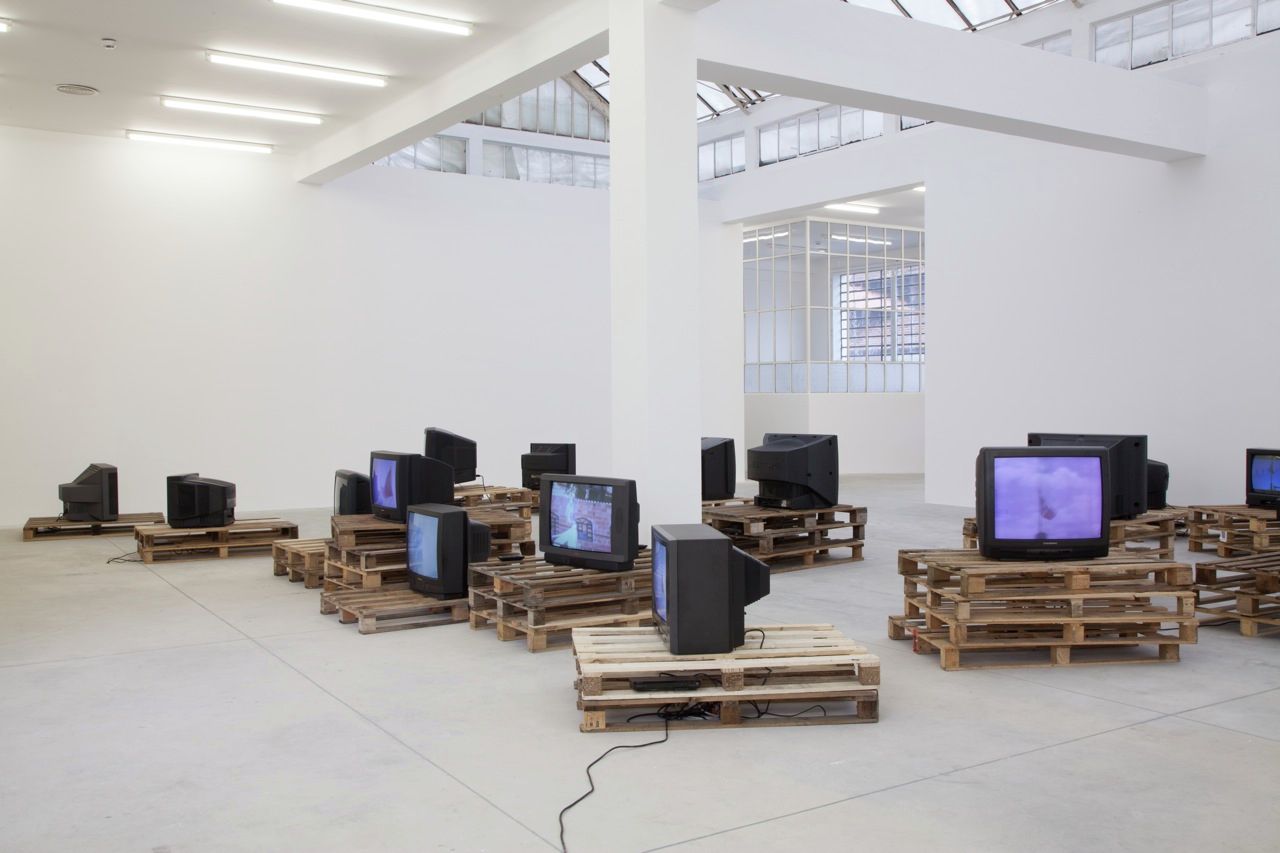
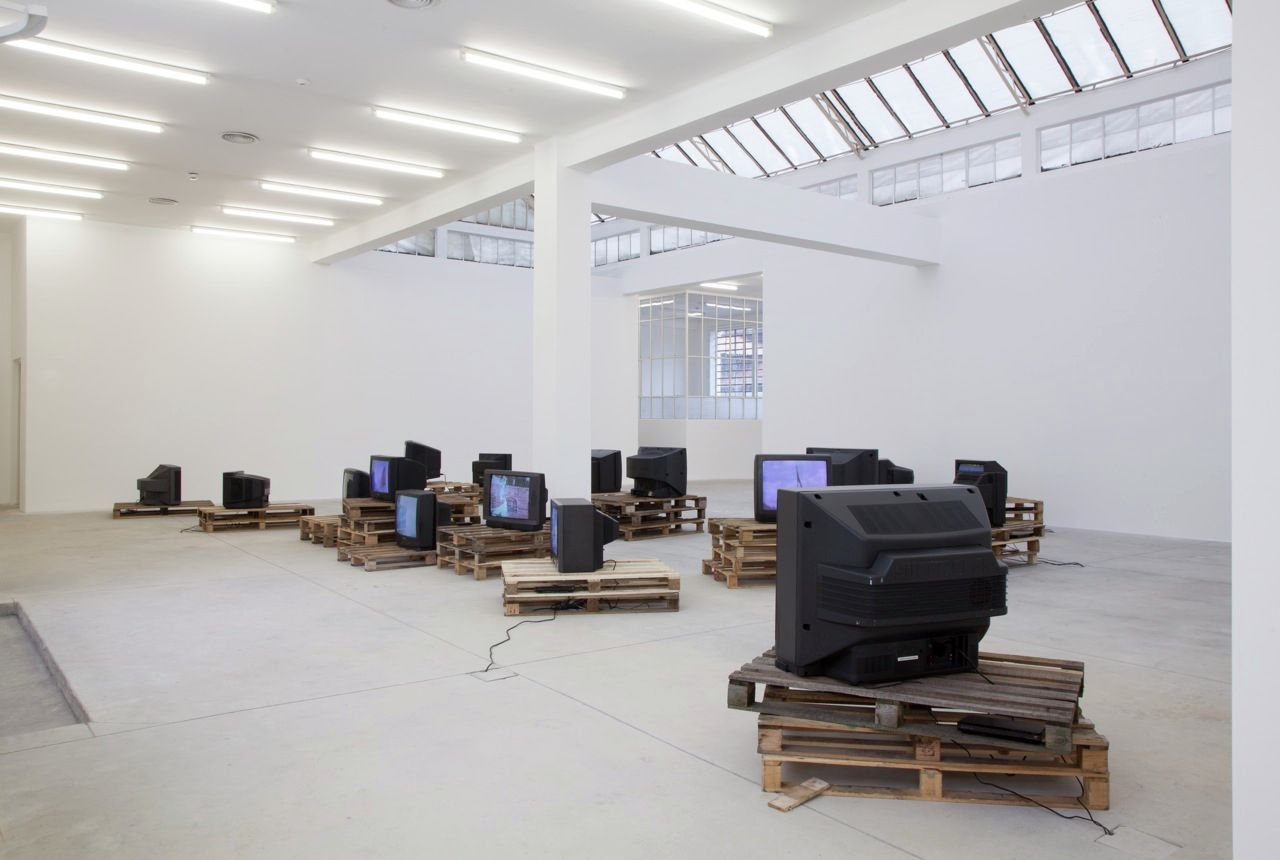
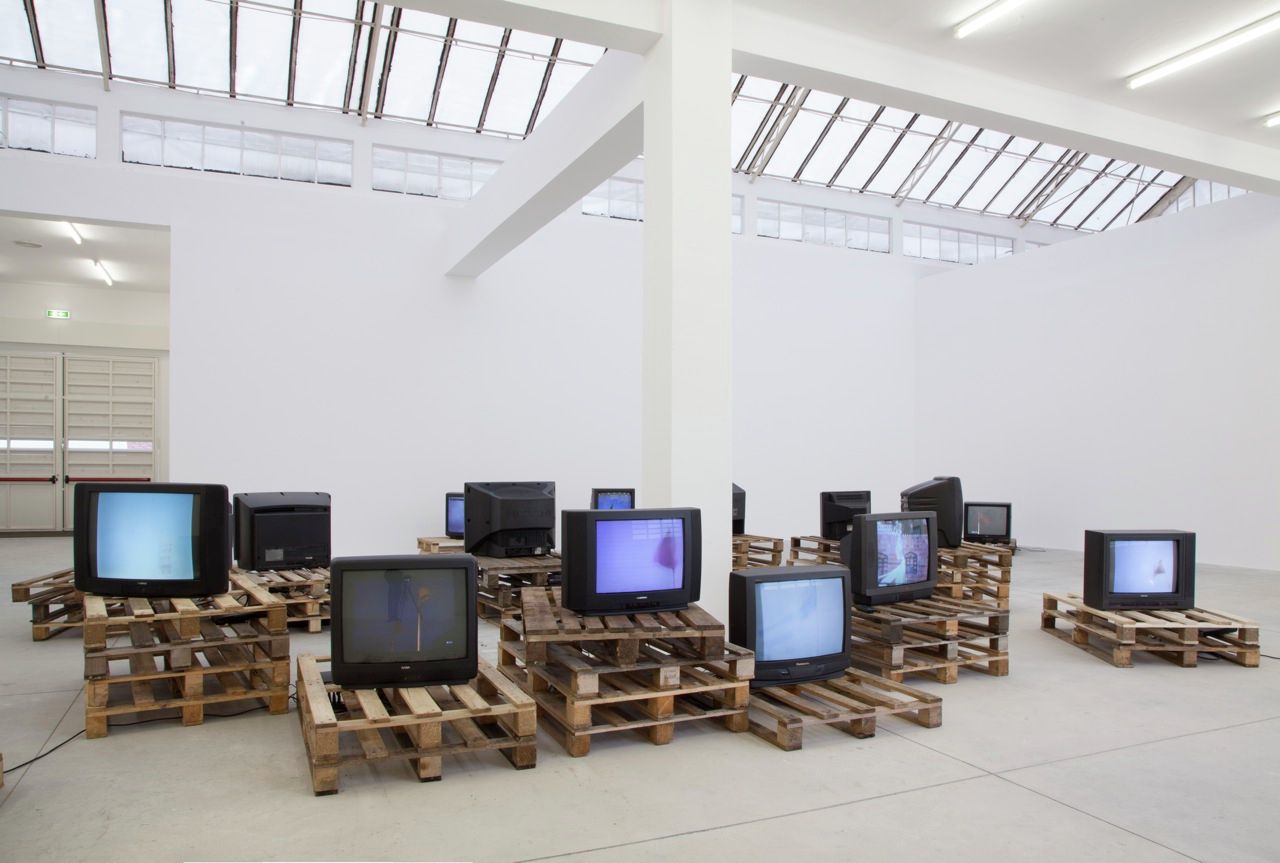
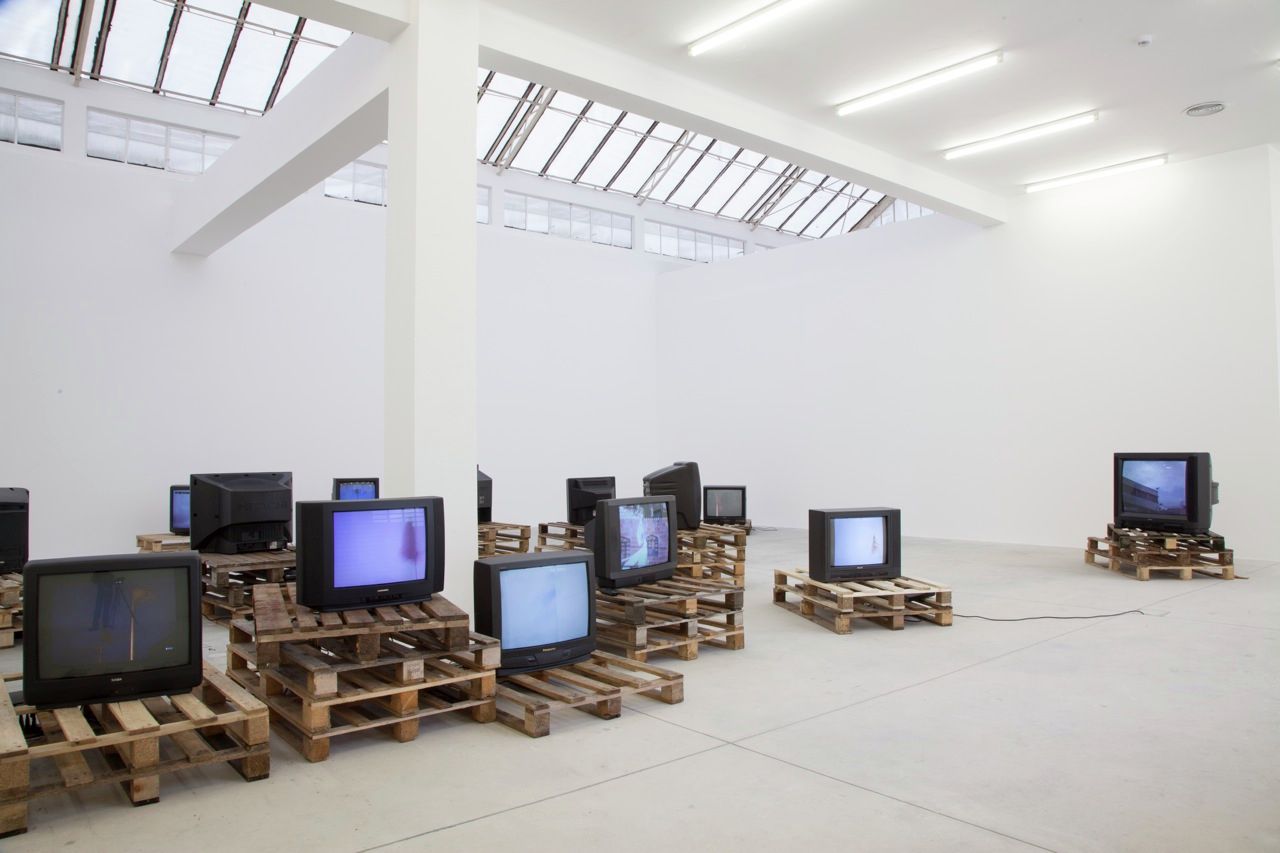
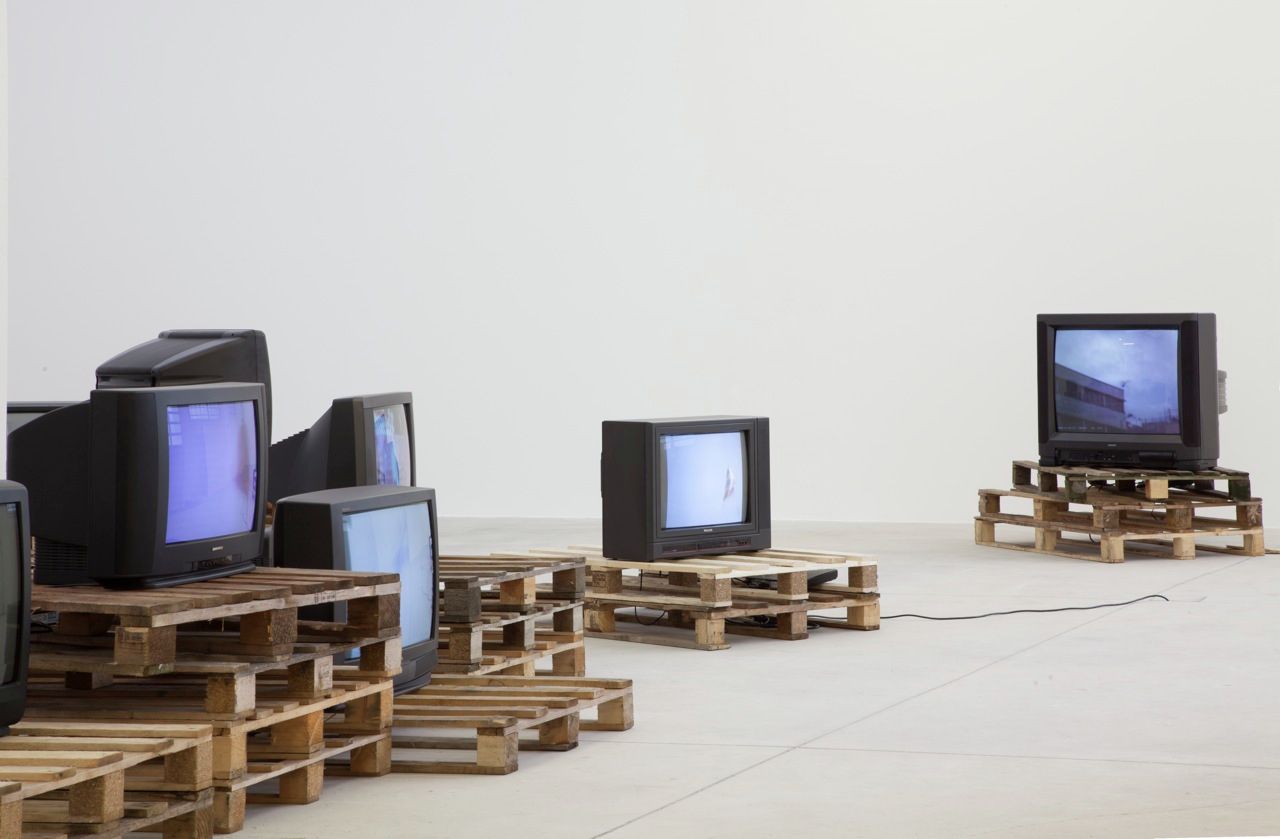
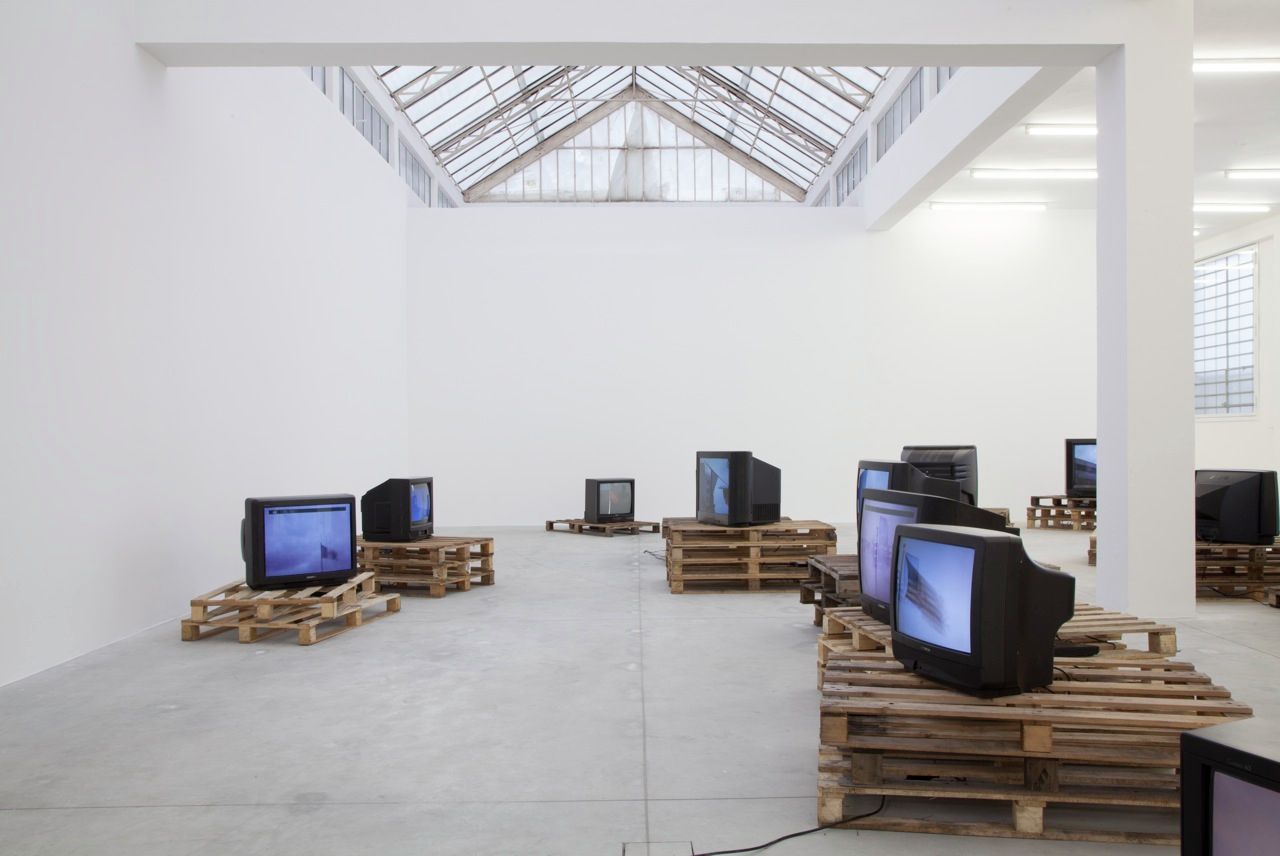
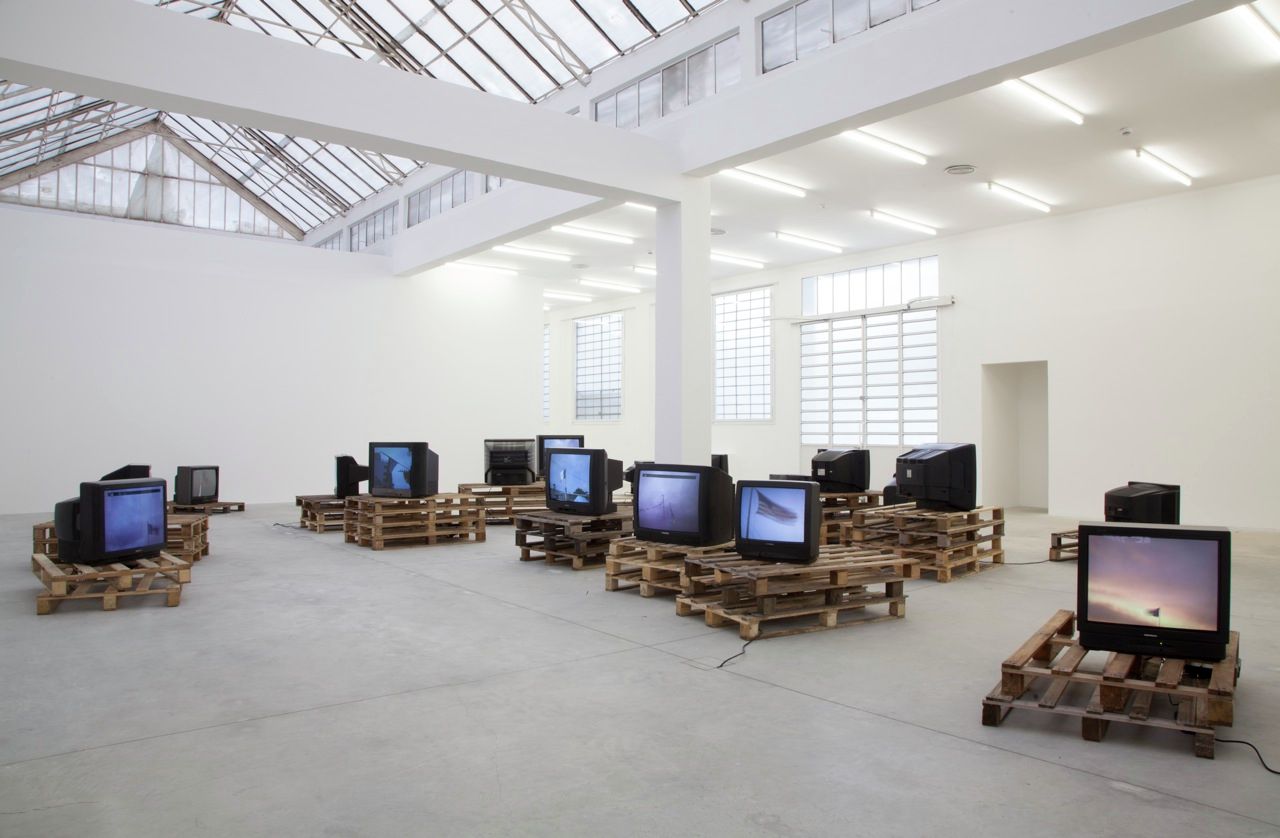
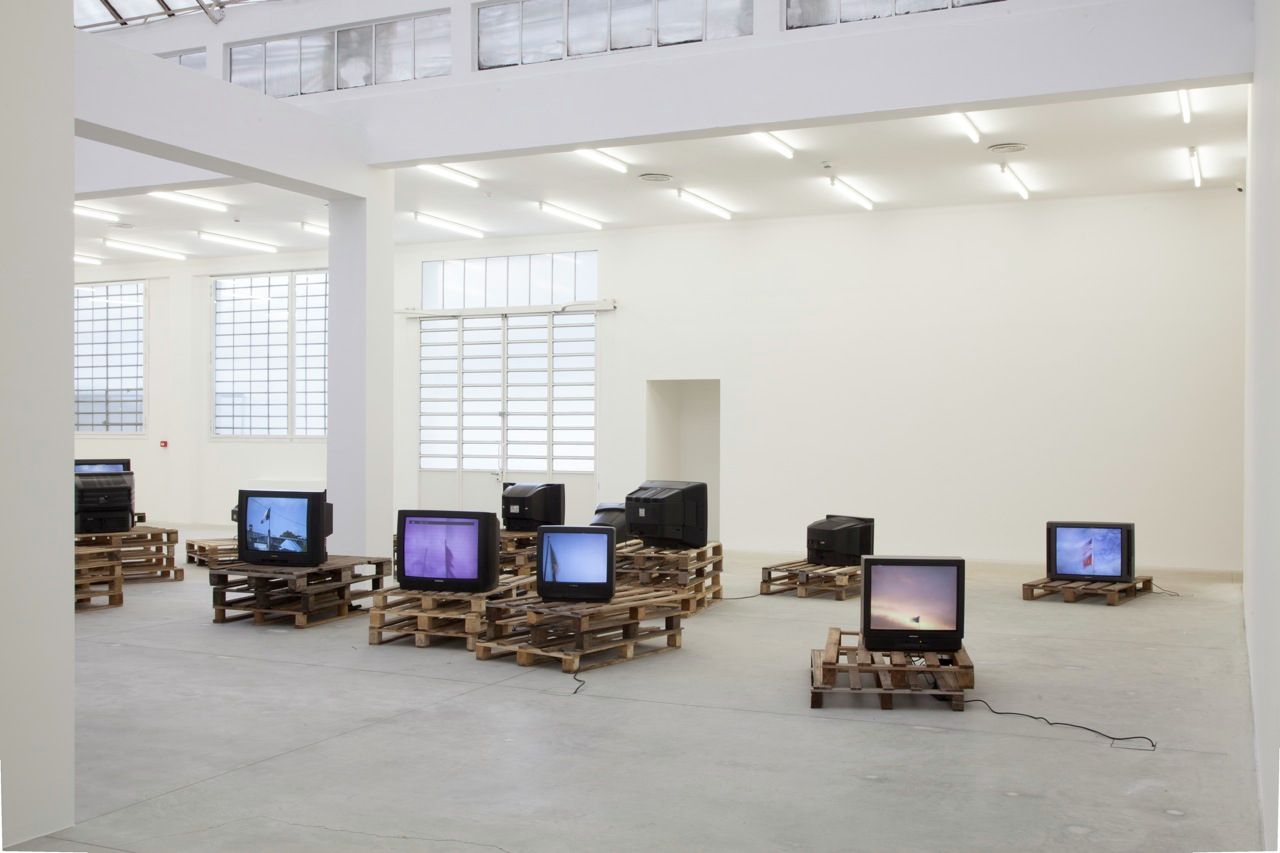
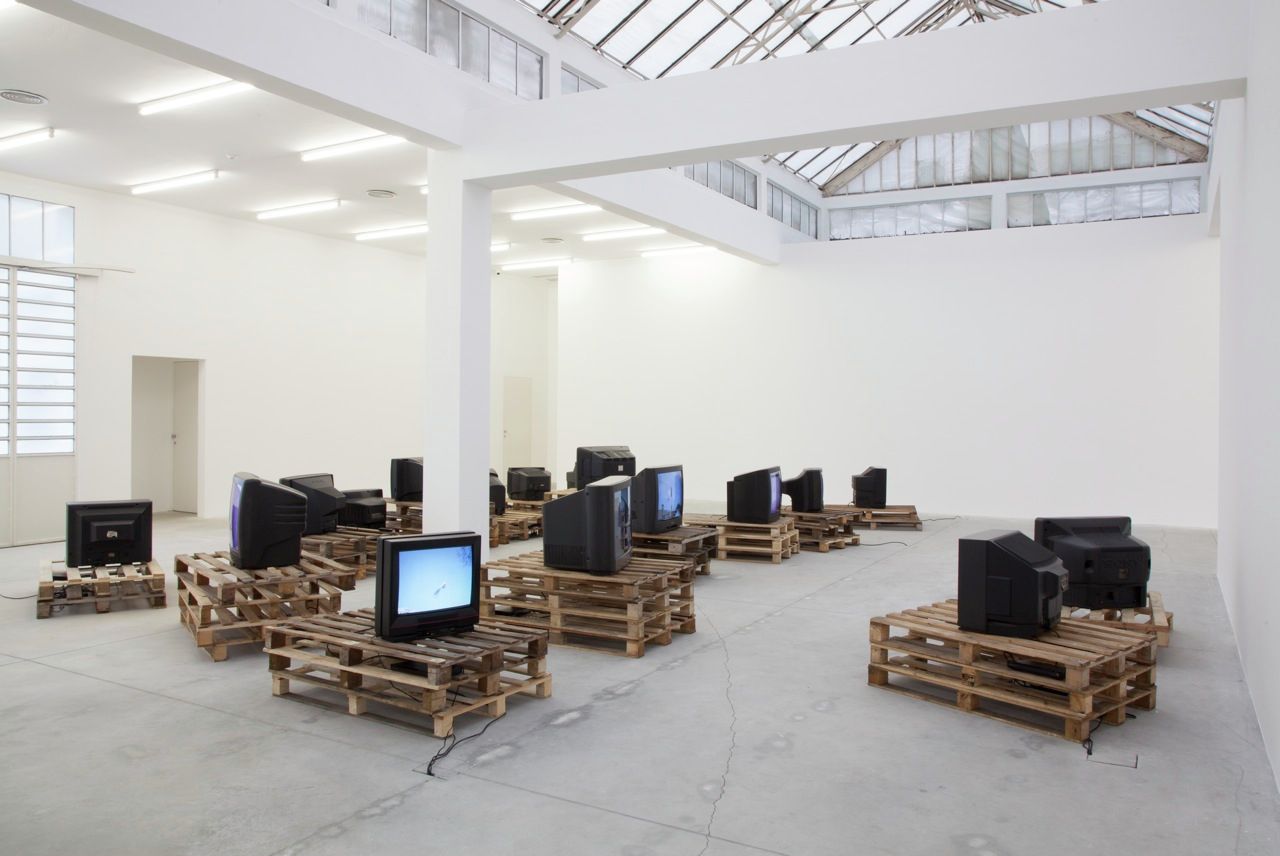
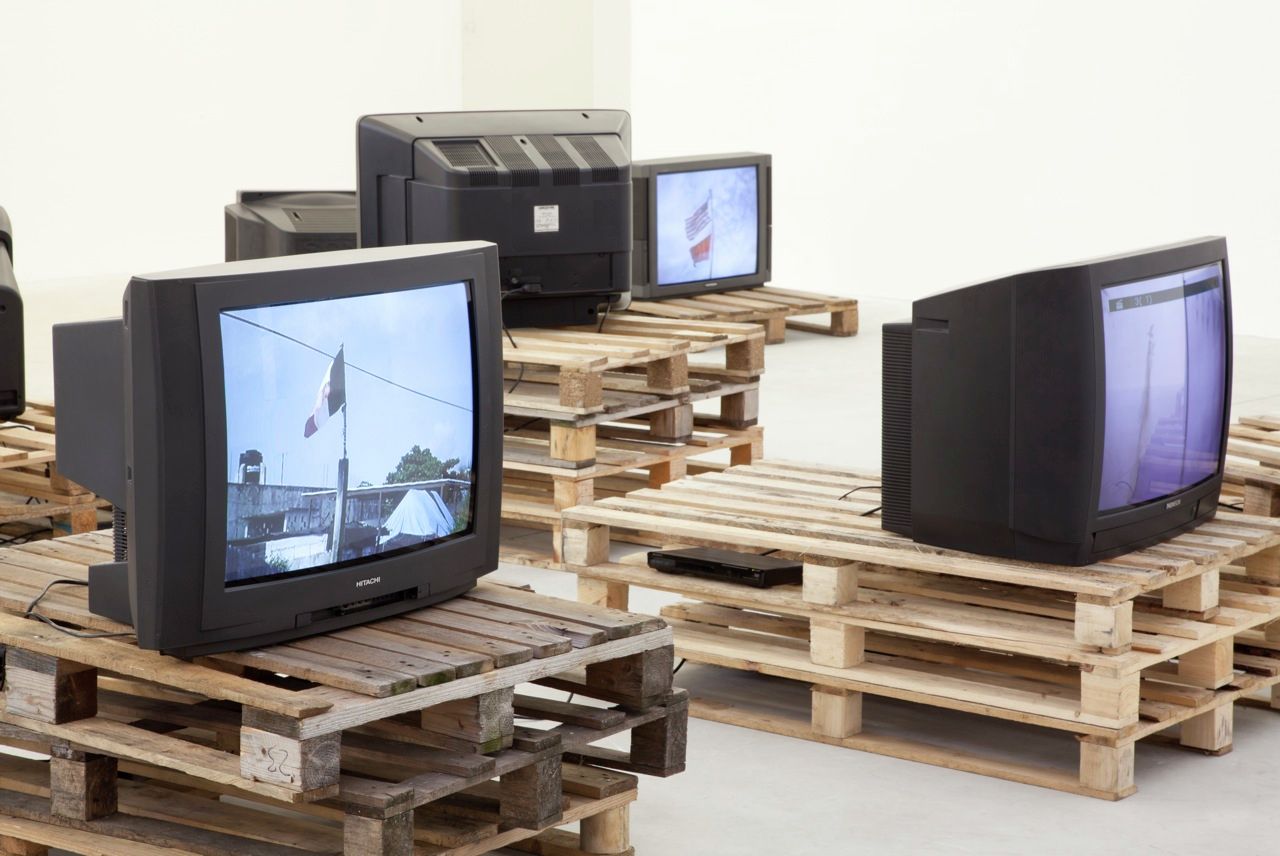
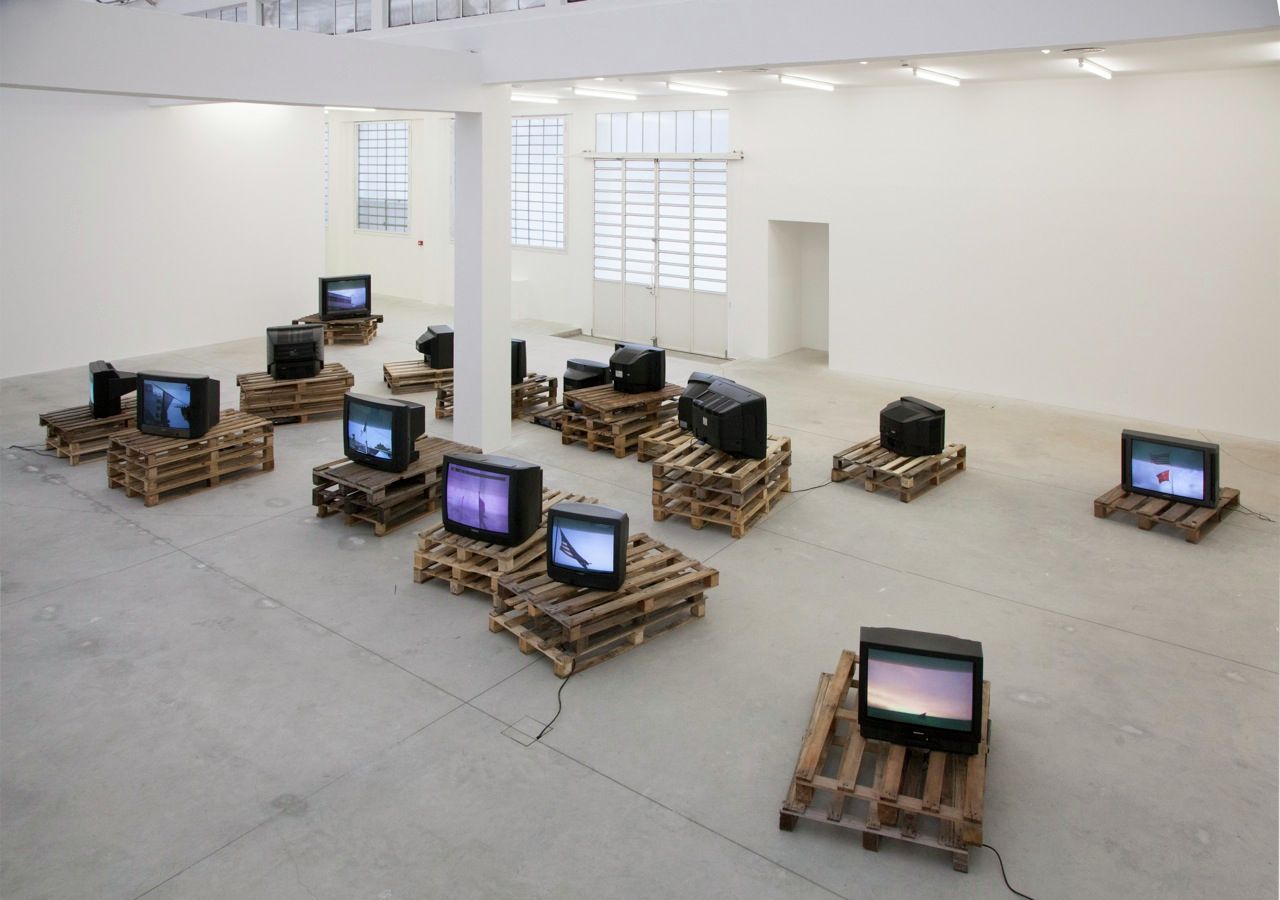
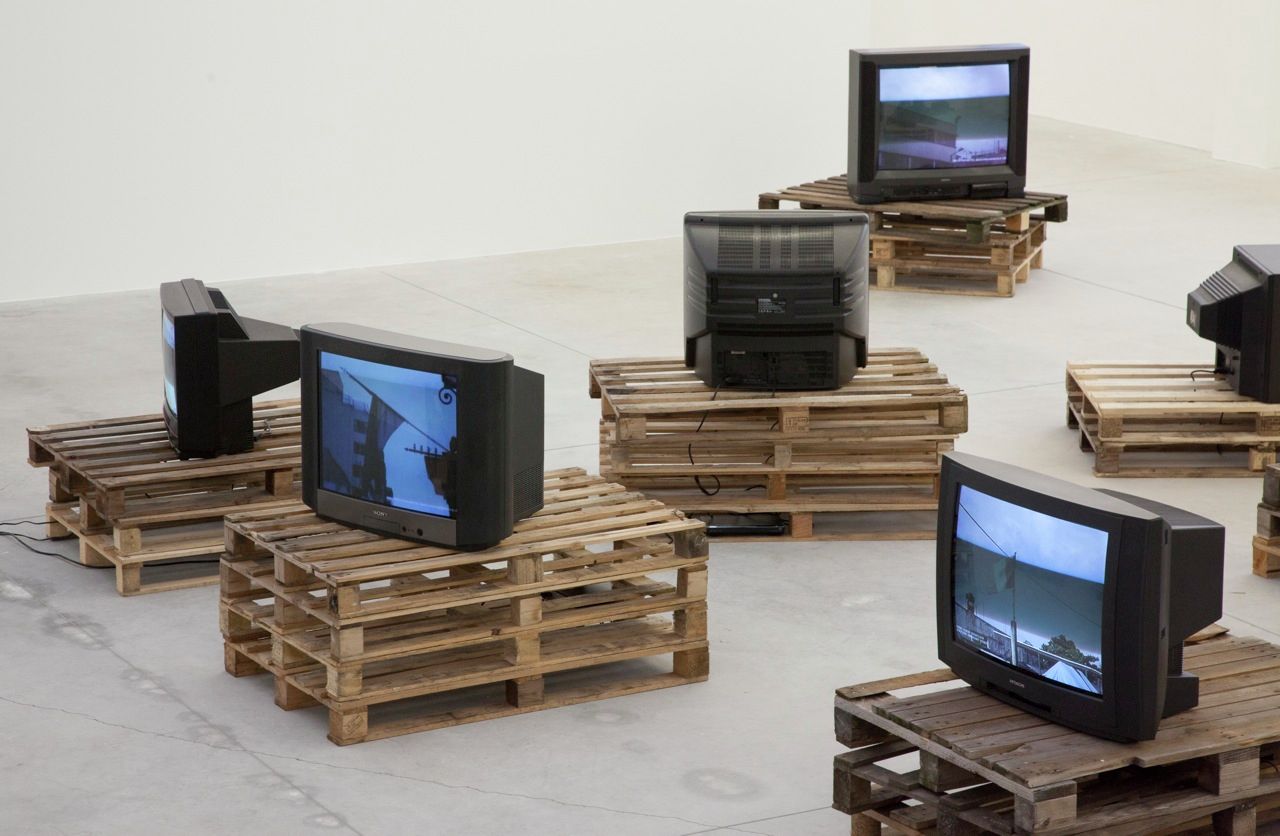
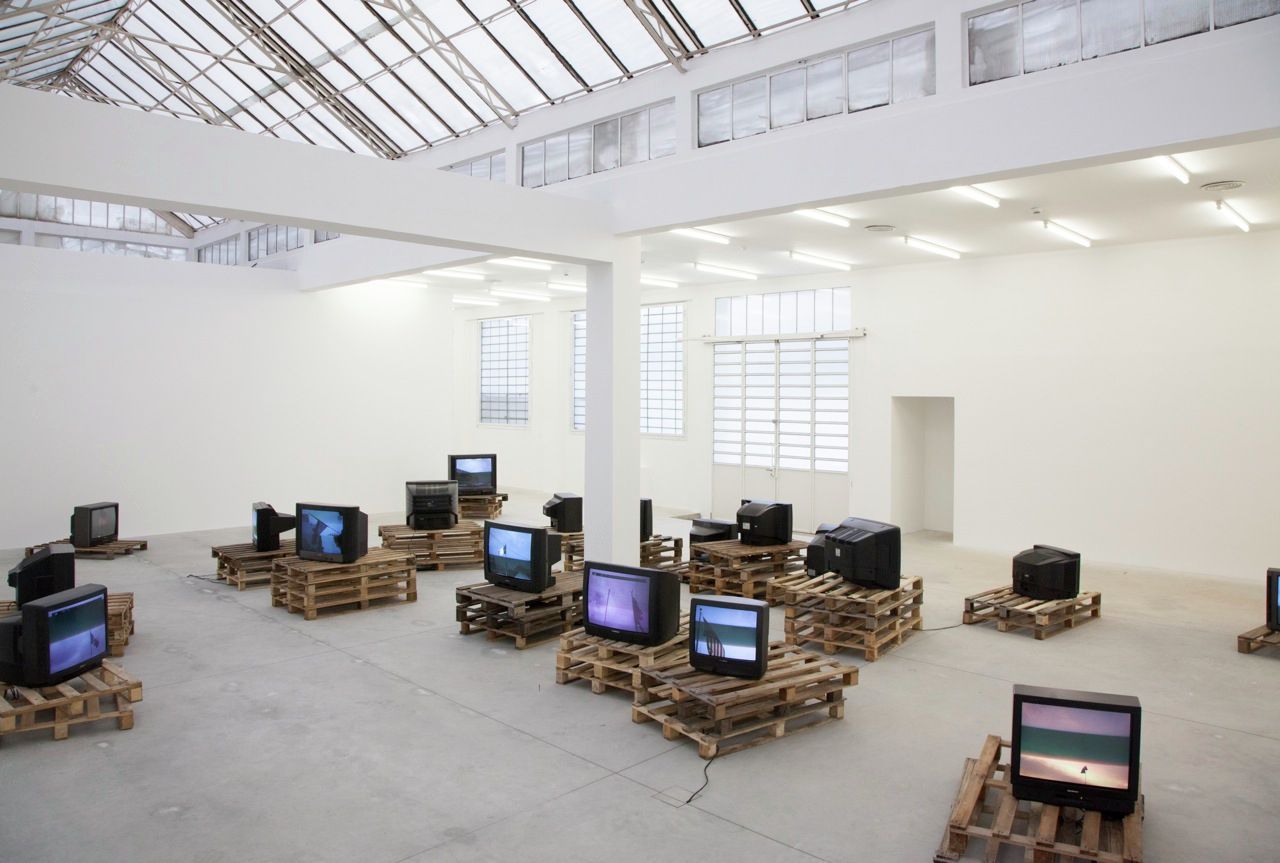
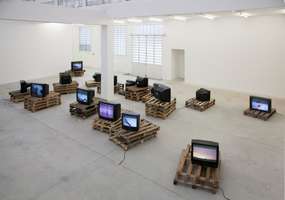
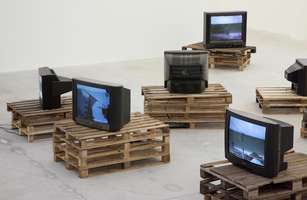
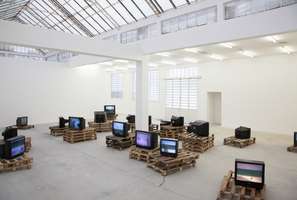
In the central space of the gallery, the artist is showing his Banderas Rotas installation, which introduces the exhibition and gives it its title: a wall of old television sets stacked up on industrial pallets forms an imaginary barricade, with each set showing a video shot by the artist on makeshift equipment, showing one or more flags hoisted high over the landscape, but visibly damaged or thrashed by the wind. The artist views flags as bearers of nationalistic ideals, and symbols of a materialism that has been taken to its absolute extremes. Flags establish geographies and territories on Earth, but when hoisted on poles, they free themselves of their gravity: they are brought to life but, at the same time, they are altered. The artist portrays them in a paradoxical limbo between their representational function and their at least theoretical function as symbols of a shaken or even decayed freedom.
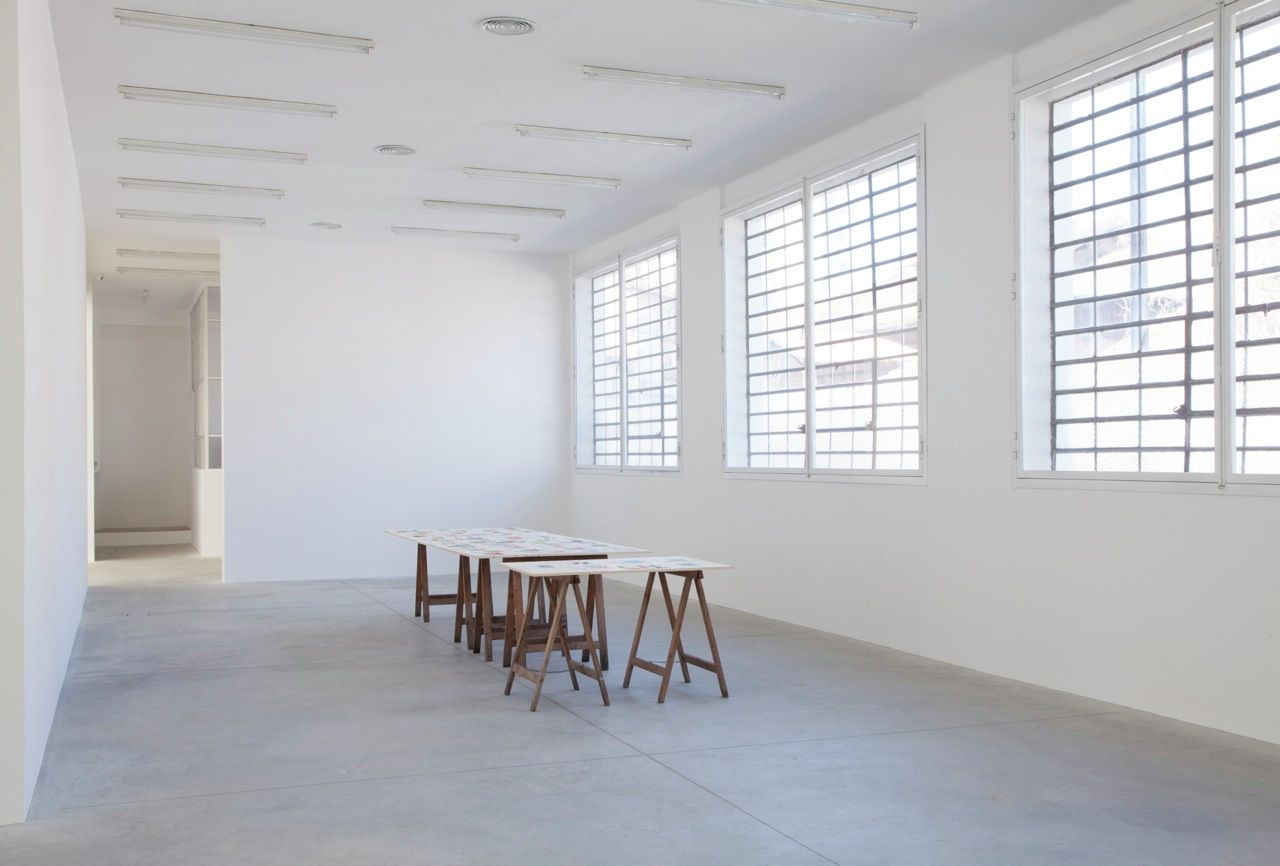
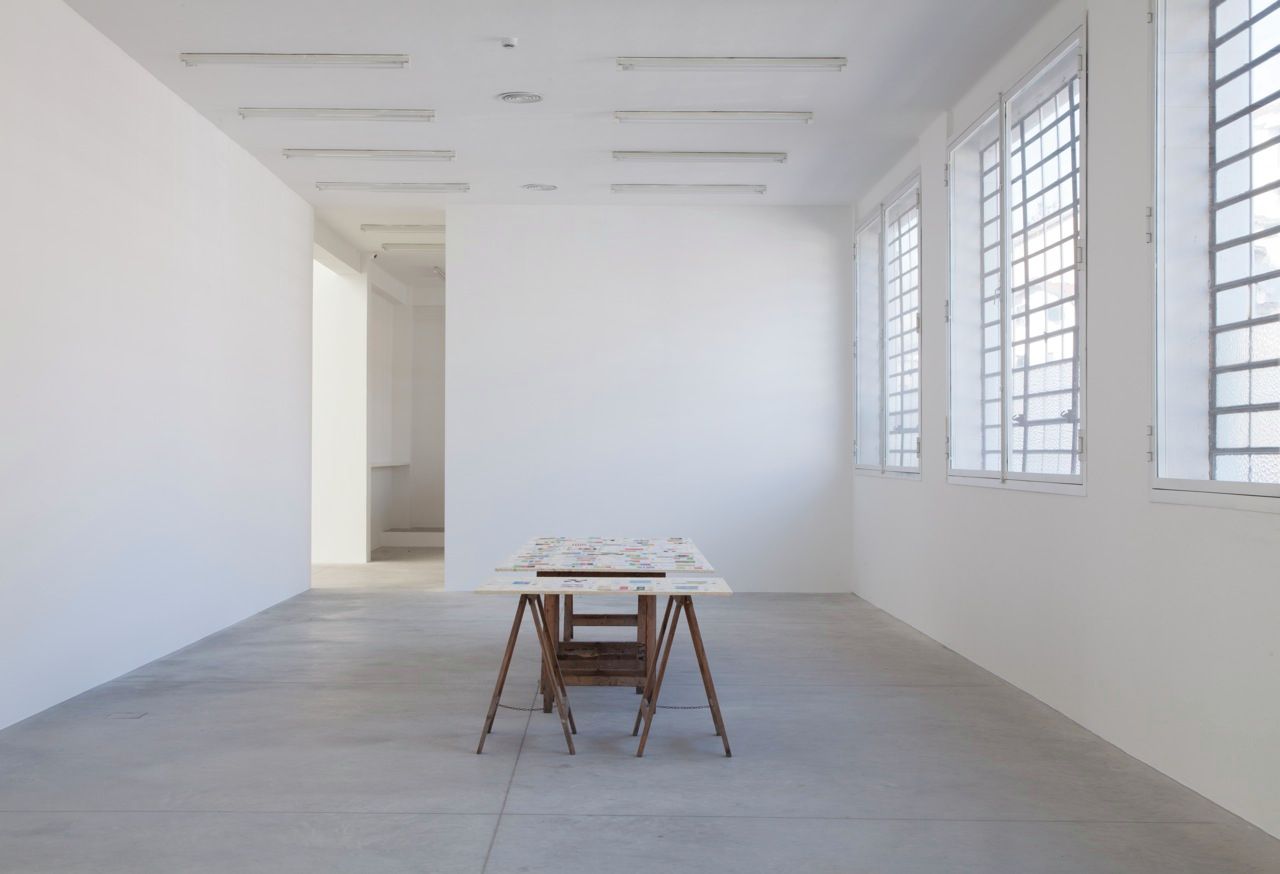
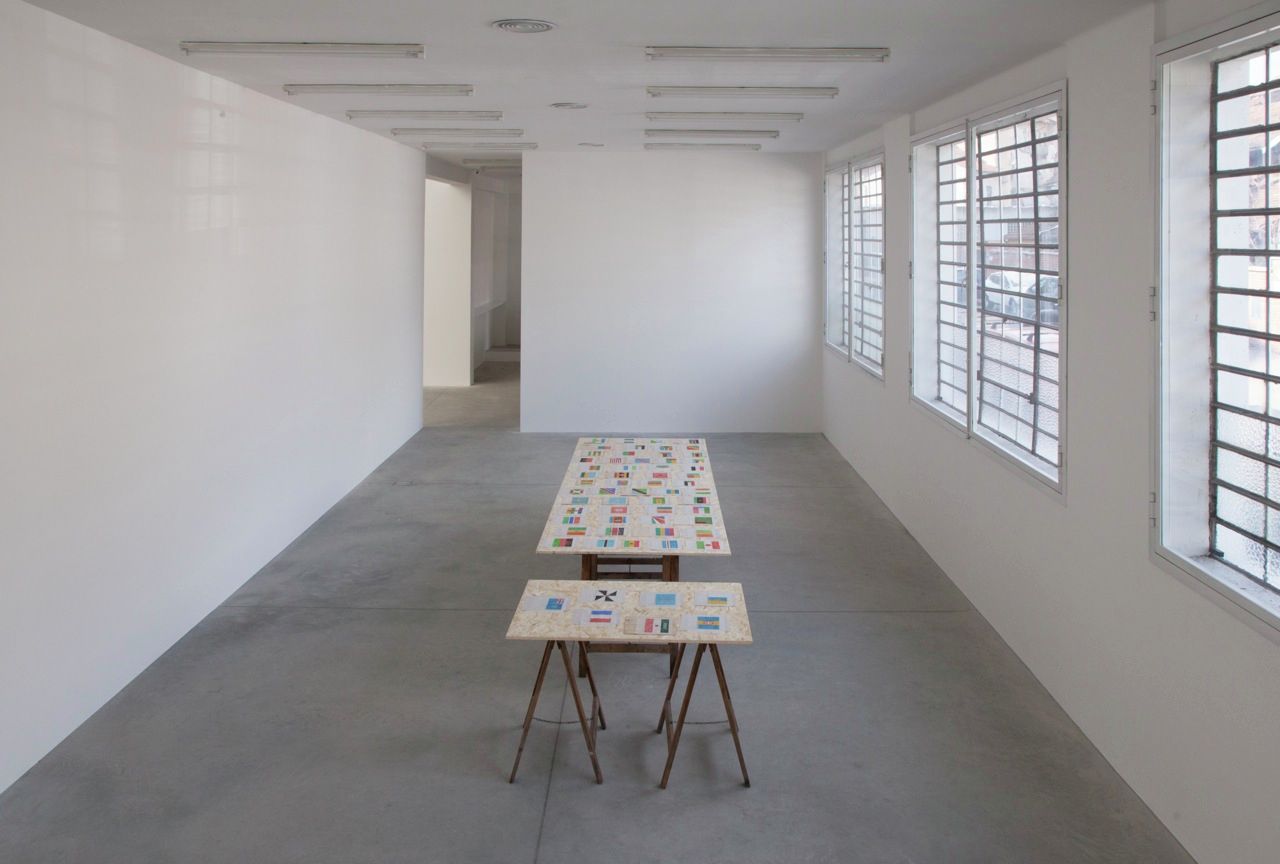
Like Banderas Rotas, also his Drawings of African Flags consists of flags, in this case in the form of drawings on tracing paper showing flags of the 62 nations that form the African continent. The artist adopts the colours, shapes and symbols that represent each of the peoples and political systems on the continent and consigns them to paper in rapid, simplified motions. The colour, which is applied using crayons, illustrates the artistʼs manual, almost childlike approach and his provocative simplification of complex symbols. The African continent is thus shown as a continent “for sale”, reduced to its basic territorial simplifications and reconstructed as a colourful jig-saw puzzle.
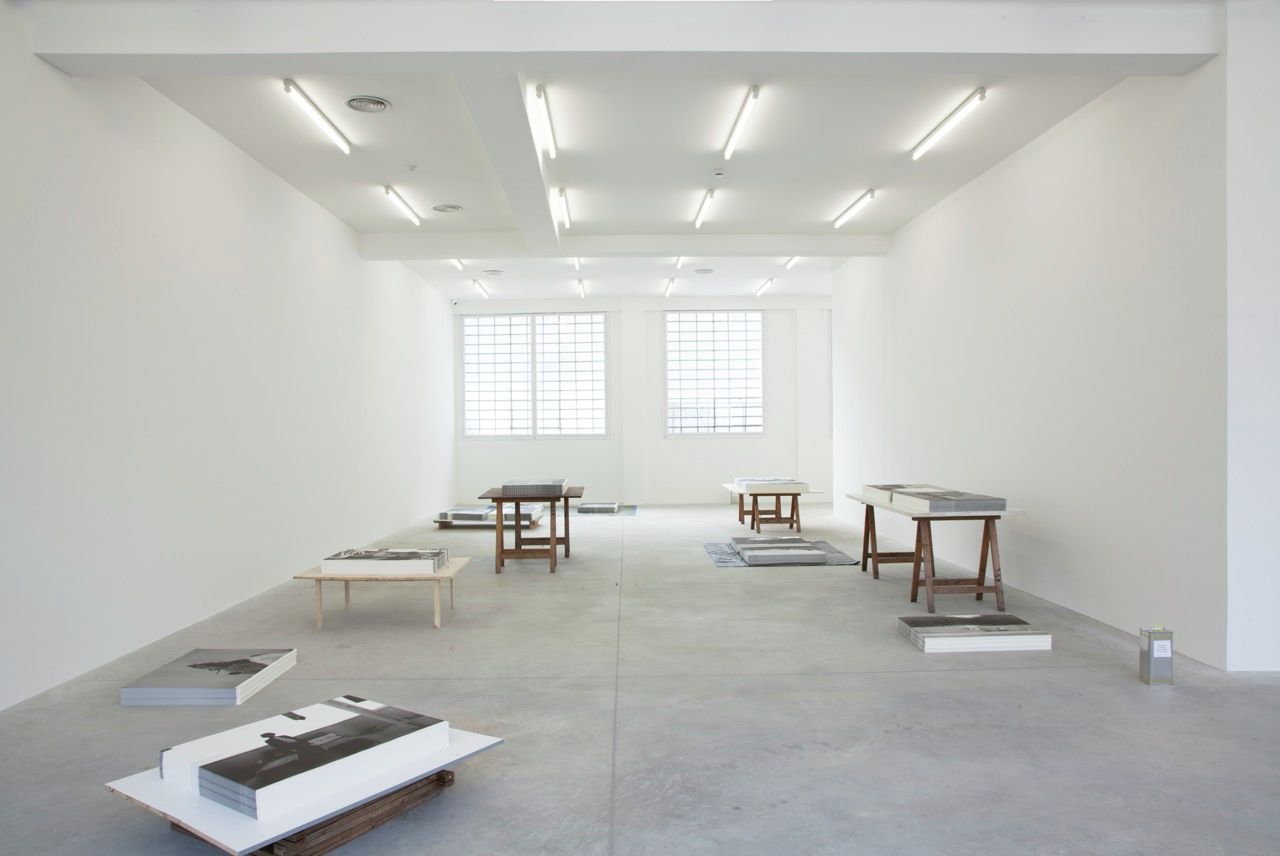
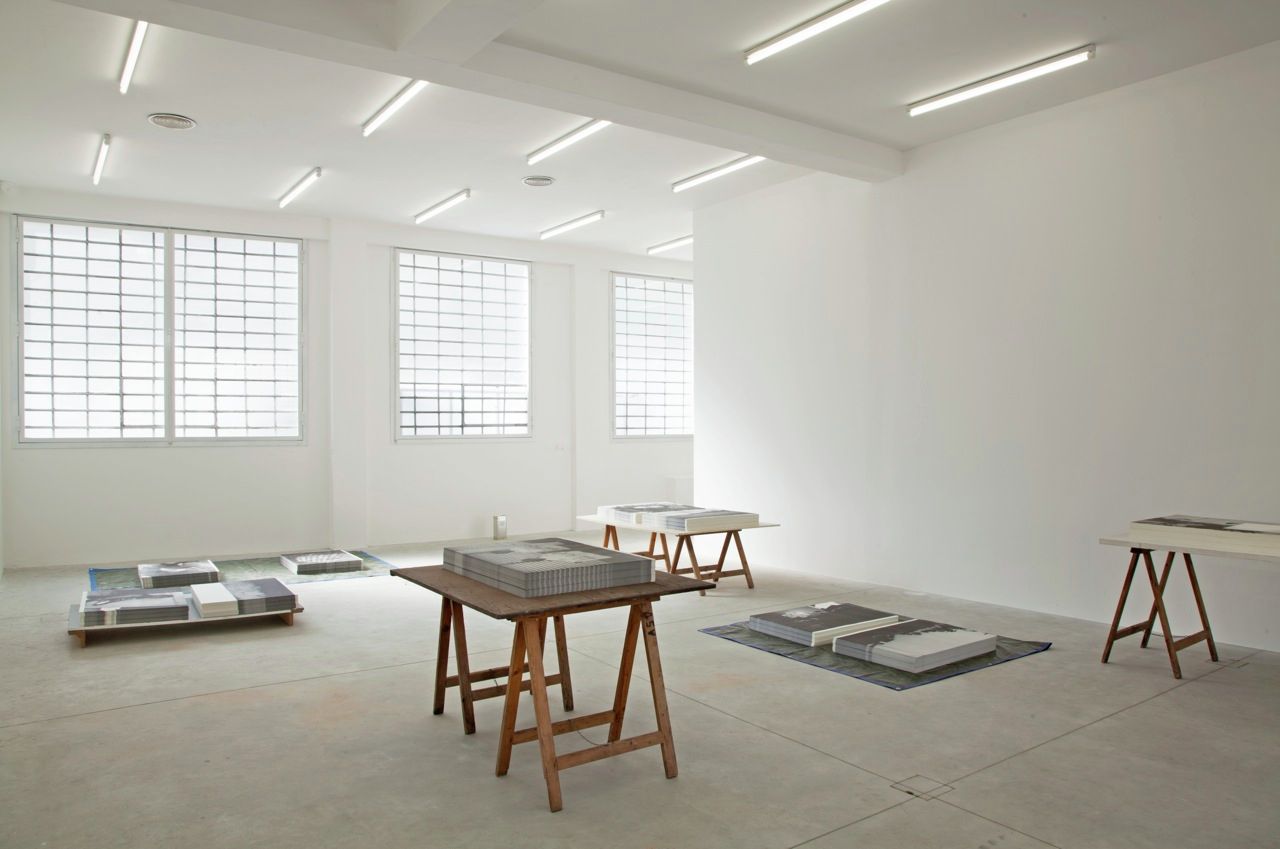
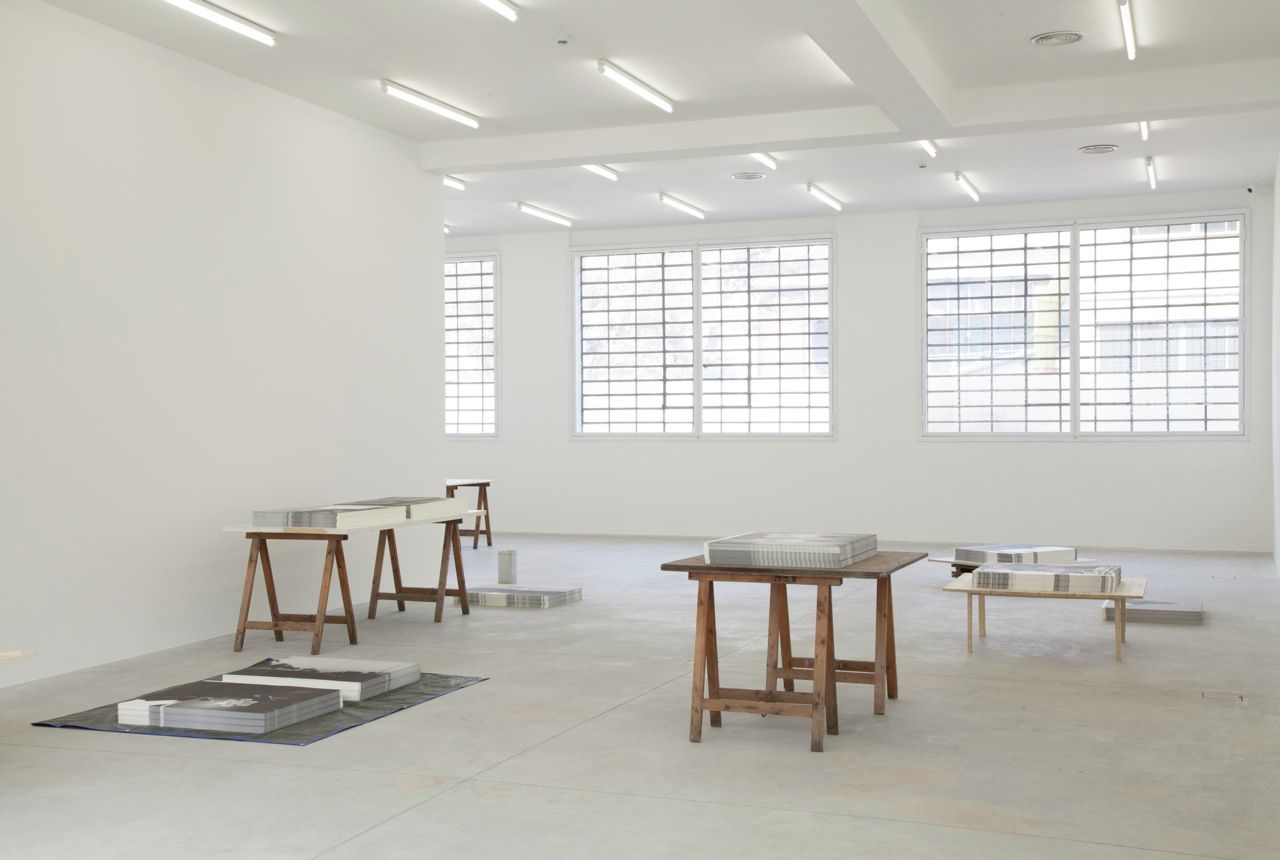
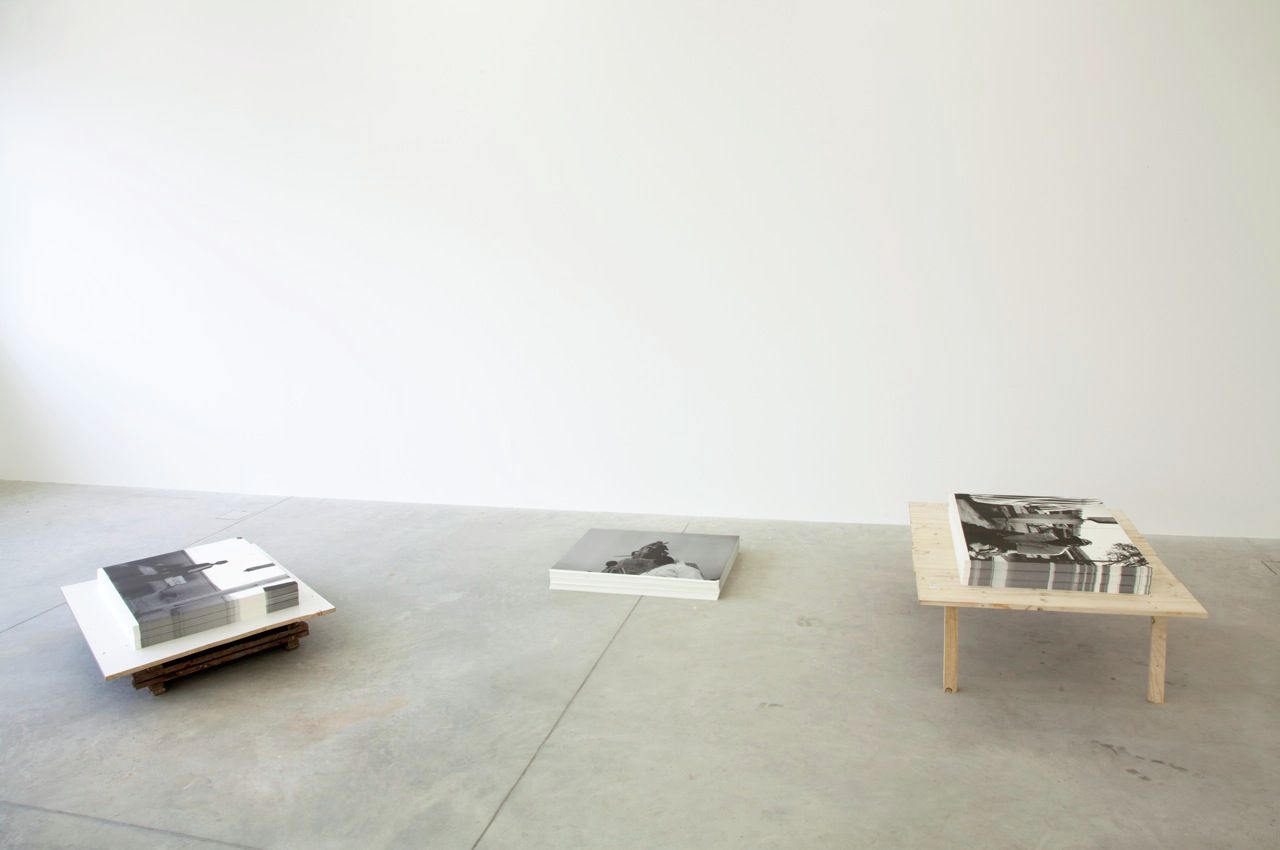
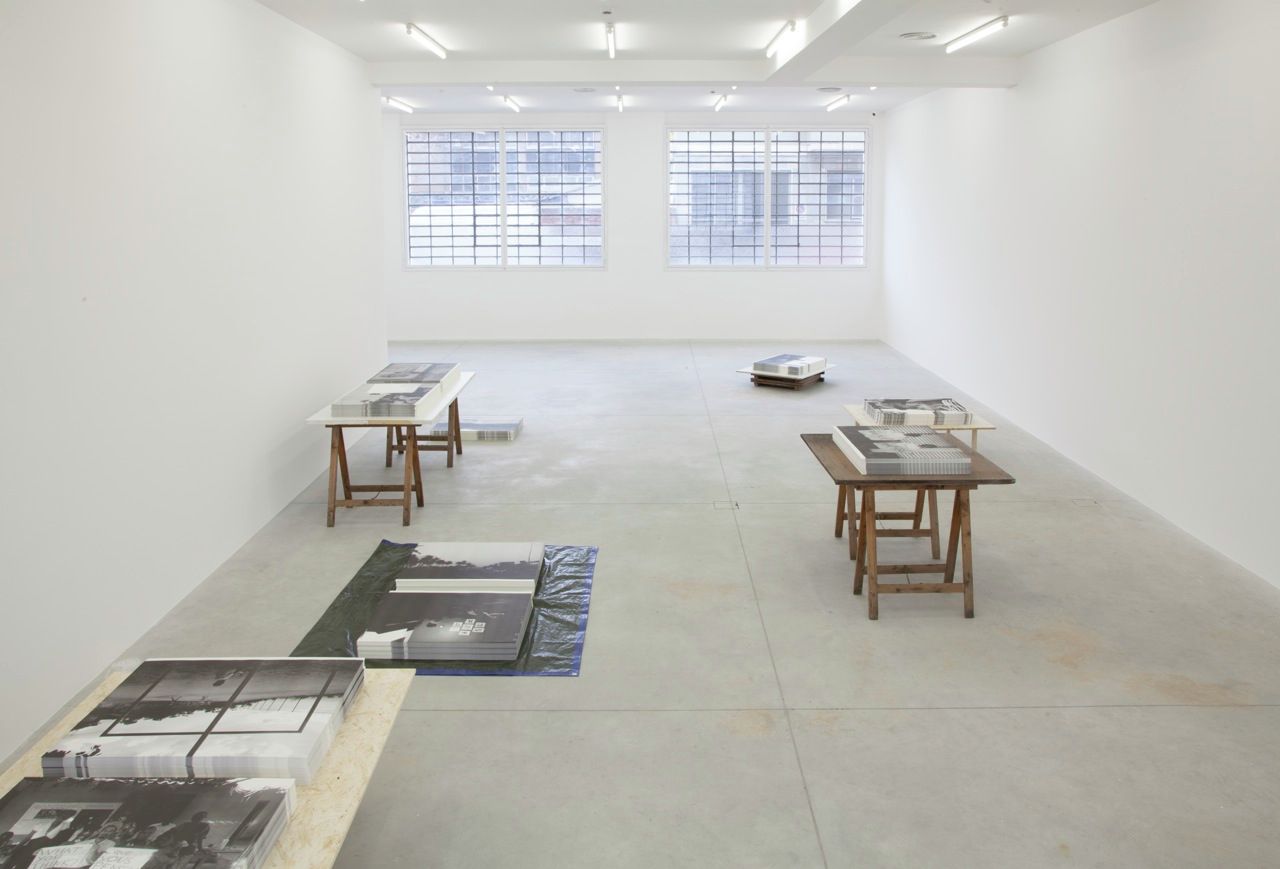
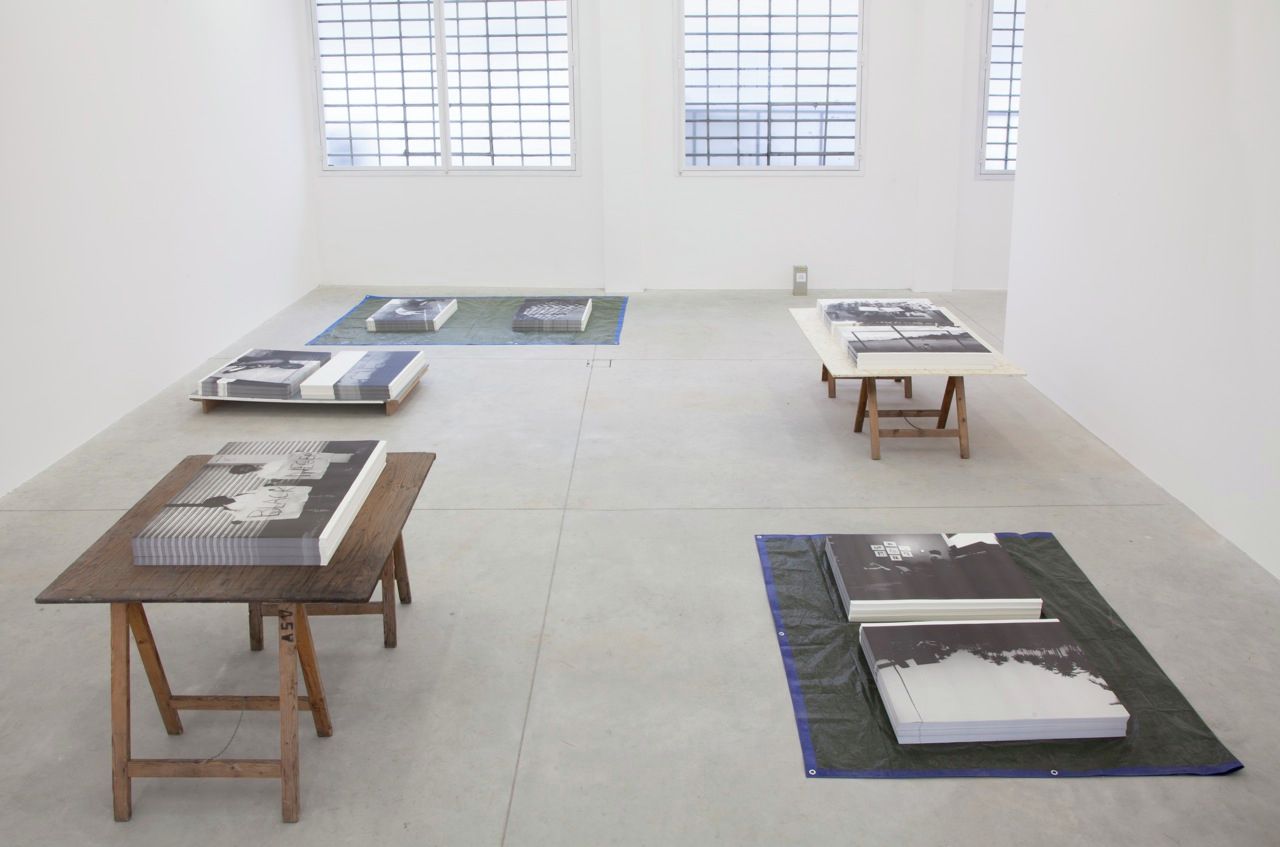
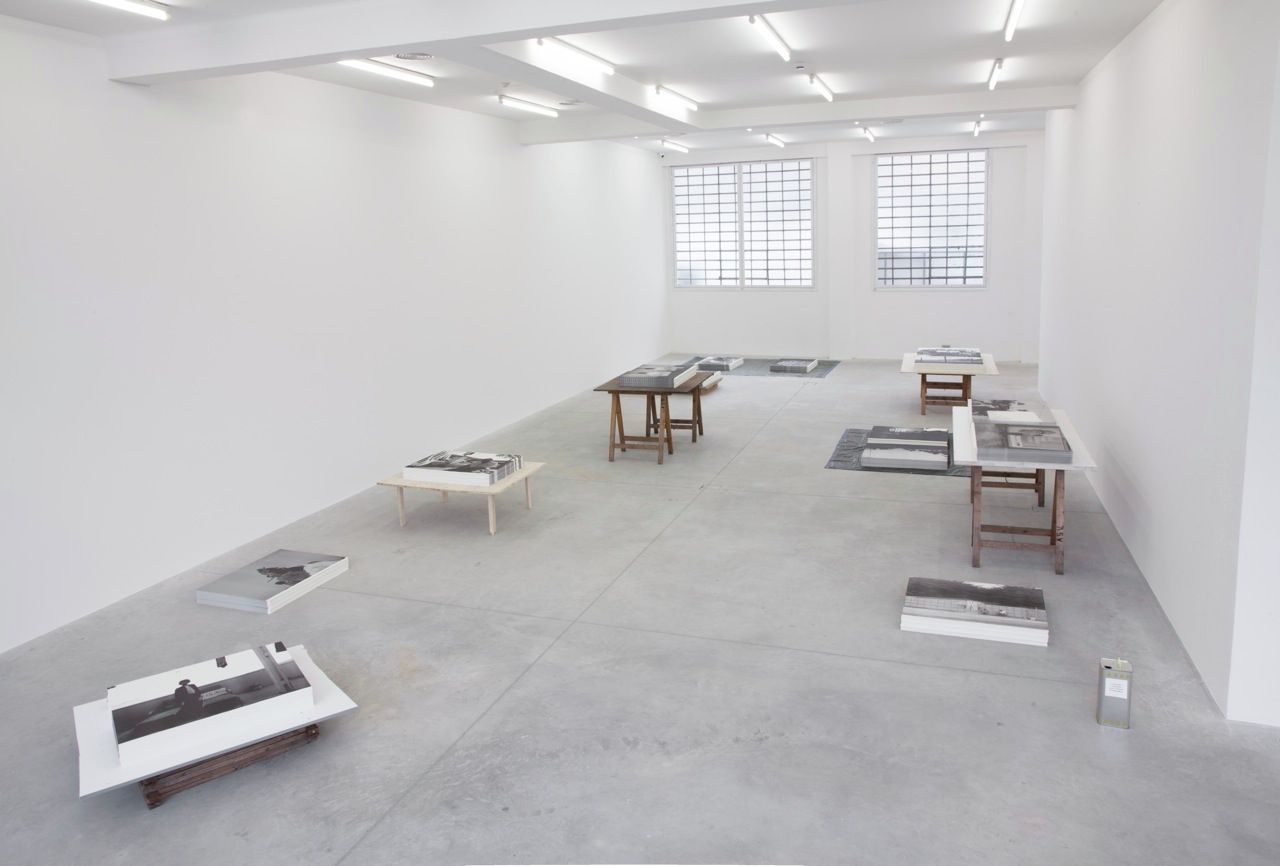
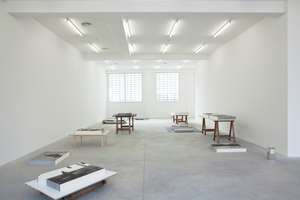
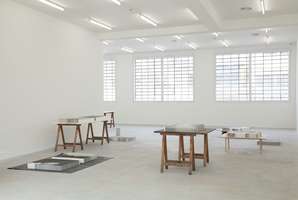
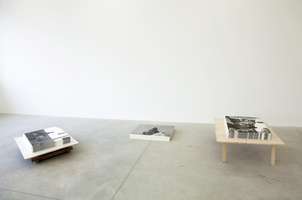
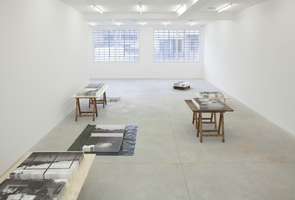
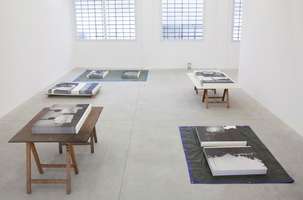
Also Cadernos de Africa is inspired by the same continent. Taken in different parts of Africa and South America, and piled up on makeshift tables, the selection of photographs examines the theme of diversity in scenes from everyday life and performative acts by the artist. 1000 prints, which are intentionally filtered in black and white and made in an unlimited edition, are made accessible to anyone here in order to make them known, and so that the simple but fundamental message they bring with them can circulate far and wide.